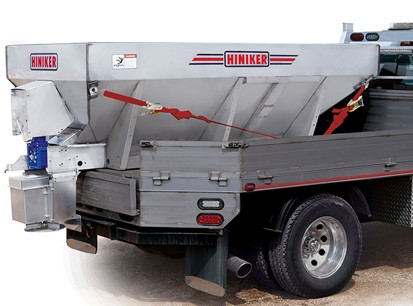
A reliable sand spreader becomes essential when winter temperatures drop too low for salt to work as intended. In extreme cold, traction matters more than melting power. At Hiniker, we design ice control equipment to help operators maintain safer surfaces. Especially when conditions limit traditional ice-melting solutions.
Why Cold Temperatures Change Ice Control Strategy
Salt is effective only within a certain temperature range. Once temperatures fall below that threshold, melting slows and refreezing becomes more likely. We have been designing snow and ice equipment since 1995, and we understand how winter extremes force operators to adjust their approach.
When melting is limited, traction becomes a priority. Applying abrasive material helps vehicles and pedestrians maintain control, even when ice remains present. Continue reading to find out more about why sand application is very important when inclement weather affects our roadways.
Understanding Traction-Based Ice Control
Traction-based ice control focuses on improving grip rather than melting ice. A properly designed sand spreader applies material evenly across icy surfaces, reducing slip risk immediately. This approach is especially useful during prolonged cold snaps or overnight freezes.
Many operations rely heavily on salt spreaders early in the season, then transition to traction-based methods as temperatures drop. Understanding when to shift strategies helps crews maintain safety without wasting material or time.
Our Approach to Cold-Weather Equipment Design
Our design process starts with real winter conditions. Cold weather affects material flow, equipment components, and operator efficiency. We design equipment to perform reliably when temperatures challenge standard systems.
Our focus includes:
- Consistent material delivery in freezing conditions
- Durable components that handle abrasive materials
- Simple controls for quick adjustments
- Mounting options that support vehicle stability
Safety and long-term performance guide every design decision. Our equipment is built to support operators working through long, cold winter shifts.
Benefits of Using Sand for Traction
Traction-based material offers immediate safety improvements when melting agents lose effectiveness. Using the right equipment helps maximize those benefits.
Key benefits include:
- Immediate traction on icy surfaces
- Reduced slip-and-fall risk
- Improved vehicle control
- Less dependence on temperature-sensitive materials
- Consistent performance during extreme cold
A dependable sand spreader helps crews respond quickly when conditions demand traction instead of melting.
Industries We Serve and Real-World Experience
Our ice control equipment supports commercial property managers, municipalities, agricultural operations, and industrial facilities. Each environment faces different challenges during extreme cold.
Some fleets combine traction tools with a traditional salter to adapt throughout a storm. Others rely on flexible mounting options like a receiver hitch spreader to move equipment between vehicles.
Smaller sites may use tailgate spreaders or tailgate sanders to maintain traction without overloading vehicles. No matter the size of the vehicle, our team at Hiniker provides some of the best options for ice/snow treatment and removal.
This real-world feedback shapes designs that perform consistently in harsh winter environments.
Why Choose Hiniker?
We bring decades of experience to snow and ice management equipment. Since expanding into snow removal manufacturing in 1995, we have focused on building purpose-driven designs that perform when conditions are most challenging.
Customers choose us because we offer:
- Proven experience in winter equipment manufacturing
- Equipment designed for extreme cold performance
- Solutions trusted by professionals nationwide
- Strong dealer support and product availability
Our reputation is built on practical innovation and dependable winter performance.
FAQs About Traction-Based Ice Control
When should traction materials be used instead of salt?
Traction materials are most effective when temperatures drop too low for melting agents to work efficiently or when immediate grip is needed.
Can traction and melting methods be combined?
Yes. Many operations use both approaches depending on temperature and surface conditions. Some rely on salt spreaders when conditions allow, then switch to traction-focused methods during deep freezes.
Does sand damage surfaces?
When applied properly, sand improves safety without damaging surfaces. Cleanup planning helps manage residue after winter ends.
Improving Safety When Salt Falls Short
Extreme cold requires a shift in strategy. When melting slows, traction becomes a priority. Choosing the right sand spreader helps operators maintain control, reduce risk, and keep sites safer throughout the coldest winter conditions.
It’s important to invest in quality equipment to ensure the safest possible road conditions for drivers. Choosing inconsistent and unreliable equipment can put your crews and other motorists in serious jeopardy.
Are you looking for premium snow removal equipment and accessories? Contact our team at Hiniker today!

Hiniker has been a proud Minnesota-based manufacturer since 1995. We offer the highest quality salt & sand spreaders, snow plows, skid steers, truck plows, accessories, and more! Our equipment at Hiniker is built to enable the operator to work as efficiently as possible.
Contact us today by calling (800) 433-5620 to find out more about the premium snow removal products we offer. You can also follow us on Facebook for the latest news regarding Hiniker’s premium equipment and accessories.