Pickup trucks are the backbone of most snow operations. They are versatile, mobile, and available in almost every fleet size. But a pickup alone does not plow snow effectively. The setup around it determines how well it performs once the storm starts.
Snow plowing with a pickup truck is about balance. Weight. Traction. Power. And the equipment mounted to the front and rear of the vehicle.
That is why choosing the right truck plows matter as much as choosing the truck itself.
Pickup trucks need purpose-built plows
Not every snow plow works on a pickup. Truck plows are designed to match the size, weight limits, and handling characteristics of pickup trucks.
A plow that is too heavy stresses the front suspension. One that is too light struggles in deeper or wetter snow.
Truck plows are engineered to strike that balance. They provide enough cutting pressure to move snow efficiently without overwhelming the vehicle.
This is especially important for pickups that operate on mixed routes with varying surface conditions.
Vehicle configuration comes before plow choice
Before selecting a plow, the truck itself needs to be considered.
Engine power affects how well snow is pushed under load. Suspension capacity determines how much weight the front end can handle. Electrical systems must support repeated plow movement and lighting.
Four-wheel drive matters, but it is not the only factor. Weight distribution and tire selection often play a larger role in traction.
A well-configured truck allows truck plows to perform consistently instead of fighting the vehicle.
Blade style affects how snow moves
Pickup trucks commonly use straight blades, but that is not the only option.
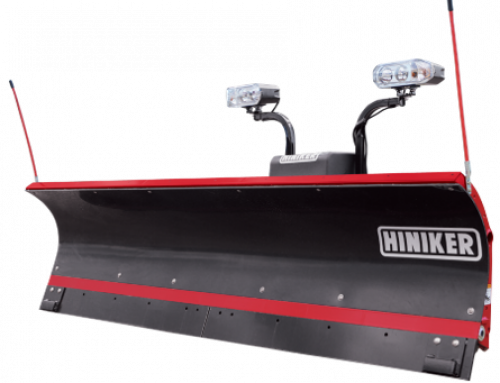
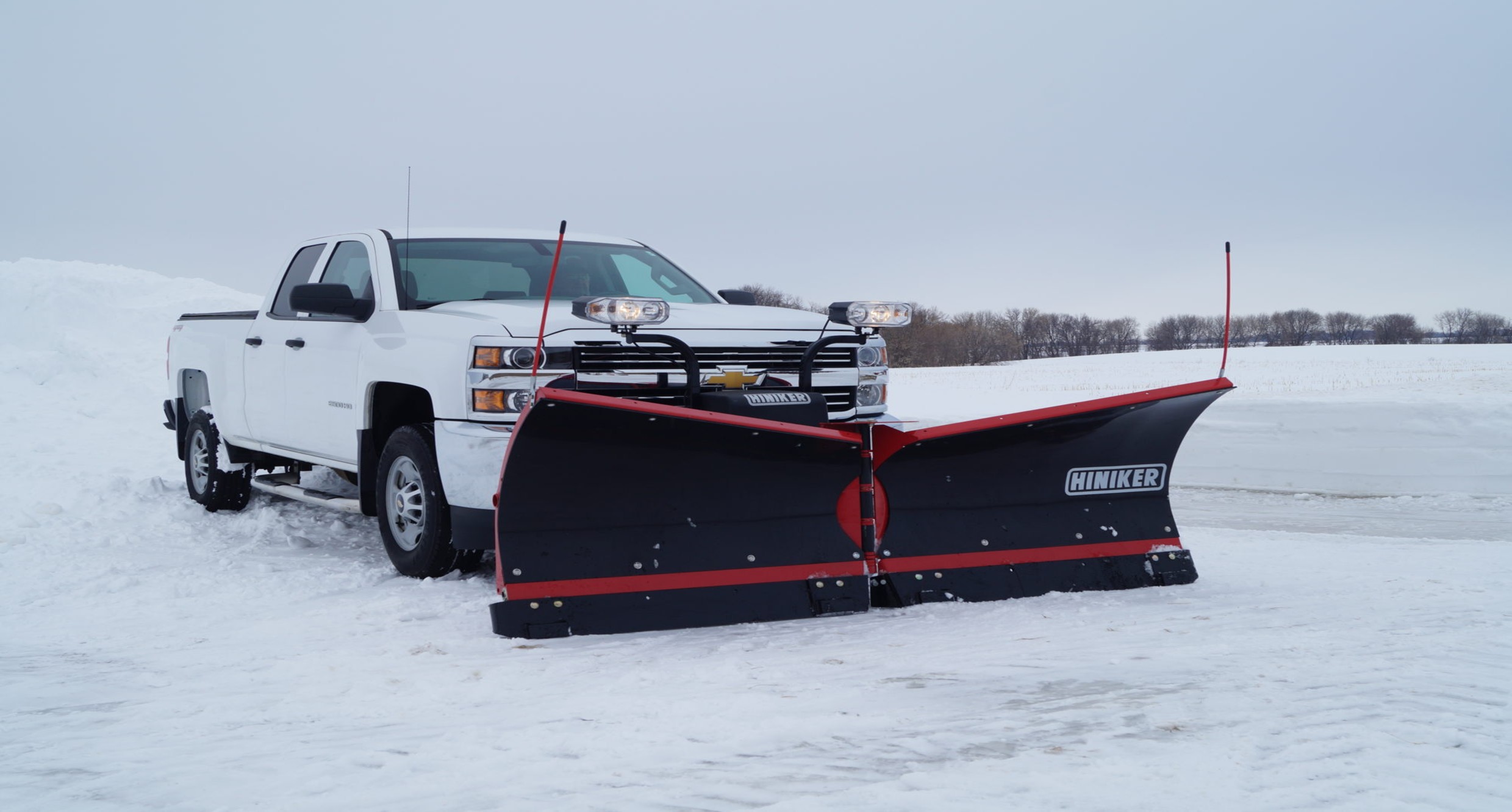
Straight blades are simple and effective for light to moderate snowfall. They roll snow forward and off to the side cleanly.
Other steel snow plows have blade styles offer different advantages. Some handle deeper snow better. Others improve control in tighter spaces.
Matching blade style to route layout improves efficiency and reduces the number of passes required.
Pickup plows must stay within weight limits
Every pickup has front axle weight limits. Ignoring those limits leads to premature wear and handling issues.
Plows designed specifically as snow plows for pickups account for these limits. They use lighter frames and optimized moldboards to reduce unnecessary weight.
That design allows the truck to maintain steering control and braking performance during plowing.
Overloading the front end is one of the most common mistakes in pickup plow setups.
Dealers help match plows to trucks
Two pickups that look identical may not support the same plow.
Trim packages, suspension options, and axle ratings vary.
This is why working with truck plow dealers simplifies the selection process. Dealers verify compatibility before equipment is installed.
That prevents expensive corrections after the season starts.
Accessories complete the setup
Plowing does not stop at the blade.
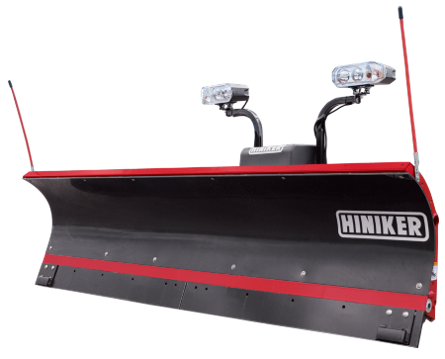
Lighting improves visibility during storms. Controllers affect how quickly the blade responds. Electrical protection keeps systems reliable in wet conditions.
A truck plow accessories dealer helps ensure these components work together instead of creating conflicts.
Accessories that are mismatched or poorly installed cause most mid-storm failures.
Pickup plows must handle varied conditions
Pickup trucks often serve mixed routes. Driveways. Small lots. Access lanes.
Snow depth and surface conditions change frequently.
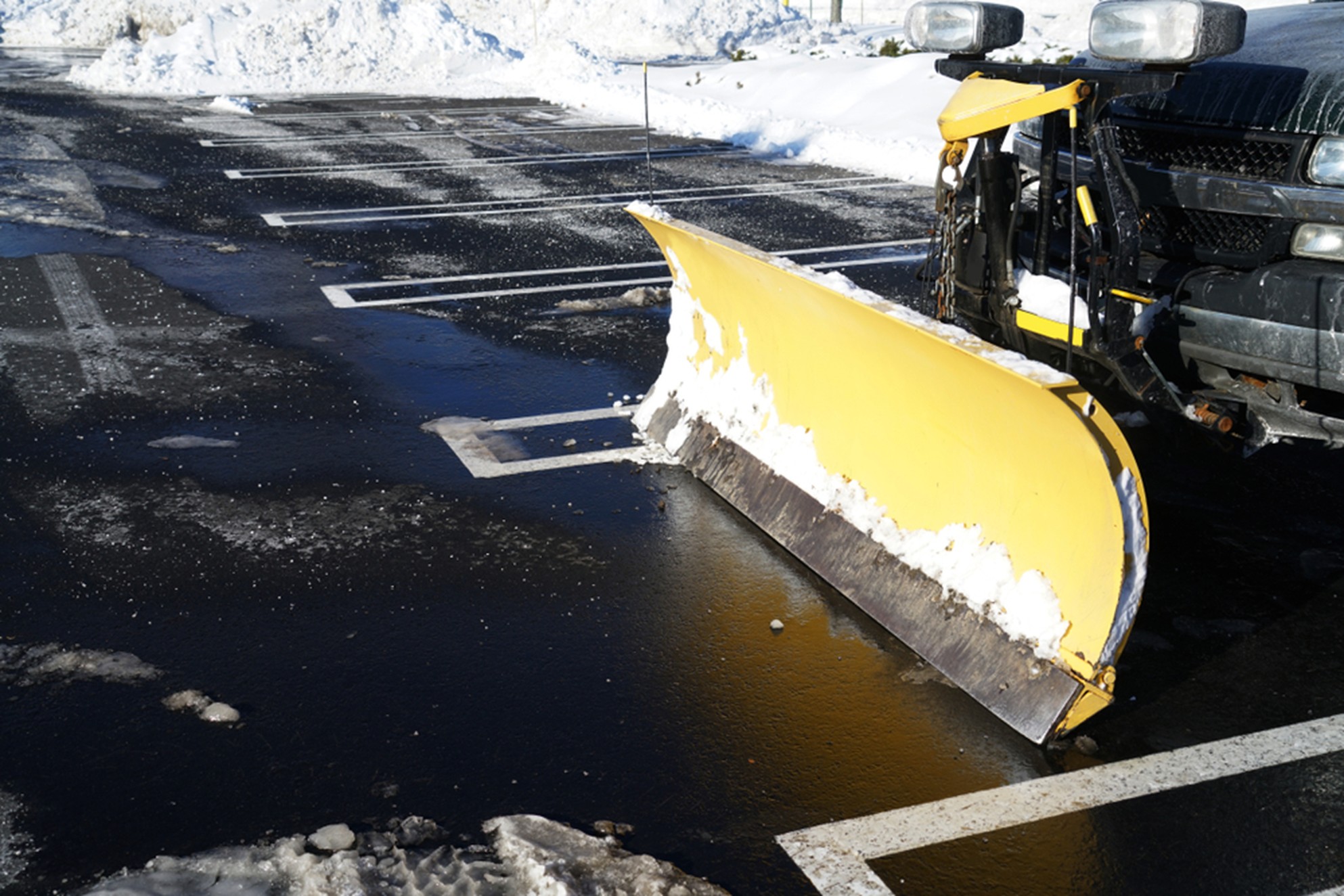
Truck plows are designed for that variability. They offer predictable handling in light snow while still managing heavier accumulation when needed.
That flexibility makes pickups effective tools for small to mid-sized operations.
Maintenance expectations differ for pickup plows
Truck plows see frequent attachment and removal. They are often stored between storms.
This increases exposure to corrosion and electrical issues.
Regular cleaning and inspection extend equipment life. Plows designed for pickups typically emphasize durability in these areas.
Understanding maintenance needs helps avoid downtime during peak season.
What pickup plows are not meant to do
Pickup plows are not designed for highway-scale clearing or massive open lots.
They excel in maneuverability and accessibility, not raw volume.
Trying to use a pickup plow where a larger platform is needed leads to inefficiency and wear.
Knowing the limits of truck plows keeps operations efficient.
Why setup matters more than brand
A good truck plow accessories dealer knows that brand recognition does not guarantee performance.
Proper setup does.
A well-matched plow on a properly configured truck outperforms a premium plow installed on the wrong vehicle.
That setup includes weight balance, electrical integration, and operator familiarity.
The best pickup plow setup is predictable
Snow removal rewards predictability.
The best setups behave the same way storm after storm. They respond consistently. They do not surprise the operator.
That reliability comes from choosing equipment designed for pickup trucks and setting it up correctly from the start.
FAQ
What is the best plow for a pickup truck?
One designed specifically for pickup weight limits and use patterns.
Do all pickups support the same plows?
No. Axle ratings and suspension options vary.
Are accessories really necessary?
Yes. Lighting and controls improve safety and efficiency.
Should a dealer help choose a pickup plow?
Yes. Compatibility issues are easier to prevent than fix.
Can pickup plows handle heavy snow?
Within limits, yes. Blade choice and setup matter.

Reach out to us online at Hiniker or contact us today by calling (800) 433-5620 to find out more about the premium snow removal products we offer.
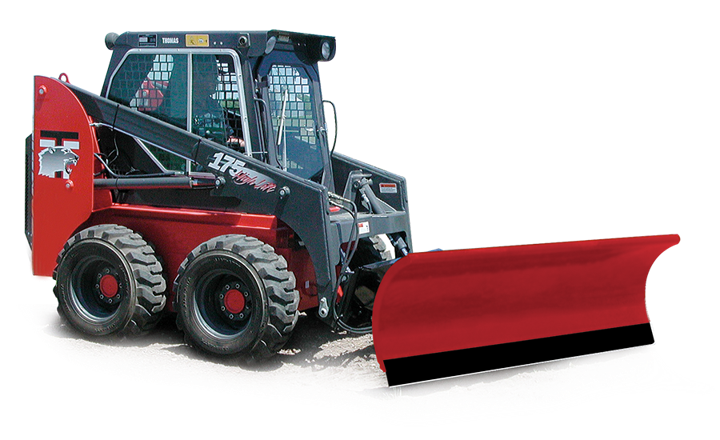
We have been a proud Minnesota-based manufacturer since 1995. We offer the highest quality salt & sand spreaders, snow plows, skid steers, truck plows, accessories, and more!
Our equipment at Hiniker is built to enable the operator to work as efficiently as possible.
You can also follow us on Facebook for the latest news regarding Hiniker’s premium equipment and accessories.