Snow does not fall the same way every time. Sometimes it is light and dry. Sometimes it is wet and heavy. Sometimes it drifts overnight and packs down before anyone touches it.
That variability is why choosing the right snow plows matters more than people expect. A plow that works well in one condition can struggle badly in another.
There is no single “best” type of snow plows. There are only plows that are better suited to specific conditions, surfaces, and layouts.
Understanding those differences prevents frustration once the storm actually hits.
Snow conditions shape plow performance
Snow behaves differently depending on temperature, wind, and traffic.
Dry snow moves easily and rolls off blades cleanly. Wet snow sticks, piles up, and strains equipment. Packed snow resists cutting and often requires multiple passes.
The right plow choice depends on how often each of these conditions shows up.
Operators who deal with a wide range of conditions often rely on versatility rather than specialization.
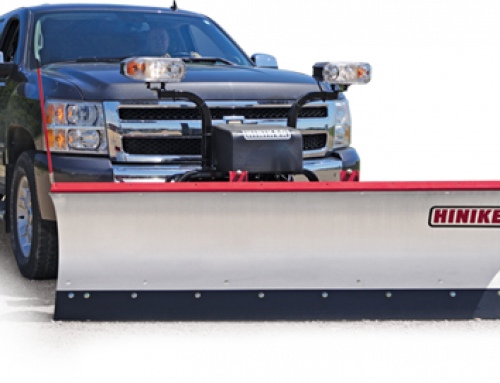
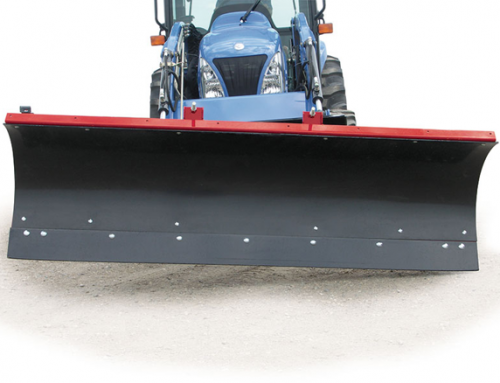
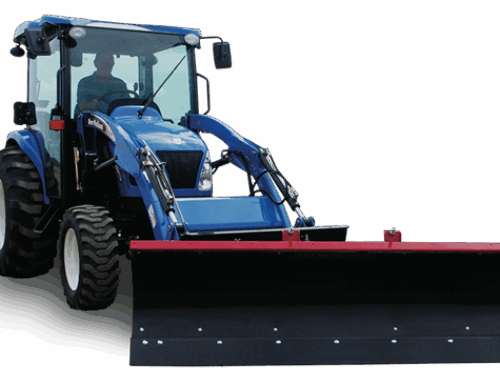
Straight blades handle simple conditions well
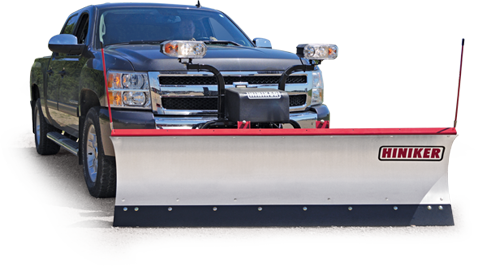
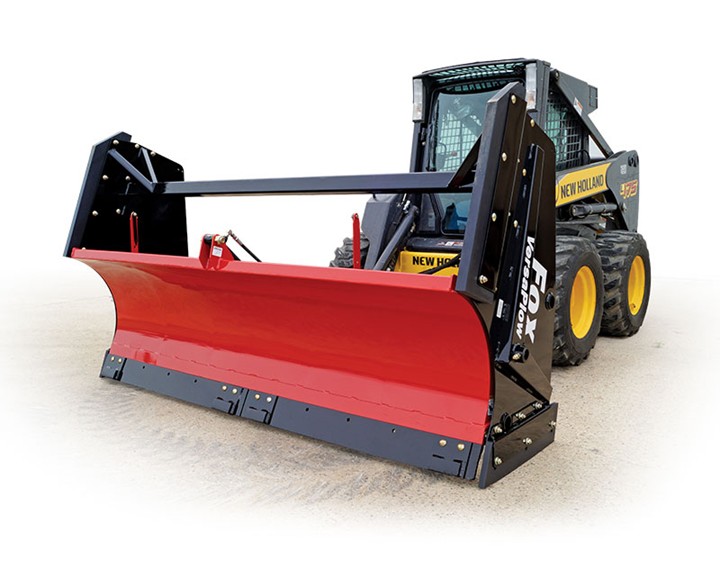
Straight blades are the most familiar plow design.
They are effective for light to moderate snowfall and straightforward clearing. They push snow forward efficiently and work well on drive lanes and smaller lots.
Their simplicity is also their limitation. When snow gets deeper or heavier, straight blades can struggle to contain material.
They also offer less control in tight or irregular spaces.
Blade design affects cutting ability
Not all blades perform the same, even when they look similar.
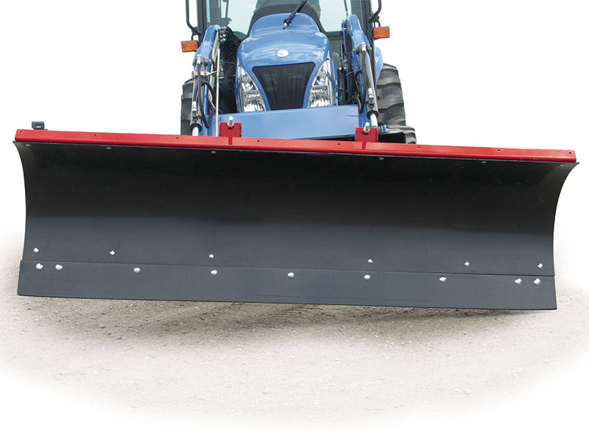
The cutting edge and moldboard shape influence how snow rolls and releases. That is why snow plow blades are designed differently depending on intended use.
Sharper cutting edges help break through packed snow. Curved moldboards help roll snow more efficiently.
Matching blade design to conditions improves performance without increasing strain on the vehicle.
V-plows add flexibility in changing conditions
When snow depth varies across a site, flexibility becomes important.
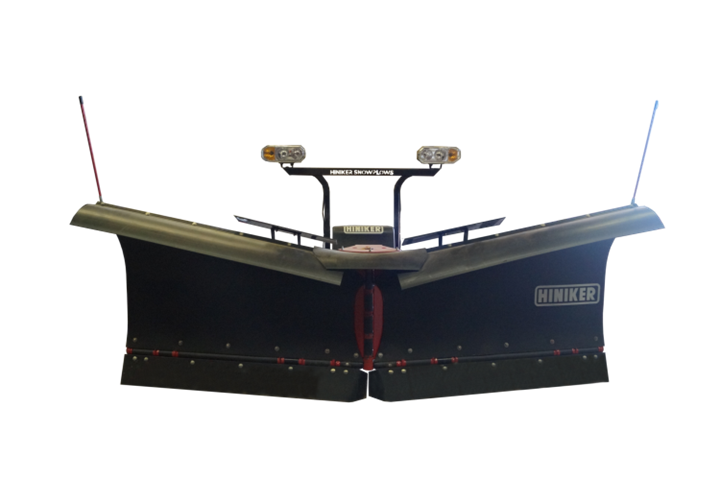
A V-plow can be configured to break through deep snow, scoop material, or windrow efficiently.
This adaptability makes V-plows useful in mixed conditions where accumulation is uneven.
They are often chosen by operators who encounter drifting snow or heavy buildup at entrances and intersections.
Steel plows handle heavier workloads
Material matters.
Steel blades are heavier and more durable than lighter alternatives. They handle abrasive surfaces and heavy snow more consistently.
Steel snow plows are often used in commercial or municipal settings where plows see repeated use and tough conditions.
The added weight increases cutting pressure but also requires proper vehicle support to avoid wear issues.
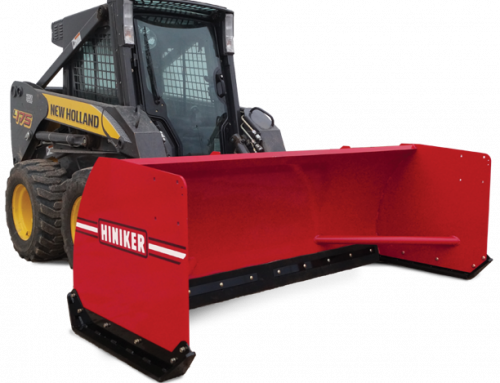
Pull-behind plows suit open spaces
Large, open areas change how snow is moved.
Instead of repeated forward passes, pulling snow behind the vehicle can be more efficient.
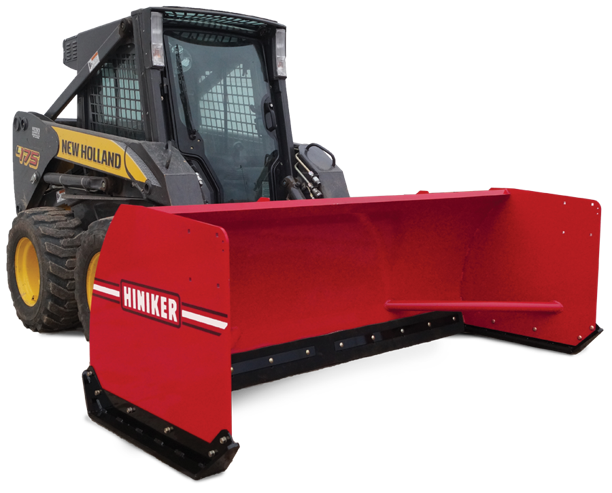
Pull behind snow plows are designed for wide-open lots where maneuverability is less critical.
They allow operators to clear large areas quickly but require planning for snow placement and turning space.
Back dragging addresses finish work
Forward plowing leaves snow in front of buildings, docks, and garage doors.
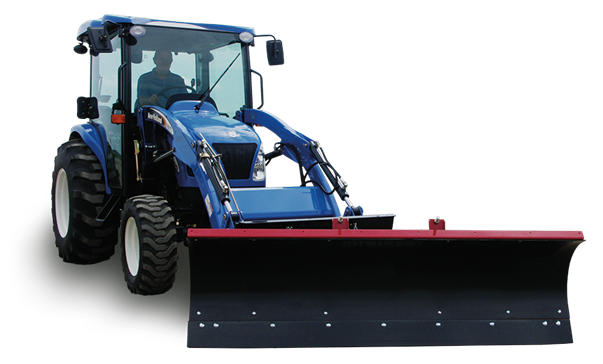
Back dragging solves that problem by pulling snow away from structures.
A back drag plow improves cleanup quality and reduces manual labor.
It is especially useful in commercial settings where appearance and access matter.
No plow works alone
Plows are part of a system.
Vehicle weight, traction, and electrical capacity all affect how a plow performs. Poor matchups reduce effectiveness regardless of blade type.
This is why working with a snow plow dealer matters. Dealers help evaluate the full setup instead of focusing on a single component.
That systems approach prevents underperforming equipment.
Surface type influences plow choice
Asphalt, concrete, gravel, and uneven surfaces all affect how plows behave.
Cutting edges that work well on pavement may dig into gravel. Heavier blades may damage softer surfaces.
Understanding surface conditions helps narrow plow options quickly.
Ignoring surface type leads to unnecessary wear and surface damage.
Versatility often beats specialization
Operators who encounter multiple snow conditions often benefit from adaptable equipment.
Snow plows that adjust angle, attack, or configuration handle variability better than fixed designs.
While specialized plows excel in specific conditions, versatile plows reduce the need for multiple attachments.
What “best” really means in snow plowing
The best snow plows are not the largest or the most expensive.
It is the one that matches conditions, surfaces, and vehicle capabilities consistently.
That match reduces strain, improves clearing speed, and extends equipment life.
Why choosing early matters
Changing plows mid-season is costly and disruptive.
Choosing the right snow plows upfront avoids rushed decisions during storms.
That preparation leads to smoother operations and fewer surprises.
FAQ
What type of snow plow is best for heavy snow?
V-plows and steel plows handle heavy accumulation more effectively.
Are straight blades still useful?
Yes. They work well in lighter, consistent snowfall.
When are pull-behind plows used?
In large, open areas where wide passes are efficient.
Why does blade material matter?
Material affects durability, cutting pressure, and wear resistance.
Should a dealer help choose a plow?
Yes. Dealers match plows to vehicles, conditions, and surfaces.

Reach out to us online at Hiniker or contact us today by calling (800) 433-5620 to find out more about the premium snow removal products we offer.
We have been a proud Minnesota-based manufacturer since 1995. We offer the highest quality salt & sand spreaders, snow plows, skid steers, truck plows, accessories, and more!
Our equipment at Hiniker is built to enable the operator to work as efficiently as possible.
You can also follow us on Facebook for the latest news regarding Hiniker’s premium equipment and accessories.