Plowing snow looks straightforward until you are responsible for keeping surfaces open during an actual storm. Snow depth changes. Temperatures swing. Traffic compacts snow into ice faster than expected.
Effective snow plowing is less about having a blade on a truck and more about having the right combination of equipment working together.
That is why many operators start with looking at snow plow parts rather than a single piece of equipment. Dealers help build systems, not just sell parts. There is no single “best” snow plow. There are only plows that are better suited to specific conditions, surfaces, and layouts.
Understanding those differences prevents frustration once the storm actually hits.
Snow plowing starts with the plow, but does not end there
The plow is the most visible piece of snow equipment. It clears accumulation and opens access quickly.
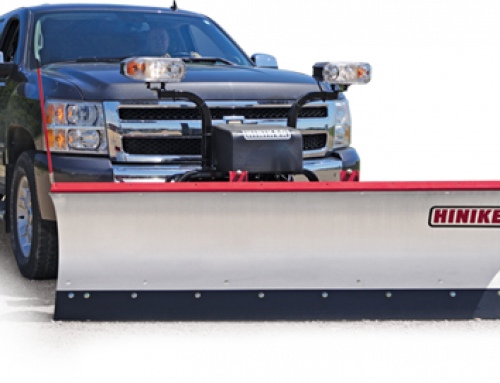
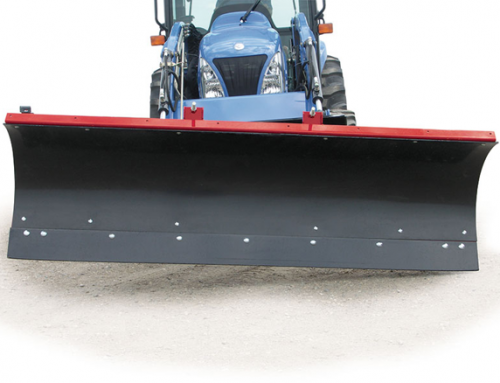
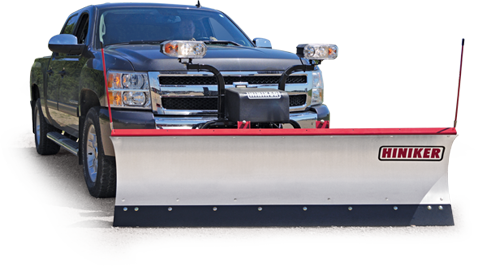
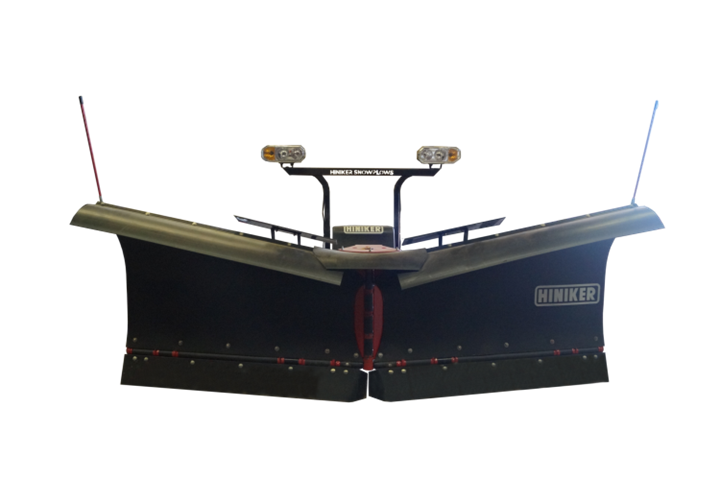
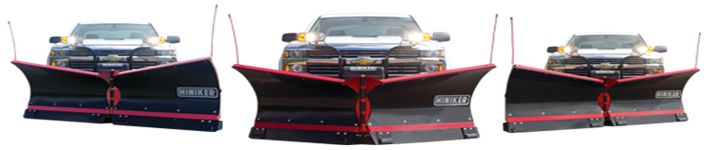
But plows vary widely in design and purpose. Straight blades, V-plows, and pushers all behave differently depending on surface conditions and layout.
A one-size-fits-all approach often leads to inefficiency. The wrong plow style can increase cleanup time and leave problem areas untouched.
Choosing the right snow plows for the job matters as much as the vehicle pushing them.
Blade type affects performance more than people expect
Straight blades are common and versatile. They work well for simple clearing and moderate snow depths.
V-plows add flexibility. They break through deeper snow and help control spill-off in tighter areas.
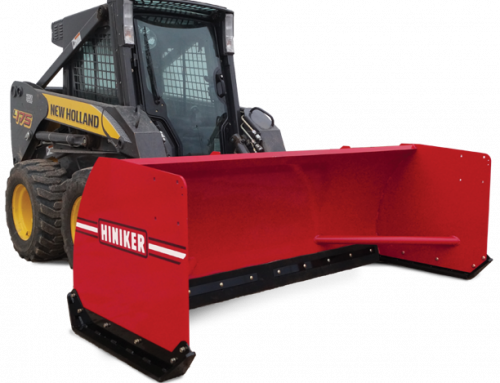
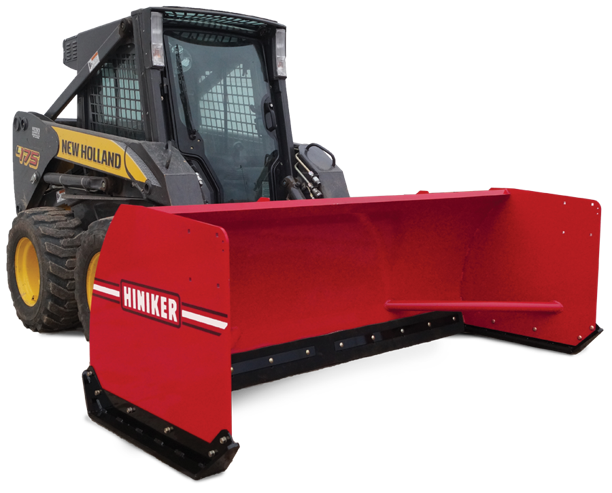
Pushers move large volumes efficiently in open lots but require enough power and space to operate effectively.
Understanding these differences helps prevent underperforming setups.
Accessories turn a plow into a system
Plowing does not happen in ideal conditions. Visibility drops. Electrical systems work harder. Equipment is exposed to moisture and cold.
This is where accessories become critical.
Lighting improves visibility. Controls affect responsiveness. Electrical components must handle repeated cycling.
Working with a snow plow accessories dealer ensures compatibility between plows, controls, and vehicles.
Poorly matched accessories often cause the most mid-storm failures.
Vehicle setup matters as much as the plow
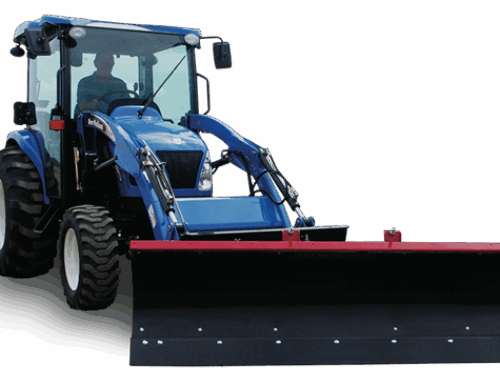
Plows do not operate independently. They rely on the vehicle’s drivetrain, suspension, and electrical system.
Weight distribution affects handling. Electrical capacity affects reliability. Drivetrain configuration affects traction.
A plow that works well on one truck may struggle on another.
Snow plow parts helps a dealer evaluate vehicle compatibility before equipment is installed. That prevents overload and premature wear.
Snow pushers serve a different purpose
Not all snow removal involves pushing snow forward.
In large, open areas, pushers move snow efficiently without repeated passes. They gather and relocate snow instead of rolling it.
A snow pusher is not a replacement for a plow. It is a complement.
Using the wrong tool for the space leads to wasted time and incomplete clearing.
Mounted pushers increase flexibility
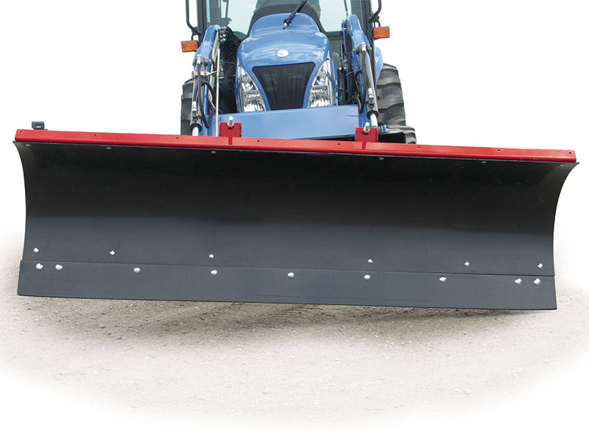
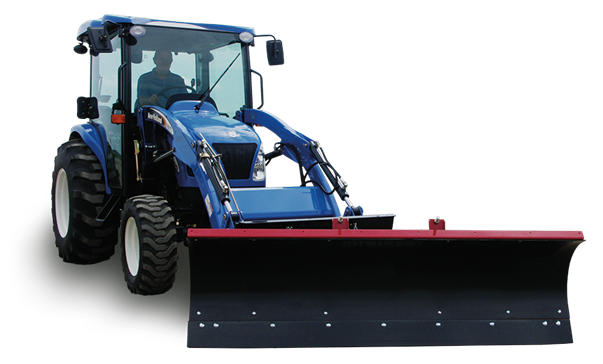
Mounted pushers attach directly to vehicles and offer more control than free-standing units.
A mounted snow pusher allows operators to switch between pushing and plowing without changing equipment.
This flexibility matters when route layouts vary or conditions change quickly.
Back dragging solves common cleanup problems
Forward plowing leaves snow in front of doors, docks, and garage openings.
Back dragging pulls snow away from these areas for cleanup.
A back drag plow is designed specifically for this task. It improves finish work and reduces manual labor.
Skipping this capability often leads to extra passes or hand shoveling.
Electronics keep systems responsive
Modern plows rely on electrical systems to function properly.
Controllers manage blade angle. Lighting improves safety. Electronics coordinate movement.
Poor electrical connections lead to delayed response or total failure during storms.
That is why a dealer pays attention to snow plow parts like wiring and compatibility during setup.
Why dealer involvement improves results
Snow plowing equipment does not fail evenly. It fails at the weakest connection.
Dealers identify those weak points early. They match equipment to vehicles, routes, and expected conditions.
This reduces downtime and improves consistency across storms.
Buying equipment without guidance often leads to incremental fixes later.
Effective plowing is about predictability
The goal of snow plowing is not just to move snow. It is to restore access quickly and consistently.
That requires equipment that behaves predictably in poor conditions.
Choosing snow plow parts or equipment as a system instead of as individual pieces improves that predictability.
What effective plowing does not rely on
Effective plowing does not rely on the largest blade or the strongest truck alone.
It relies on balance. Proper fit. Reliable components.
Understanding those priorities leads to better outcomes across the season.
FAQ
What equipment is needed to plow snow effectively?
A plow, compatible vehicle, accessories, and proper controls.
Are snow pushers better than plows?
They serve different purposes and are often used together.
Why does vehicle compatibility matter?
Improper fit affects handling, reliability, and safety.
Do accessories really matter for plowing?
Yes. Lighting and controls affect safety and efficiency.
Why work with a snow plow parts?
Dealers help match equipment to conditions and prevent setup issues.

Reach out to us online at Hiniker or contact us today by calling (800) 433-5620 to find out more about the premium snow removal products we offer.
We have been a proud Minnesota-based manufacturer since 1995. We offer the highest quality salt & sand spreaders, snow plows, skid steers, truck plows, accessories, and more!
Our equipment at Hiniker is built to enable the operator to work as efficiently as possible.
You can also follow us on Facebook for the latest news regarding Hiniker’s premium equipment and accessories.
[/fusion_text][/fusion_builder_column][/fusion_builder_row][/fusion_builder_container]