Snow pusher sounds like a simple piece of equipment when you’re comparing options online. A blade is a blade, right? That’s how a lot of contractors think before their first or second season. Then winter hits, routes stack up, and the cheaper unit starts costing more than expected.
The problem isn’t always obvious at first. A lower upfront price feels like a win. But over time, the real costs show up in breakdowns, missed time, inconsistent performance, and jobs that take longer than they should. That’s when contractors start replacing equipment earlier than planned.
Why cheap equipment doesn’t stay cheap for long
Snow pusher works under stress almost every time it’s used. You’re pushing heavy snow, hitting hidden obstacles, dealing with freezing temps, and running long hours without much downtime. That’s not light-duty work.
Lower-cost plows often cut corners in materials, weld strength, hydraulics, or electrical components. None of that shows up clearly in a product photo. It shows up during storms.
Small failures add up fast. A weak hydraulic system slows blade response. A poor electrical connection causes intermittent control issues. A thinner moldboard wears faster. These aren’t catastrophic at first, but they stack into longer routes and more frustration.
Contractors who rely on their equipment nightly start noticing those differences quickly.
Downtime is where profit disappears
A truck sitting still during a storm is one of the fastest ways to lose money in snow removal. It’s not just about repair cost. It’s about everything that happens while you’re down.
Missed contracts. Delayed service. Callbacks. Stressed crews trying to make up lost time.
That’s why contractors working with experienced snow plow dealers tend to think differently about equipment. They’ve seen what happens when a plow fails at the wrong time. They also know which models tend to hold up under pressure and which ones don’t.
Cheaper plows often don’t fail all at once. They fail in small ways that slow everything down.
Performance affects more than just speed
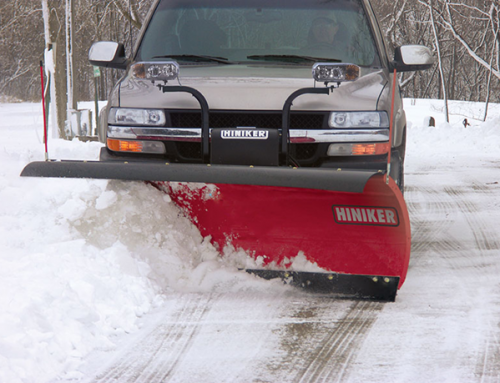
It’s easy to think of a plow in terms of “does it move snow or not?” But performance is more nuanced than that. A well-built plow clears cleaner. It angles smoothly. It holds its position. It handles repeated passes without constant adjustment.
A cheaper unit may leave more behind, require extra passes, or struggle with packed snow. That adds time to every stop.
Over a full route, those extra minutes add up. Over a season, they can turn into lost revenue or the need for more labor just to keep up.
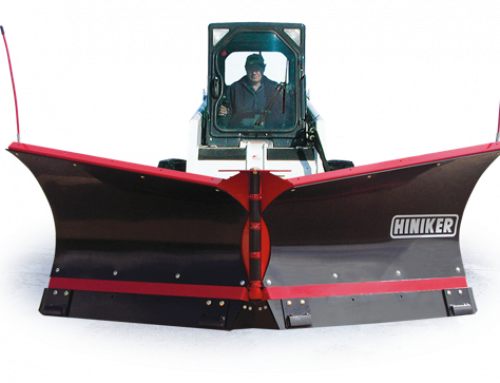
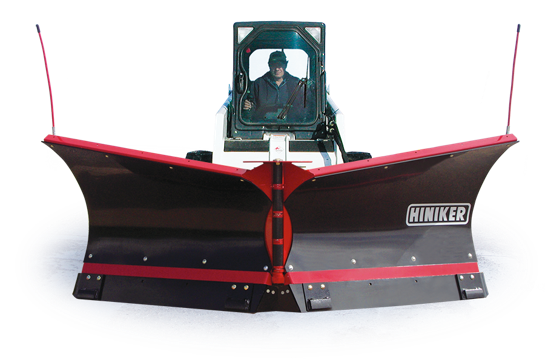
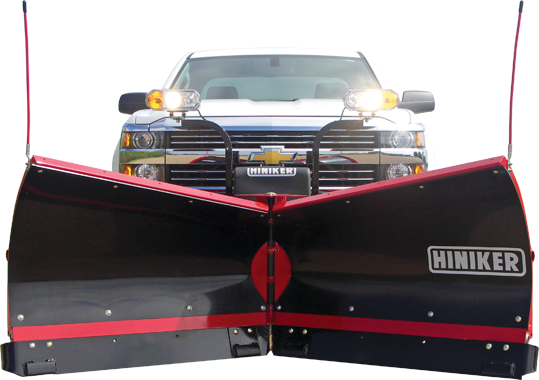
That’s one reason contractors compare different styles like v-plow setups. The right equipment can reduce passes and improve efficiency, which directly impacts how many properties you can service in a night.
Repairs don’t just cost money, they cost time
Fixing equipment is part of the business. Every contractor expects some level of maintenance. The issue with lower-end plows is how often those repairs happen and how long they take. If you’re constantly replacing components or chasing electrical issues, you’re not focusing on your route.
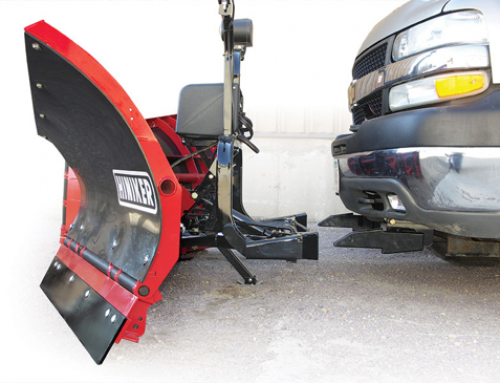
Access to parts matters here. Contractors working with reliable snow plow parts sources tend to recover faster when something does go wrong. But frequent repairs still create a drag on operations. It’s not just about whether you can fix it. It’s about how often you have to.
Wear and tear shows up faster than expected
One of the biggest surprises for newer contractors is how quickly cheaper equipment wears down. Cutting edges wear unevenly. Hinges loosen. Frames take stress. Corrosion starts earlier if materials and coatings aren’t up to par.
That leads to earlier replacement. Snow pusher that seemed like a bargain might only last a couple of seasons under heavy use. Meanwhile, a higher-quality unit might run longer with fewer issues. That gap changes the long-term cost more than the purchase price ever could.
Matching equipment to your workload
Not every contractor needs the same setup. A small residential route doesn’t demand the same performance as a large commercial operation.
Problems start when equipment doesn’t match the workload.
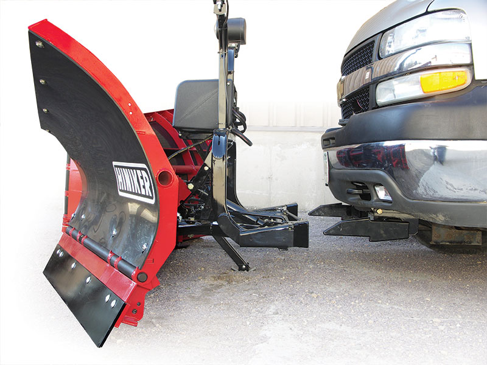
A contractor running large lots might be better off with something like mounted snow pushers instead of relying on a lighter-duty plow. Using the wrong tool increases wear and reduces efficiency at the same time.
Cheap equipment tends to struggle more when pushed outside its intended use. That’s often when failures happen.
Support makes a bigger difference than expected
A lot of buyers focus only on the equipment itself. Support doesn’t seem important until you need it.
When something breaks, having access to a knowledgeable snow plow dealer can save hours or even an entire shift. Quick troubleshooting, available parts, and real-world advice can keep you moving.
Without that support, even small issues can turn into major delays. That’s one reason contractors who have gone through a few seasons tend to value the relationship as much as the product.
Why contractors replace cheap plows early
It usually comes down to consistency.
If a plow works one night and struggles the next, it becomes hard to rely on. Crews lose confidence in the equipment. Routes become harder to manage. Stress levels go up.
At some point, replacing the plow feels like the only way to stabilize operations.
That decision often happens sooner than expected. What looked like savings upfront turns into a shorter equipment lifespan and higher overall cost.
So what’s the smarter approach?
Most experienced contractors don’t chase the lowest price anymore. They look for reliability, serviceability, and performance under real conditions.
That doesn’t mean buying the most expensive option every time. It means buying equipment that matches your workload and can handle repeated use without constant issues.
A plow should help you move faster, not slow you down. That’s the real difference between equipment that lasts and equipment that gets replaced early.
FAQs
Do cheap snow plows always fail quickly?
Not always. Some can hold up for lighter use. The problems usually show up under heavy workloads or frequent storms where durability really matters.
How long should a good snow plow last?
With proper use and maintenance, a quality plow can last several seasons. Heavy commercial use may shorten that, but it should still outperform lower-cost options over time.
Is it better to repair or replace a failing plow?
If repairs become frequent and start affecting your route, replacement usually makes more sense. Occasional fixes are normal. Constant issues are a sign the equipment isn’t keeping up.

Reach out to us online at Hiniker or contact us today by calling (800) 433-5620 to find out more about the premium snow removal products we offer.
We have been a proud Minnesota-based manufacturer since 1995. We offer the highest quality salt & sand spreaders, snow plows, skid steers, truck plows, accessories, and more!
Our equipment at Hiniker is built to enable the operator to work as efficiently as possible.
You can also follow us on Facebook for the latest news regarding Hiniker’s premium equipment and accessories.