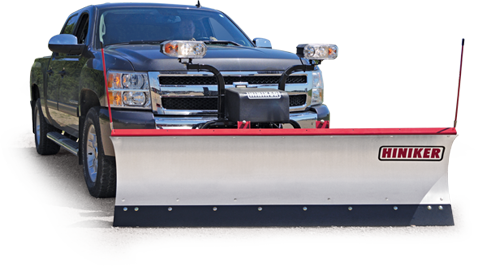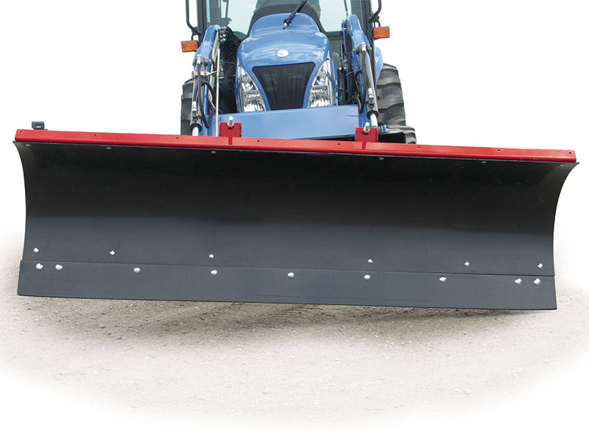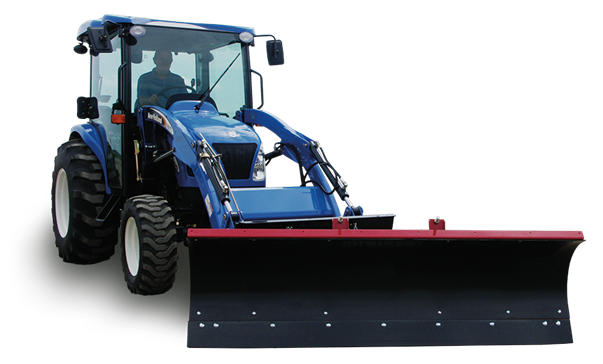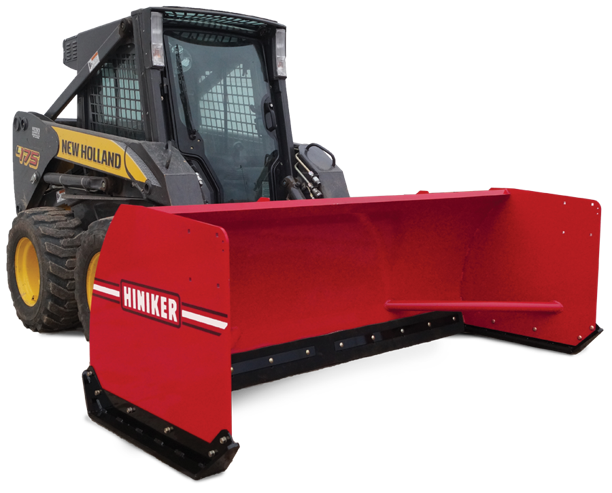
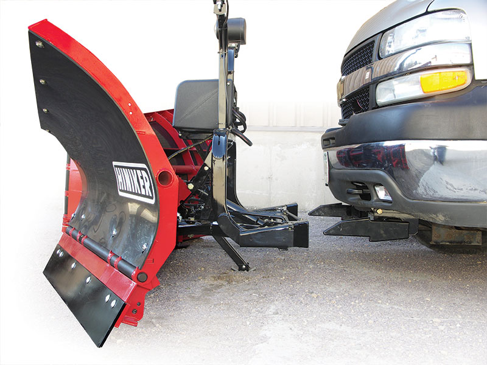
Snow plow blades might look similar on a showroom floor or a website listing, but what happens after you buy is where the real difference shows up. A lot of contractors don’t think about that part until something breaks mid-storm, a controller fails, or a truck goes down with a full route waiting. That’s when the choice between a dealer and a big box store stops being about price and starts being about uptime.
Most buyers compare upfront cost. That makes sense. But snow removal is a time-sensitive business. If your equipment doesn’t run, you don’t get paid. The real question is not “what does it cost today?” It’s “what does it cost when something goes wrong at 2:00 a.m.?”
Why Snow Plow Blades aren’t just a one-time purchase
A plow is not a set-it-and-forget-it piece of equipment. It takes hits. It wears down. It needs adjustment, repair, and sometimes fast replacement parts when conditions are at their worst.
That’s where the buying experience starts to split.
Big box retailers are built for volume. They move product. They can offer competitive pricing. But once the sale is done, support tends to thin out quickly. You may get a return window. You may get a manufacturer warranty. What you usually don’t get is fast troubleshooting, install guidance, or a technician who knows your setup.
A dedicated snow plow dealer works differently. They expect you to come back. Not because something failed, but because they know snow equipment is ongoing. They handle installs every week during the season. They see the same issues across different trucks, routes, and operators. That experience becomes valuable the moment something feels off.
What happens when something breaks mid-route
This is where the gap becomes obvious.
If a plow stops functioning during a storm, time matters more than anything else. Waiting days for a part or trying to diagnose a wiring issue alone can cost far more than you saved on the purchase.
Dealers usually stock common parts and know failure patterns. Controllers, solenoids, hydraulic lines, cutting edges—these are not rare problems. A contractor working with snow plow dealers often has access to quicker fixes or at least faster direction on what to do next.
Big box retailers typically send you back to the manufacturer or ask you to handle the warranty claim process. That works fine in the offseason. It doesn’t help much when your truck is sitting in a lot full of snow that still needs to be cleared.
Installation matters more than people think
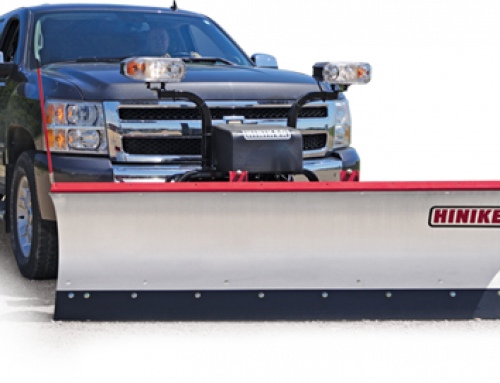
Snow plow blades installed incorrectly can create problems that show up weeks later. Electrical issues, poor alignment, mounting stress, or control inconsistencies can all trace back to install quality.
A dealer installs plows daily. They match equipment to truck specs, axle ratings, and intended use. They can tell you if a setup is going to feel front-heavy or if your electrical system needs adjustment.
That kind of guidance is hard to get from a shelf purchase.
It also affects how your equipment wears over time. A properly installed plow tends to last longer and perform more consistently. That feeds directly into your operating cost across the season.

The role of equipment variety and real-world advice
Contractors don’t all run the same type of work. Some handle tight commercial lots. Others run long rural drives or large open properties. Equipment choice should reflect that.
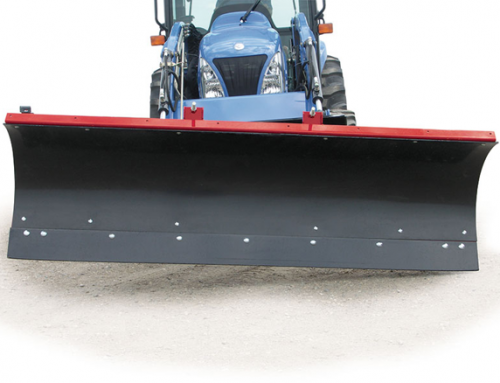
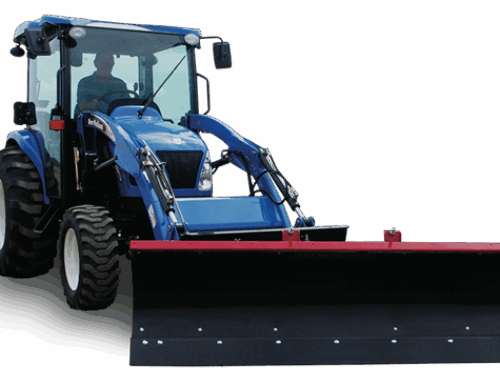
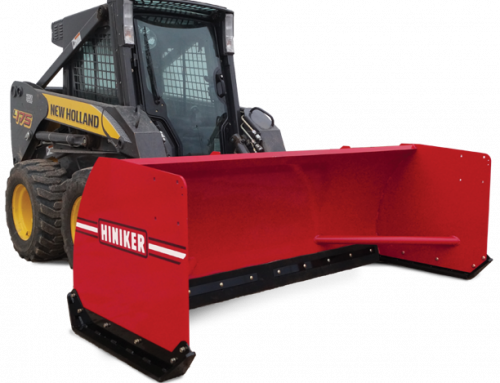
A dealer typically walks through your route before recommending a setup. They may steer you toward a v-plow for versatility or a different blade style if backdragging is a major part of your work. That kind of recommendation is based on what happens in the field.
Retail environments usually don’t go that deep. You’re picking based on specs, price, and availability. That difference shows up later when you realize your plow isn’t matching your workload as well as it could.
Parts, repairs, and staying on the road
Snow removal is not forgiving when it comes to downtime. Every hour matters. Equipment that sits still costs money.
Having access to snow plow parts without delay can be the difference between finishing a route and losing a contract. Dealers often keep the most common components on hand during peak season. Even when they don’t, they usually know the fastest way to get them.
Retail purchases don’t always come with that same support network. You might be waiting on shipping or navigating a support system that isn’t built for urgency.
Accessories and upgrades over time
Most contractors don’t stop at the base setup. Lights, controls, mounts, and performance upgrades become part of the picture as routes expand.
Working with a snow plow accessories dealer makes it easier to build on what you already have. Instead of guessing compatibility, you get parts that fit your exact system and advice on whether an upgrade is worth it.
That kind of incremental improvement is harder when you’re piecing things together from multiple sources without a central point of support.
Long-term cost vs upfront price
It’s tempting to focus on the number on the invoice. But snow equipment doesn’t behave like a one-time purchase. It behaves more like a tool you rely on under pressure, repeatedly.
A cheaper plow that fails more often, takes longer to repair, or doesn’t match your route can quietly cost more over a season than a slightly higher upfront investment.
Contractors who have been through a few winters tend to look at it differently. They start valuing response time, parts availability, and guidance just as much as purchase price.
That’s where the dealer relationship tends to stand out.
So which option makes more sense?
If you’re running occasional residential work and can afford some downtime, a retail purchase might cover what you need.
If you’re running commercial routes, tight timelines, or multiple trucks, the margin for error gets smaller. Support becomes part of the equipment, not an add-on.
That’s usually where a dealer earns their place.
The plow itself matters. But the support behind it is what keeps your business moving when conditions are at their worst.
FAQs
Is buying from a dealer always more expensive?
Not always. The sticker price can be higher in some cases, but many contractors find the long-term cost is lower once repairs, downtime, and support are factored in.
Can I install a snow plow myself?
You can, especially if you have mechanical experience. Still, many installation issues don’t show up right away. A professional install tends to reduce those risks.
Do dealers help after the sale or only during purchase?
Most dealers expect ongoing contact. That includes parts, repairs, troubleshooting, and upgrades. That continued support is a big part of what you’re paying for.

Reach out to us online at Hiniker or contact us today by calling (800) 433-5620 to find out more about the premium snow removal products we offer.
We have been a proud Minnesota-based manufacturer since 1995. We offer the highest quality salt & sand spreaders, snow plows, skid steers, truck plows, accessories, and more!
Our equipment at Hiniker is built to enable the operator to work as efficiently as possible.
You can also follow us on Facebook for the latest news regarding Hiniker’s premium equipment and accessories.