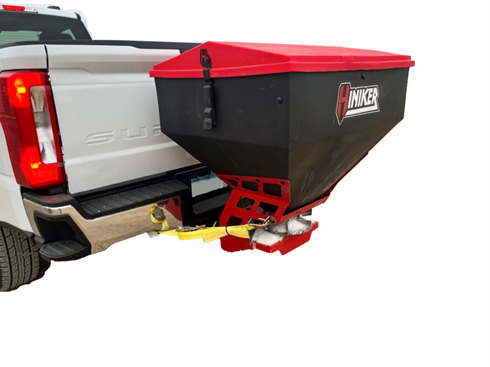
Salt & sand spreaders are one of those purchases that look simple until you start doing the math. A contractor sees a hopper, a motor, a control box, and a price tag. Then winter hits, routes get packed, material costs rise, and that “simple” decision starts affecting labor hours, callback rates, fuel use, and even whether a crew finishes before sunrise. So which choice gives you the better return in 2026: a salt setup or a sand setup? For most commercial contractors, salt wins on efficiency. Sand still has a place, but only on certain routes, surfaces, and weather patterns.
The reason comes down to what you are really buying. You are not just buying a machine that throws material. You are buying speed, material control, cleanup time, customer satisfaction, and the ability to keep trucks moving instead of stopping to reload or fix clogs. That is where spreader ROI gets real.
Where Salt & Sand Spreaders make money or lose it
On paper, sand can look attractive. It is familiar. In some regions, it is cheaper per ton. It adds traction fast. On icy hills, gravel lanes, and rough secondary surfaces, it still earns its keep. But commercial snow work is rarely judged on one storm. It is judged over a full season, across dozens or hundreds of service stops.
Salt usually creates a stronger return for contractors handling retail lots, medical offices, industrial yards, apartment complexes, and other paved properties. You use less material by volume. You can cover more ground in less time. You carry more usable treatments per load. Your trucks spend less time heading back for refills. Those are direct margin issues, not theory.
Sand starts losing ground when labor and handling costs pile up. It is heavier. It bridges more easily in certain conditions. It leaves residue. It often creates spring cleanup work that somebody still has to price, schedule, and complete. A contractor who saves money on the front end can give it all back in labor and property cleanup later.
That is one reason buyers start paying attention to build quality and controls, not just hopper size. Good salt & sand spreader accessories can change daily performance more than people expect. Better vibrator kits, cleaner wiring protection, stronger covers, and more dependable controllers can cut downtime during the worst part of a storm, which is usually when weak equipment shows itself.
Salt has another edge that matters more in 2026 than it did a few years ago: route density. Contractors are pushing tighter schedules, fewer drivers, and larger books of business. A spreader that helps one truck service two more sites before dawn may be worth far more than the difference in sticker price. That is why more fleets are comparing sand & salt spreader accessories and control options with a sharper eye than they used to.
The route itself should drive the decision. If your accounts are mostly paved commercial lots, loading docks, drive lanes, and private roads with steady traffic, salt is usually the cleaner business move. If your accounts include steep gravel roads, rural sites, low-maintenance contracts, or areas where melting action is less realistic, sand still deserves a spot in the fleet.
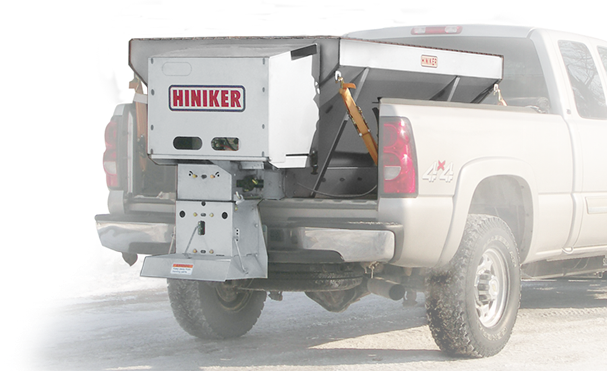
Material use tells the story fast. A contractor spreading sand may move a lot of weight without getting the same coverage or melting action. That affects truck wear and payload planning. Salt is lighter to move in comparable service terms, and that gives you room to stay on route longer. Over a season, fewer reload trips can quietly add up to serious savings.
That does not mean every salt setup pays off. Cheap units can chew up profit through jammed augers, rust, bad motors, poor flow control, and wasted material. The spreader that looked like a bargain in October can become the reason a route runs late in January. This is where experienced salt spreader dealers earn their value. They tend to look past the brochure and ask the right questions: how many stops, what truck class, what material, what route length, what kind of surface, what kind of storage, and how often the unit will really run.
Contractors who lean toward sand should ask the same hard questions. The wrong unit can struggle with consistency, especially in damp conditions or mixed material loads. That is why reputable sand spreader dealers usually talk about feed systems, agitation, and service access before they talk about price. A spreader that handles material cleanly in the yard can behave very differently at 3:30 a.m. in blowing snow.
There is another angle many buyers miss: contract type. If you are paid per push and trying to keep labor tight, salt often supports better margins. It is faster to apply and can help reduce return visits on certain pavement conditions. If your contracts are seasonal and built around lower expectations, sand can still work well, especially where traction is the main goal and site appearance is less of a concern.
Storage and supply matter too. Contractors with dependable bulk salt access, covered storage, and loaders in place can run a very efficient operation. Contractors without that setup may find the math changes. A strong spreader can only perform as well as the material you feed it and the way you store it.
That is why many crews end up running a mixed strategy. They use sand & salt spreaders where route variety makes pure specialization too limiting. One truck may serve tight commercial lots all night, then shift to a rural property near dawn. A flexible setup can protect revenue when the account mix is wide.
So which option delivers better ROI in 2026? For the average commercial snow contractor, salt comes out ahead. It usually helps trucks move faster, carry more practical applications per load, leave cleaner finished sites, and cut hidden labor tied to residue and reloads. Sand still makes sense for traction-driven work, rough surfaces, and certain regional conditions. The best answer is less about ideology and more about route economics. Buy for the accounts you actually service, not the ones you imagine picking up later.
A good spreader should save time every storm, not just survive one season. That is the real test.
FAQs
Is salt always cheaper to run than sand?
Not always. The material itself can cost more in some markets. The bigger question is total route cost. When you factor in labor, reload trips, cleanup, and application speed, salt often pencils out better for paved commercial work.
Do contractors still need sand spreaders in 2026?
Yes. They still make sense on gravel, steep grades, low-maintenance sites, and areas where traction matters more than melting. They are not outdated. They are just more situational now.
Should a new contractor buy a combo-capable unit first?
Usually, that is a smart move if your account mix is still changing. A unit built for flexibility can keep you from buying too narrowly in year one, then replacing equipment once your route starts to settle into a pattern.

Reach out to us online at Hiniker or contact us today by calling (800) 433-5620 to find out more about the premium snow removal products we offer.
We have been a proud Minnesota-based manufacturer since 1995. We offer the highest quality salt & sand spreaders, snow plows, skid steers, truck plows, accessories, and more!
Our equipment at Hiniker is built to enable the operator to work as efficiently as possible.
You can also follow us on Facebook for the latest news regarding Hiniker’s premium equipment and accessories.