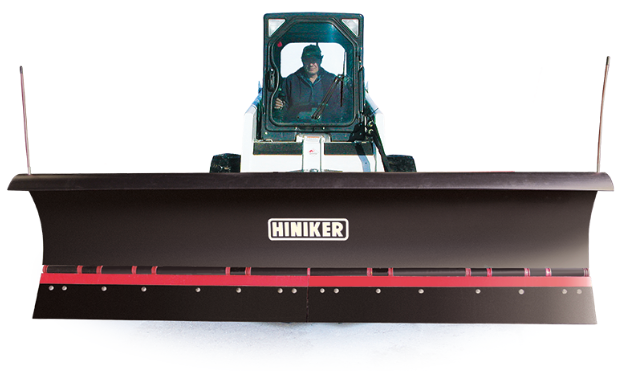
Salt spreaders are often overlooked when people talk about protecting pavement, but they play a bigger role than most expect. If you’ve ever finished a job and noticed scrape marks, loose asphalt, or chipped edges, you know how quickly damage can happen.
Plowing isn’t just about removing snow. It’s about doing it without tearing up the surface underneath. That balance comes down to technique, equipment setup, and timing.
Why Pavement Gets Damaged in the First Place
Damage usually doesn’t happen all at once. It builds over repeated passes.
Common causes include:
- Aggressive blade angles
- Worn cutting edges
- Plowing too low
- Hidden cracks or weak asphalt
- Ice bonding to the surface
When your blade digs instead of glides, it starts pulling material up instead of clearing snow off. That’s where small adjustments make a big difference.
Blade Height Matters More Than You Think
One of the easiest ways to avoid damage is adjusting how your blade contacts the ground. If your plow sits too low, it digs into the pavement. Too high, and you leave snow behind that turns into ice.
Finding that balance keeps your blade floating just above the surface. Many operators rely on experience here, but even a slight adjustment can stop unnecessary scraping.
Use the Right Equipment for the Job
Not all setups handle pavement the same way. For example, tailgate spreaders are often used on smaller properties where tight control matters. Pairing the right spreader with your plow helps manage surface conditions before they become a problem.
On larger lots, upgrading to higher-capacity salt & sand spreaders allows for better material distribution, which reduces the need for aggressive plowing. Less force on the blade means less damage over time.
Pre-Treatment Prevents Surface Damage
This is where salt spreaders really come into play. Pre-treating pavement before snowfall stops snow from bonding directly to the surface. When snow doesn’t stick, it clears off more cleanly.
That means:
- Fewer passes
- Less pressure on the blade
- Reduced scraping
Skipping this step often leads to harder-packed snow, which increases the chance of damage.
Watch for Problem Areas
Certain spots are more vulnerable than others.
Keep an eye on:
- Expansion joints
- Manhole covers
- Speed bumps
- Edges of older asphalt
These areas catch plow edges easily. Slowing down and adjusting your angle in these zones helps prevent unnecessary wear.
Material Choice Makes a Difference
Using the right material can protect both traction and pavement. Sand & salt spreaders allow you to adjust your mix depending on conditions. When temperatures drop too low for salt to work effectively, adding sand provides traction without forcing you to scrape aggressively.
That keeps your blade from working harder than it needs to.
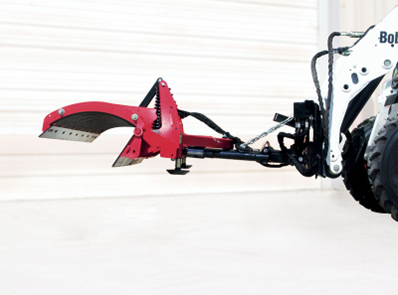
Don’t Ignore Your Cutting Edge
A worn cutting edge is one of the biggest causes of pavement damage.
When it wears unevenly, parts of the blade start digging into the surface. Replacing it before it gets too thin keeps your plow running evenly across the pavement. This is one of those maintenance steps that saves money long term.
Use Accessories to Improve Control
Upgrading your setup with salt & sand spreader accessories can improve how consistently material is applied. Better control over distribution helps you rely less on aggressive plowing to finish a job. It’s not about adding more equipment. It’s about making your current setup work better.
Work With Experienced Dealers
Getting the right setup from the start helps avoid problems later. Experienced salt spreader dealers can recommend equipment that matches your workload and surface types. They’ve seen what works and what causes issues. That insight helps you avoid costly mistakes.
Protecting Pavement Saves Time Too
Damage doesn’t just cost money, it slows you down. If you’re constantly adjusting for rough surfaces or dealing with callbacks, your route takes longer than it should.
Using sand spreaders as part of your process keeps surfaces manageable and reduces the need for aggressive plowing. That keeps your workflow steady from one property to the next.
FAQs
How do I stop my plow from scraping pavement?
Start by adjusting blade height and checking your cutting edge. Pre-treating with salt spreaders also helps prevent snow from bonding, which reduces scraping.
Is it better to plow before or after applying salt?
Usually both. Pre-treating helps prevent buildup, and applying material after plowing clears remaining ice.
Can damaged pavement be avoided completely?
Not always, especially on older surfaces. But using the right technique and equipment can reduce most issues significantly.

Reach out to us online at Hiniker or contact us today by calling (800) 433-5620 to find out more about the premium snow removal products we offer.
We have been a proud Minnesota-based manufacturer since 1995. We offer the highest quality salt & sand spreaders, snow plows, skid steers, truck plows, accessories, and more!
Our equipment at Hiniker is built to enable the operator to work as efficiently as possible.
You can also follow us on Facebook for the latest news regarding Hiniker’s premium equipment and accessories.