
Salt spreaders aren’t usually the first thing people think about when their plow keeps tripping, but they’re often part of the bigger picture. If your plow keeps folding forward or losing position mid-pass, something isn’t right. And it rarely fixes itself.
This is one of the most common frustrations for operators, especially early in the season. You line up a clean pass, hit a section of pavement, and suddenly the blade trips. Then it happens again. And again.
The issue isn’t always obvious. But once you understand what causes it, you can fix it and get back to clearing without interruption.
What “Tripping” Actually Means
When a plow trips, it’s doing what it was designed to do, protect your truck and equipment.
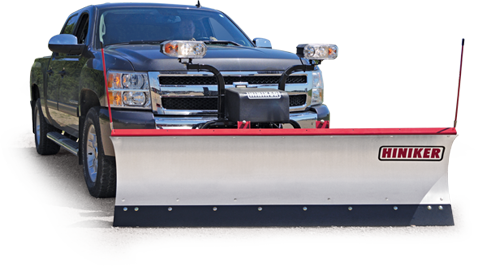
Trip edges or full-trip blades are built to give way when they hit resistance. That resistance might be:
- A raised edge
- Frozen buildup
- Uneven pavement
- Hidden debris
The problem is when it happens too often. That’s when it slows you down and creates inconsistent clearing.
The Most Common Cause: Worn Cutting Edges
Your cutting edge takes the most abuse out of any part on your plow. As it wears down, it changes how the blade contacts the ground. Instead of gliding across the surface, it starts catching edges.
That catching motion triggers the trip mechanism. If your plow is tripping constantly, this is the first place to look. Replacing a worn edge can completely change performance.
Spring Tension Problems
Trip springs control how easily your plow gives way. If they’re too loose, the blade trips too easily. If they’re too tight, you risk damaging your equipment when you hit something solid.
Adjusting spring tension is one of the fastest fixes. Many operators skip this step and assume something is broken when it’s just out of adjustment.
Pavement Conditions You Can’t Ignore
Not all lots are built the same. Older surfaces, patched asphalt, and lots with drainage issues create uneven terrain. These inconsistencies cause the blade to catch more often.
This is where pairing your plow work with salt & sand spreaders can help. Pre-treating rough surfaces reduces how much resistance builds up under the blade. Less resistance means fewer unexpected trips.
Speed Plays a Bigger Role Than You Think
Going too fast increases the chance of tripping. At higher speeds, even small obstacles feel like major impacts to your plow. The blade reacts instantly, and you lose momentum.
Slowing down slightly, especially on unfamiliar lots, can reduce how often the plow trips without hurting your overall job time. It’s about control, not just speed.
Snow Type and Timing Matter
Wet, heavy snow behaves differently than light powder. If you’re plowing after snow has compacted or partially melted and refrozen, you’re dealing with a much harder surface.
That added resistance increases the likelihood of tripping. Using sand & salt spreaders early in the storm helps prevent bonding. That makes plowing smoother and reduces stress on your equipment.
Don’t Overlook Your Plow Setup
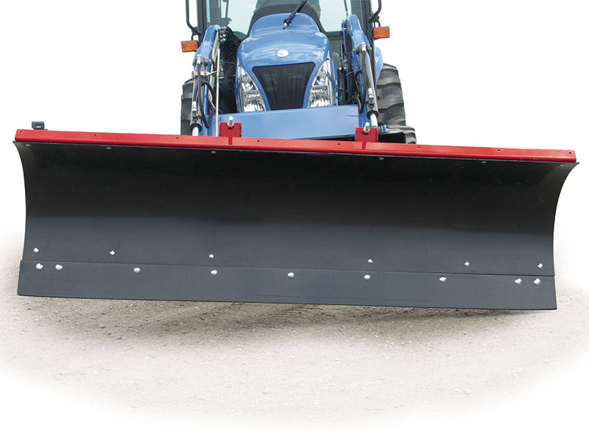
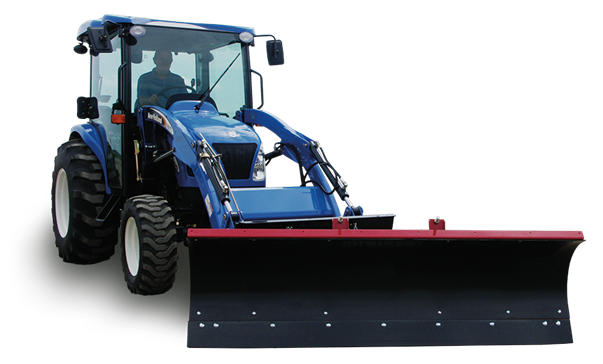
Sometimes the issue comes down to how your plow is mounted.
Check:
- Plow height relative to the ground
- Mounting points and alignment
- Hydraulic response
If the blade angle is off, it won’t ride correctly on the surface. That alone can cause repeated tripping. Even small setup issues can create big problems during a storm.
Accessories That Help Reduce Wear and Tear
Adding the right components can make a noticeable difference. Many operators upgrade with salt & sand spreader accessories and plow add-ons that improve control and consistency across jobs.
While salt spreaders accessories won’t fix a mechanical issue, they help create better working conditions, especially on larger or high-traffic properties.
When It’s Time to Replace vs Adjust
Not every issue needs a full replacement.
Start with:
- Cutting edge condition
- Spring tension adjustments
- Mount alignment
If those check out and the problem continues, it may be time to look at wear on the trip mechanism itself. Working with experienced salt spreader dealers can help you figure out whether you’re dealing with a quick fix or something more serious.
Keeping Your Equipment Working With You
Constant tripping isn’t just annoying, it slows down your entire route. Fixing a sand spreader usually comes down to small adjustments, proper maintenance, and using the right support equipment.
When your plow moves cleanly across the surface, everything else gets easier. Fewer interruptions. Cleaner lots. Faster jobs.
FAQs
Why does my snow plow keep tripping on flat pavement?
It’s often due to a worn cutting edge or loose trip springs. Even flat pavement can have small inconsistencies that trigger the blade if those components aren’t set correctly.
Can salt help reduce plow tripping?
Yes. Using salt spreaders before or during a storm helps prevent ice from bonding, which reduces resistance under the blade.
Is it bad if my plow never trips?
Sometimes. If it never trips, your springs may be too tight. That can put stress on your truck and plow when you hit solid objects.

Reach out to us online at Hiniker or contact us today by calling (800) 433-5620 to find out more about the premium snow removal products we offer.
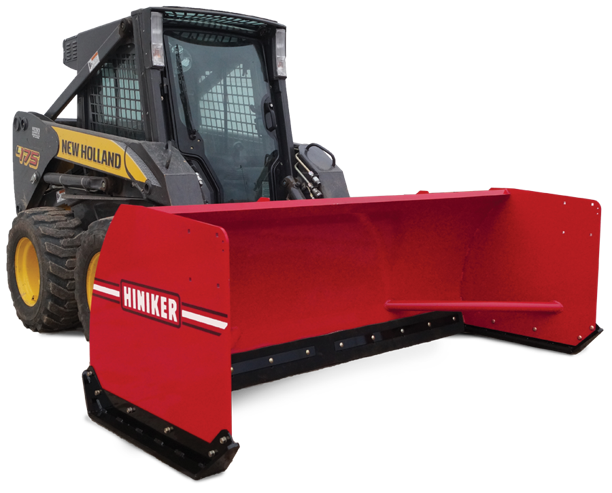
We have been a proud Minnesota-based manufacturer since 1995. We offer the highest quality salt & sand spreaders, snow plows, skid steers, truck plows, accessories, and more!
Our equipment at Hiniker is built to enable the operator to work as efficiently as possible.
You can also follow us on Facebook for the latest news regarding Hiniker’s premium equipment and accessories.