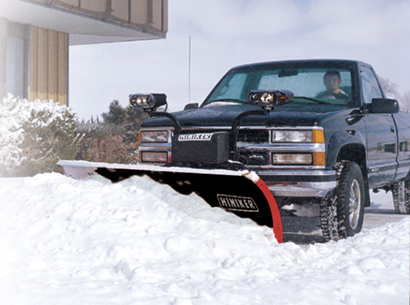
Salt spreaders are often the difference between finishing a job on time and falling behind before the next storm even hits. Large parking lots don’t give you room for inefficiency. Every extra pass, missed strip, or uneven application adds up fast.
If you’re managing commercial properties, speed matters, but so does control. Moving fast without the right setup usually creates more work later. The goal isn’t just clearing snow. It clears it once and does it right.
Why Large Lots Slow Most Operators Down
Big open spaces seem straightforward. But they come with their own set of problems.
You’re dealing with:
- Long push distances
- Windrows building up quickly
- Ice forming underneath packed snow
- Time pressure from multiple accounts
Without the right equipment, operators tend to overwork sections or miss areas entirely. That’s where the right combination of plowing and spreading becomes critical.
The Role Salt Spreaders Play in Speed
Salt spreaders don’t just finish a job, they help you move faster from the start. Pre-treating a lot before snowfall keeps snow from bonding to the pavement. That means fewer passes with your plow and less scraping.
Post-plow spreading helps melt remaining layers quickly so you’re not stuck revisiting the same property hours later. Consistence is what saves time. A good spreader lays material evenly so you’re not doubling back.
Matching Equipment to Lot Size
Trying to use the same setup for every job is where most slowdowns begin.
For larger commercial properties, higher-capacity salt & sand spreaders allow you to cover more ground without constant refilling. That alone can cut job time significantly.
If you’re running multiple trucks, having consistent setups across your fleet keeps application rates predictable. Smaller equipment might feel easier to manage, but on large lots, it usually leads to wasted time.
Don’t Overlook Material Flow and Control
Material flow matters more than most people expect.
If your spreader clogs or dumps unevenly, you lose time fixing issues or reapplying material. That’s why many contractors upgrade their setups with salt & sand spreader accessories.
Things like improved augers, vibration kits, or upgraded controllers help maintain steady output. It’s not about adding complexity. It’s about removing interruptions.
Tailgate vs Hopper: What’s Faster?
It depends on your workload. For mid-sized routes, tailgate spreaders are quick to mount and simple to operate. They’re ideal when you need flexibility between properties.
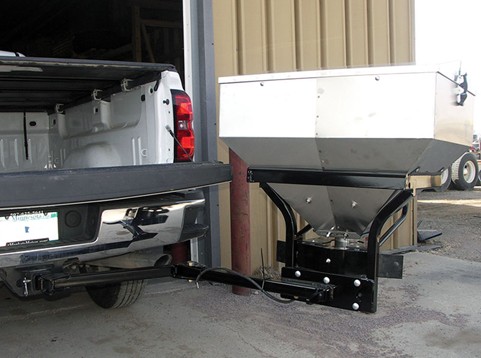
But for large parking lots, hopper spreaders usually win. They carry more material, reduce refill trips, and maintain consistent spreading across long distances. If your crew spends more time refilling than spreading, that’s your signal to upgrade.
Planning Your Route Matters More Than You Think
Even with the best equipment, poor planning slows everything down.
Start with:
- Entry and exit points
- Where snow will be stacked
- High-traffic zones that need priority
- Drainage areas that refreeze quickly
Clearing in a structured pattern reduces overlap and keeps movement efficient.
Then follow immediately with your spreader. Waiting too long allows ice to form, which adds more time later.
Combining Plowing and Spreading for Efficiency
The fastest crews don’t treat plowing and spreading as separate steps. They work them together.
A common approach:
- Open up main lanes first
- Push snow to designated areas
- Apply material right after clearing each section
Using sand & salt spreaders during this process helps maintain traction while you’re still working the lot. It keeps conditions safer and reduces the need for a full second pass.
When to Use a Dedicated Sand Spreader
Some lots require more than salt. If you’re dealing with extreme cold or steep grades, a sand spreader can provide immediate traction where salt alone won’t react fast enough.
This is especially useful early in the storm or during temperature drops when melting slows down. It’s not always necessary, but when it is, it saves time and prevents callbacks.
Why Dealer Support Actually Matters
Equipment is only part of the equation. Working with experienced salt spreader dealers helps you avoid mismatched setups that slow you down.
They can recommend:
- Proper spreader size
- Controller options
- Material compatibility
- Maintenance tips
That guidance prevents costly mistakes before the season even starts.
Speed Comes From Consistency
Clearing large parking lots faster isn’t about rushing. It’s about removing friction from your process. The right equipment, proper planning, and consistent material application all work together. When everything runs the way it should, jobs feel predictable. And predictable jobs get done faster.
FAQs
How can I clear a parking lot faster during a snowstorm?
Start by pre-treating the surface and using a structured plowing pattern. Following immediately with salt spreaders helps prevent ice buildup so you don’t need extra passes later.
Do I need a large spreader for big parking lots?
Usually, yes. Larger capacity units reduce refill time and keep your workflow moving. Smaller units can work, but they tend to slow things down on bigger properties.
What’s the biggest mistake that slows down snow removal?
Waiting too long to apply material. If you delay spreading, ice forms and forces you to redo sections. Using salt spreaders at the right time keeps everything moving.

Reach out to us online at Hiniker or contact us today by calling (800) 433-5620 to find out more about the premium snow removal products we offer.
We have been a proud Minnesota-based manufacturer since 1995. We offer the highest quality salt & sand spreaders, snow plows, skid steers, truck plows, accessories, and more!
Our equipment at Hiniker is built to enable the operator to work as efficiently as possible.
You can also follow us on Facebook for the latest news regarding Hiniker’s premium equipment and accessories.