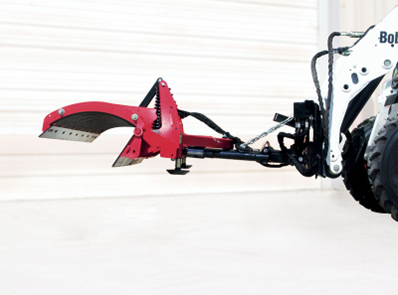
Salt spreaders might not seem related to backdragging at first, but they play a big role in how clean and controlled your results are. If you’ve ever tried pulling snow away from a garage door and ended up with packed ice or leftover slush, you know how frustrating this part of the job can be.
Backdragging is one of those skills that separates average operators from efficient ones. It’s not just about pulling snow backward—it’s about doing it cleanly without leaving a mess behind.
Why Backdragging Is So Challenging
Garage doors, loading docks, and tight spaces don’t give you much room to work.
You’re dealing with:
- Limited maneuvering space
- Packed snow near structures
- Uneven surfaces
- Ice forming quickly after the first pass
Unlike open lots, you can’t rely on long push runs. Everything happens in short, controlled movements. That’s where technique matters most.
Start With the Right Blade Position
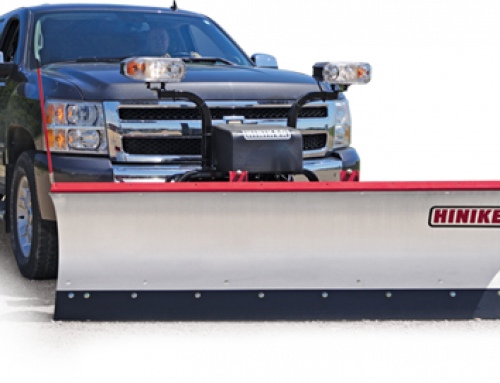
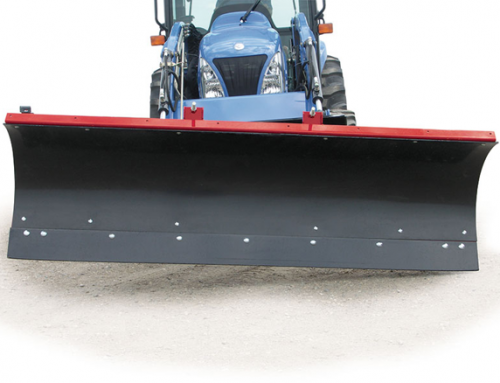
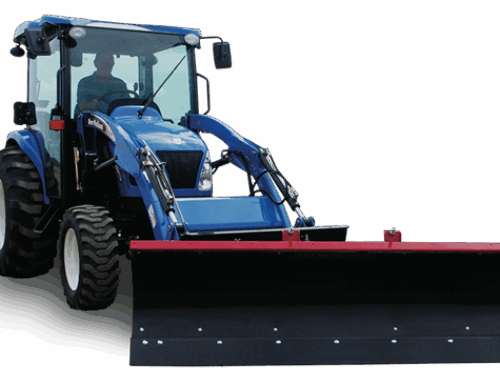
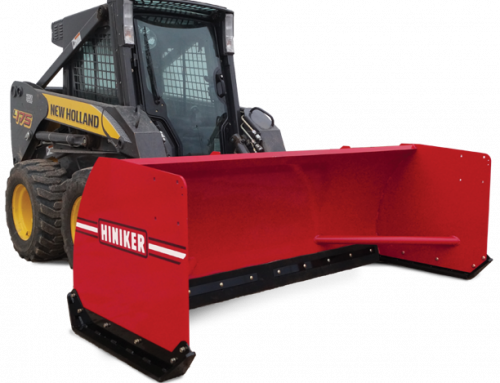
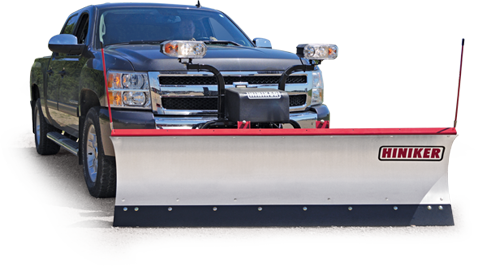
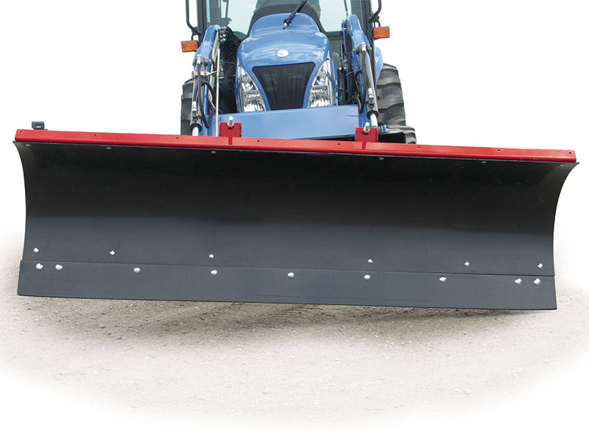
Before you even begin, your blade angle needs to be set correctly. A straight blade position usually works best for backdragging. Angled blades tend to leave trails behind because snow slips off one side.
Keep the blade flat and slightly raised so it doesn’t dig into the pavement. Too much downward pressure creates resistance and leaves uneven patches.
Take Short, Controlled Pulls
One long pull might seem faster, but it usually creates more cleanup.
Instead:
- Pull back a few feet
- Lift slightly
- Reset your position
- Repeat
This method keeps the snow from piling up under the blade and allows you to maintain control.
It might feel slower at first, but it reduces the need for rework.
Prevent Ice Before It Starts
This is where salt spreaders make a difference.
Before backdragging, applying a light layer of material helps prevent snow from bonding to the pavement near the garage door.
When snow isn’t stuck to the surface, it pulls away much more cleanly. After clearing, a second pass with your spreader helps eliminate leftover moisture that could refreeze.
Use the Right Equipment for Tight Spaces
Compact setups work better in confined areas.
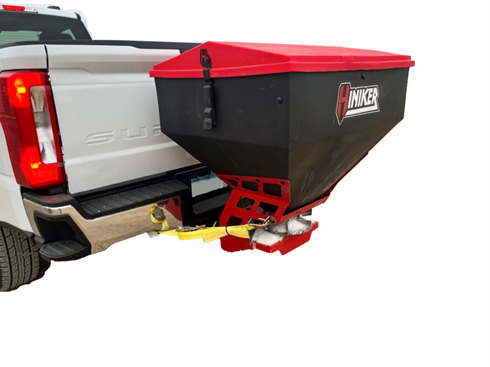
Many operators rely on tailgate spreaders for residential or small commercial jobs because they’re easy to maneuver and quick to deploy between properties.
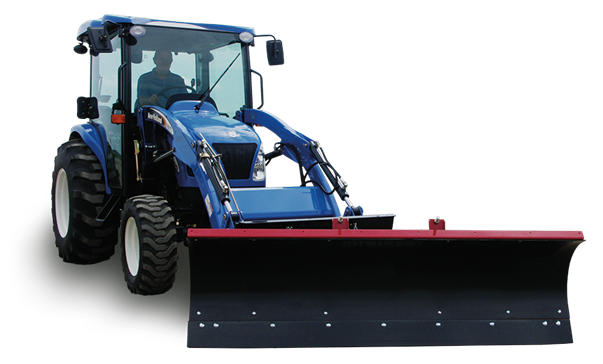
Pairing a smaller spreader with your plow setup keeps everything efficient without overcomplicating your workflow.
Manage Snow Buildup Near the Door
One of the biggest mistakes is letting snow pile up too close to the structure.
After a few pulls, push the snow farther away before continuing. If you don’t, you’ll run out of space and end up pushing the same snow repeatedly.
Keeping that area clear gives you room to work and keeps each pass effective.
Improve Traction While You Work
Slippery surfaces make backdragging harder than it needs to be. Using sand & salt spreaders during the job can improve traction for both your vehicle and pedestrians.
This is especially helpful on driveways or loading zones where safety is a concern. Better traction means better control.
Don’t Ignore Your Equipment Condition
Backdragging puts a different kind of stress on your plow.
Check:
- Cutting edge wear
- Hydraulic responsiveness
- Blade alignment
If something feels off, it probably is. Small issues become noticeable quickly when you’re working in tight spaces.
Upgrading with salt & sand spreader accessories can also help maintain consistent material flow, which supports better results after clearing.
When to Bring in Additional Support
If you’re consistently struggling with certain properties, it may come down to your setup. Working with experienced salt spreader dealers can help you fine, tune your equipment for the type of work you’re doing. Sometimes a small adjustment or upgrade changes everything.
Clean Results Come From Timing
Backdragging works best when snow is still manageable. If you wait too long and let it compact or partially melt and refreeze, it becomes much harder to remove cleanly. Using salt spreaders early helps keep conditions workable and reduces the effort needed later.
FAQs
What is the best way to backdrag snow from a garage door?
Use short, controlled pulls with your blade in a straight position. Applying material with sand spreaders beforehand helps prevent sticking.
Why does snow stick when I backdrag?
It usually sticks because it has bonded to the pavement. Pre, treating and working earlier in the storm can help prevent that.
Do I need special equipment for backdragging?
Not always. Most plows can handle it, but having the right setup and support equipment makes the process much cleaner.
Reach out to us online at Hiniker or contact us today by calling (800) 433, 5620 to find out more about the premium snow removal products we offer.
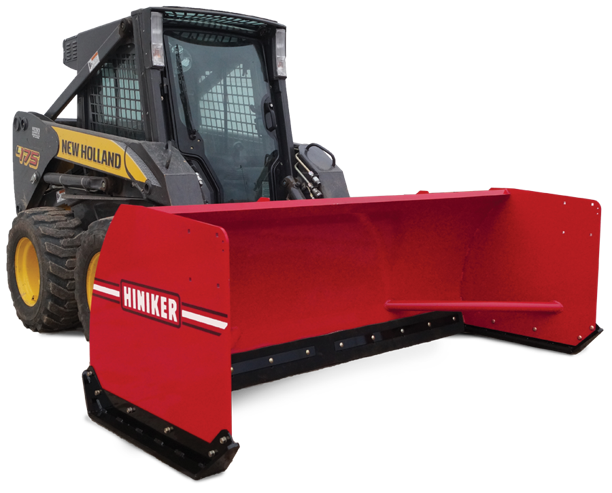
We have been a proud Minnesota, based manufacturer since 1995. We offer the highest quality salt & sand spreaders, snow plows, skid steers, truck plows, accessories, and more!
Our equipment at Hiniker is built to enable the operator to work as efficiently as possible.
You can also follow us on Facebook for the latest news regarding Hiniker’s premium equipment and accessories.