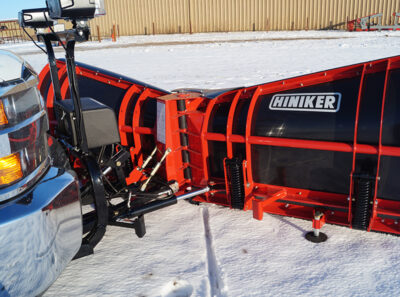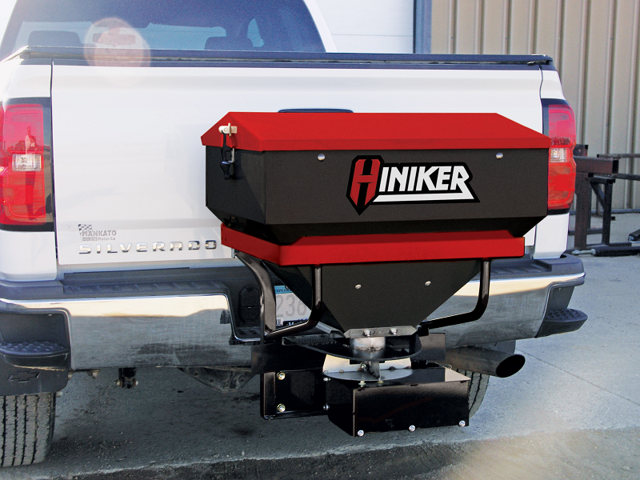
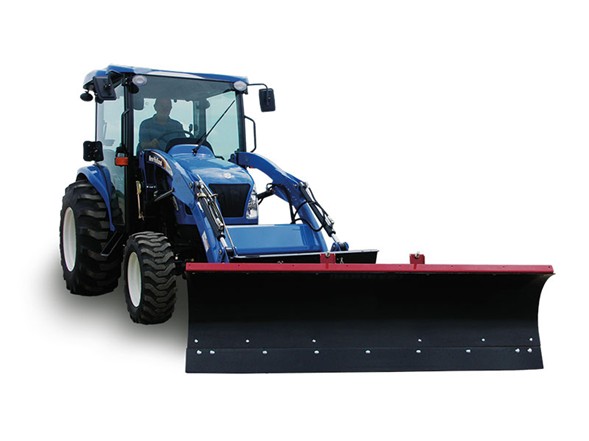
Tractor snow plow setups make sense for properties where the tractor is already part of daily work. Farms, acreages, rural businesses, campuses, and larger facilities often have tractors on site long before the first snow falls. Adding the right plow can turn that existing machine into a very useful winter tool. That does not automatically make a tractor better than a skid steer. It depends on the property. Tractors can be strong, stable, and comfortable for longer runs. Skid steers can be nimble in tight spaces. The right choice comes down to where the snow is, where it needs to go, and what equipment is already available. The smartest winter setup is usually the one that fits the site without making the operator fight the machine.
Why a tractor snow plow fits some properties well
Tractors are useful when snow needs to be moved across longer drives, lanes, yards, and open areas. They can be comfortable for operators who spend a lot of time clearing after each storm. If the tractor already handles chores on the property, winter plowing may be a natural extension of its work. A tractor can also be a good fit for rural surfaces where the job is less about tight commercial cleanup and more about keeping access open. Long lanes, equipment yards, farm drives, and private roads all fall into that category. The key is choosing a plow that matches the tractor’s size, weight, hydraulics, and mounting options. Too much blade can make the tractor awkward. Too little blade can waste time.
Blade choice changes how the tractor works
Snow plow blades for tractors should be selected around the job, not just the tractor. A long open lane may call for a different blade than a yard with buildings, gates, and parked equipment. Blade width, trip protection, cutting edge style, and angle control all affect how cleanly the tractor can work. If the surface is gravel, the setup may need to behave differently than it would on smooth pavement. Snow type matters too. Wet snow pushes differently than dry snow. Packed drifts can be harder on the blade and tractor. The plow should be able to handle the snow that actually shows up, not just the snow everyone wishes they had.
Tractor loaders bring another option
A tractor loader snow plow can be useful when the loader is already on the machine and the property needs more pushing ability. Loader-mounted setups can help with yards, lanes, and areas where snow has to be moved or stacked. The benefit is flexibility. The tractor may already be doing loader work, and adding a plow can make it more useful during winter. The tradeoff is that the attachment has to match the loader, the tractor, and the way the operator uses the machine. Visibility should be part of the decision. If the operator cannot clearly see the blade edges or the work area, the setup may be harder to run than expected.
Scoop-style plows and snow control
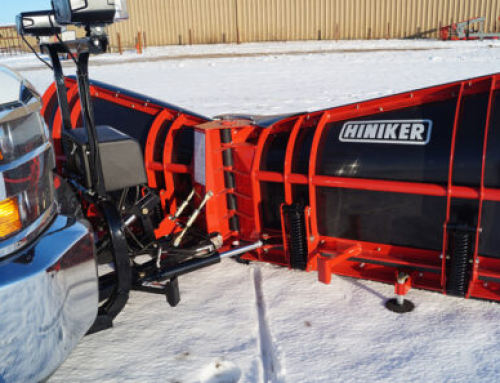
A scoop plow can help when the operator needs to carry snow and control spilloff. That can be useful around yards, lots, and open areas where snow has to be gathered and moved toward a pile. This kind of setup can save time when the property has enough room to work. It may be less useful in tight spaces where small adjustments matter more than carrying volume. Again, the property decides. A plow that is great in an open yard might not be the best tool around buildings, narrow gates, or parked equipment.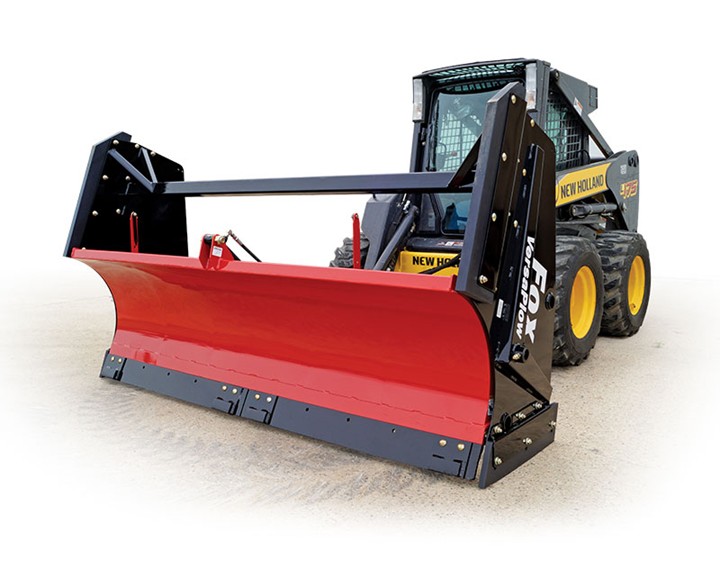
Do skid steer accessories matter here?
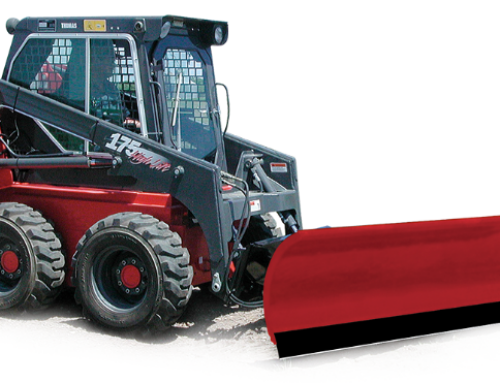
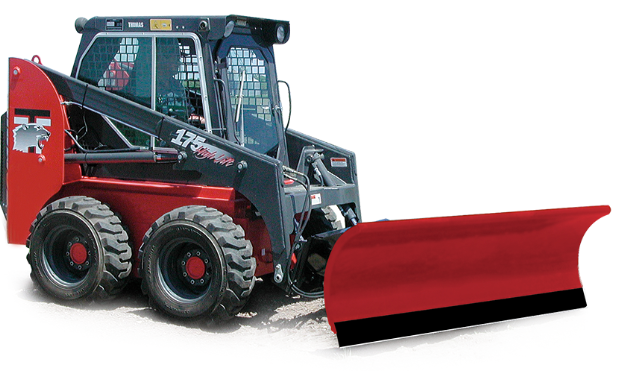
They can. Some crews compare tractor setups with skid steer equipment because both machines may be available on the same property. Skid steer accessories dealer conversations can help if the operation is deciding which machine should handle which part of the site. A skid steer may be better for tight corners, loading docks, and quick cleanup around obstacles. A tractor may be better for longer pushes or broader property access. Many sites use both when they can. The point is not to crown one machine. It is to divide the work in a way that makes sense.
Think about storage, service, and wear
Winter attachments need attention. Cutting edges wear. Mounting points loosen. Hydraulic connections deal with cold and vibration. The best setup is one the crew can inspect, clean, store, and service without making it a chore. Loader snow plows and tractor plows should be checked before storms, not after something goes wrong. Look for uneven wear, damaged edges, loose hardware, and anything that might fail during a long push.
Before choosing a tractor snow plow, think through the normal storm. How far does the machine travel? Where does snow get stacked? What surfaces are being cleared? Who runs the tractor? How easy is the attachment to remove? A good tractor plow should feel like a natural winter tool, not an experiment bolted on at the last minute.
FAQs
Is a tractor snow plow good for long driveways?
Yes, it can be. Tractors often work well on longer lanes, farm drives, and rural access roads when the blade is matched to the machine.
Is a skid steer better for tight areas?
Often, yes. Skid steers are usually more maneuverable around buildings, docks, and tight corners.
What matters most when choosing a tractor plow?
Fit matters first. Match the plow to the tractor, the mounting system, the surface, and the kind of snow work you need to do.
Reach out to us online at Hiniker or contact us today by calling (800) 433-5620 to find out more about the premium snow removal products we offer. We have been a proud Minnesota-based manufacturer since 1995. We offer the highest quality salt & sand spreaders, snow plows, skid steers, truck plows, accessories, and more! 
Our equipment at Hiniker is built to enable the operator to work as efficiently as possible. You can also follow us on Facebook for the latest news regarding Hiniker’s premium equipment and accessories.