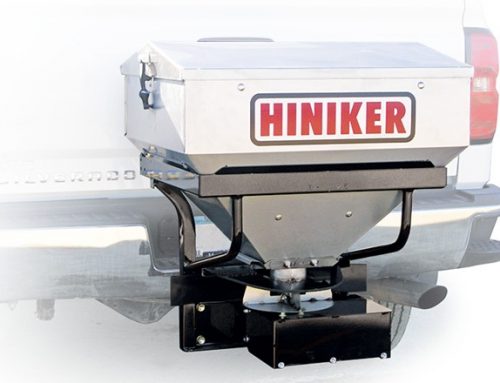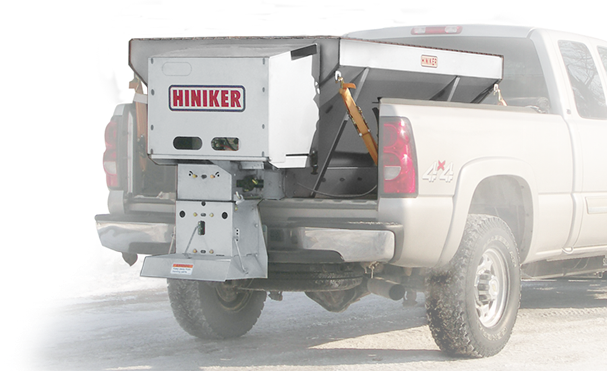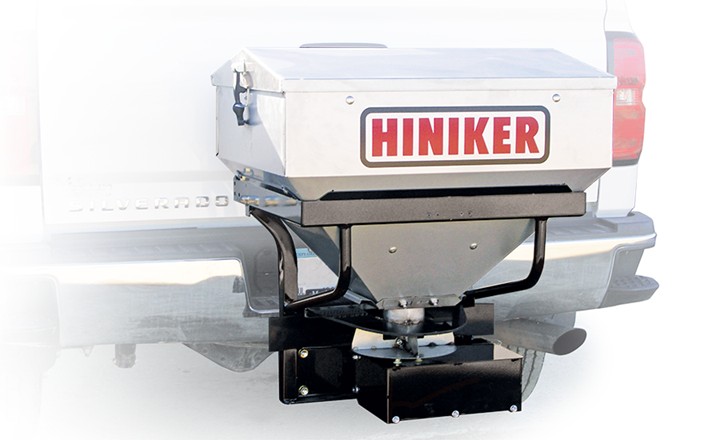
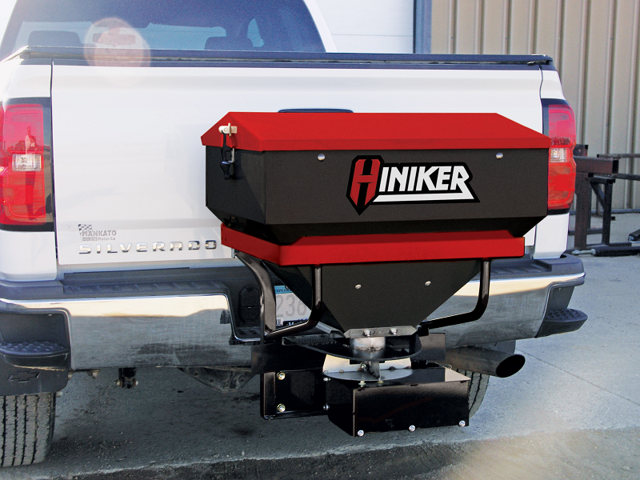
Receiver hitch spreader setups are for crews that want spreading capability without committing the whole truck bed to a hopper. They are compact, direct, and useful when the job is more about treating key areas than running a long, high-volume route. That makes them a good fit for certain kinds of winter work. A farm lane, a small commercial property, a facility entrance, a shop yard, or a set of trouble spots may not need a large spreader. They need something that can be mounted, loaded, used, cleaned, and put away without turning into a production. The catch is that compact equipment still has to match the work. A smaller spreader can save time on the right route and waste time on the wrong one.
Why a receiver hitch spreader is really about convenience
Convenience is the main appeal. A receiver hitch setup can keep the truck useful for other jobs. It may leave the bed open for tools, fuel cans, buckets, or other gear. For crews that only spread material on certain properties or during certain storms, that flexibility matters. It can also be easier to store than a larger spreader. Shops and garages get crowded fast in winter. A smaller unit that can be removed and tucked away is sometimes the practical answer. Still, convenience has limits. If the spreader is too small for the route, the operator will spend the night reloading. That gets old quickly, especially when properties are spread out or material storage is not nearby.
Compare it with tailgate options
Many buyers compare receiver hitch units with tailgate spreaders. Both can make sense for pickup-based work. The better choice depends on capacity, mounting preference, material, and how often the truck needs to switch jobs. A tailgate spreader may offer more capacity or a different loading style. A hitch-mounted unit may be simpler for lighter routes. Neither one is automatically better. The route decides. If you are treating a few entrances and drive lanes, compact may be perfect. If you are covering multiple large lots, you may want more capacity. The annoying part of winter work is that the right answer is usually found in the details.
Material still matters
Salt, sand, and blends do not behave the same way. Dry salt is usually easier to spread. Sand can be heavier and more stubborn. Damp material can clump, bridge, and feed unevenly. That is why crews should be careful before using a compact unit as a salter one day and a sand unit the next. Some spreaders can handle different materials. Some cannot. Guessing is not a great plan when the first real test happens during a storm. If sand is part of the route, make sure the feed system is built for it. If salt is the only material, the decision may be simpler. Either way, material storage should be kept as dry and clean as possible.
Dealers can help with fit and expectations
A tailgate spreader dealer can help answer the practical questions before you buy. Will the unit fit the truck? Will it interfere with the plow setup, lights, hitch use, or tailgate access? Where should the controller go? How easy is it to remove? Those questions sound small until the truck is loaded, the lot is dark, and the operator is trying to work quickly. A good setup feels natural. A bad setup feels like it was forced onto the truck. Parts and service should be part of the same conversation. Motors, spinners, harnesses, and covers all deal with cold, salt, and vibration. Knowing where support comes from is useful before something wears out.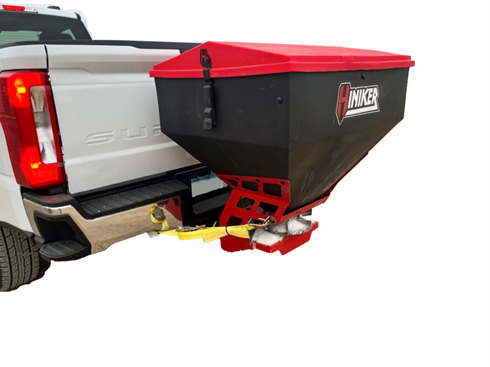
Where hitch spreaders work best
A receiver hitch spreader works best when the route is focused and material demand is reasonable. Think entrances, short drives, small lots, sidewalks near vehicle access, service yards, and known icy patches. It can also help crews that only spread after plowing. Open the lane, clean up the main area, then treat the places that need grip. That simple rhythm works well when the property is not too large. For longer routes, the math changes. If the operator has to reload constantly, the compact setup may cost more time than it saves. That does not make it bad equipment. It just means the route is asking for something else.
Keep the setup easy to live with
The best compact spreader is the one the crew does not dread using. It should load without a mess, spread predictably, clean up quickly, and store without taking over the shop. If it can do that, it will probably get used the way it should. Some crews still prefer tailgate sanders when traction material is the main need. Others want a compact salt unit for quick pavement treatment. Either way, start with the route instead of the product photo.
Before choosing a receiver hitch spreader, be honest about the worst normal storm. How much material will you use? How far is the reload point? Who runs the truck? How much flexibility does the vehicle need outside of spreading? A compact unit can be a very good answer. It just needs to be answering the right question.
FAQs
Can a receiver hitch spreader replace a larger hopper?
Sometimes, but only on lighter routes. If you need high capacity or long run time between refills, a larger spreader may make more sense.
Is a hitch-mounted spreader good for pickups?
Yes, it can be. Pickups that need to stay flexible often benefit from compact spreading equipment, especially for smaller properties or spot treatment.
What should I check before buying?
Check material compatibility, loaded weight, mounting, controller placement, service access, and how often you will need to reload during a normal storm.
Reach out to us online at Hiniker or contact us today by calling (800) 433-5620 to find out more about the premium snow removal products we offer. We have been a proud Minnesota-based manufacturer since 1995. We offer the highest quality salt & sand spreaders, snow plows, skid steers, truck plows, accessories, and more! 
Our equipment at Hiniker is built to enable the operator to work as efficiently as possible. You can also follow us on Facebook for the latest news regarding Hiniker’s premium equipment and accessories.