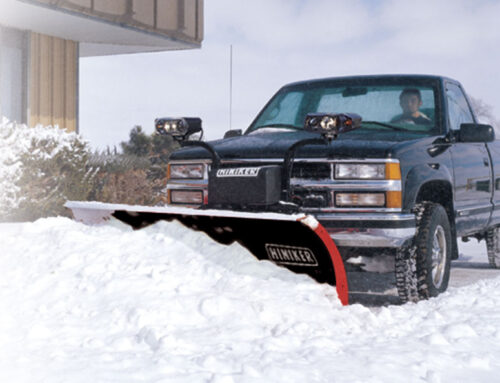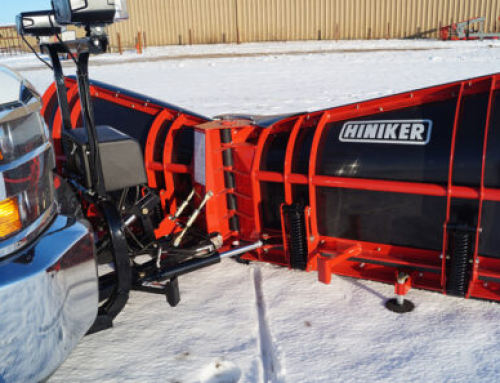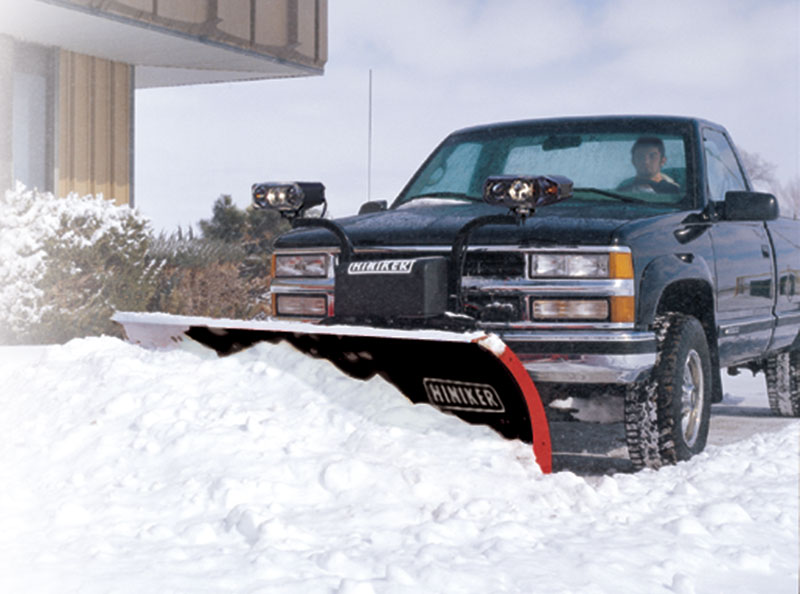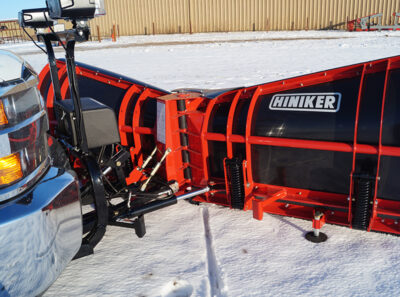
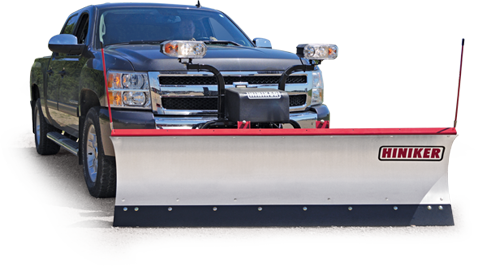
Snow plow blades do the roughest part of winter work. They meet packed snow, rough pavement, frozen ridges, gravel, curbs, and the hidden edges nobody remembers until the truck hits them. Even a well-built plow depends on the blade doing its job cleanly. The trouble is that blade wear can sneak up on a crew. At first, the plow still works. Then cleanup takes a little longer. Snow trails off the edge. Packed areas need another pass. The operator starts compensating without thinking about it. Replacing or upgrading a blade is not only about damage. It is about whether the plow still clears the way it should.
Why snow plow blades wear differently
Not every route wears equipment the same way. Smooth pavement is easier on a blade than broken asphalt, gravel shoulders, or lots with hidden transitions. A truck clearing open pavement at steady speed has a different life than one working around curbs, docks, islands, and tight corners. Operator habits matter too. Speed, attack angle, stacking, backdragging, and how often the blade catches uneven surfaces all affect wear. Two crews can run similar equipment and see very different blade life. Material makes a difference as well. Wet heavy snow, refrozen slush, and old compacted piles are harder on cutting edges than light powder. The worse the storm cycle, the more the blade has to absorb.
Watch the cleanup, not just the blade
A blade does not have to look destroyed to be ready for attention. One of the first signs is poor cleanup. If the plow leaves more snow behind than it used to, the cutting edge may be worn unevenly or no longer making clean contact. Another clue is extra passes. If the operator keeps going back over the same area, something has changed. It might be blade wear. It might be adjustment. It might be the wrong tool for that property. Either way, it is worth checking. This is especially true when a crew uses a back drag plow around doors, garages, loading docks, or parked vehicles. Backdragging depends on clean contact. A worn edge can turn a quick cleanup into several slow passes.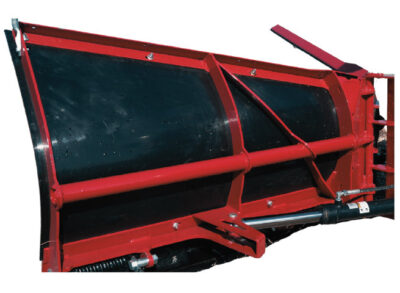
Different tools solve different cleanup problems
Some properties are awkward from the start. Snow has to be pulled away from buildings before it can be pushed. Cars are parked where the clean path should be. Loading areas need to open quickly before trucks arrive. In those cases, blade choice and plow style matter a lot. Pull behind snow plows can be part of that conversation for crews that need to move snow differently. They are not the right answer for every job, but they show why the equipment decision should start with the property, not just the truck. If a crew is constantly fighting the same cleanup problem, replacing a worn blade may help, but changing the setup may help more.
Pushers and plows are not interchangeable
A snow pusher is built for moving volume in a different way than a truck plow blade. Pushers can be useful in open lots, yards, and larger areas where snow needs to be carried straight ahead. They are not meant to do every job a plow does. Mounted snow pushers may make sense for certain equipment and properties, especially where open pushing is the main work. But for tight truck routes, a plow blade gives the operator angle control and flexibility that a pusher may not. The point is not that one is better. The point is that the equipment should match how snow has to move on the property.
Parts support matters during the season
Winter is not kind about timing. Wear items usually need attention when the schedule is already full. That is why snow plow parts should be part of the buying and maintenance plan. Cutting edges, bolts, hydraulic parts, lights, electrical connections, and trip components all deserve routine checks. A blade that is wearing unevenly may be telling you something about adjustment or use. Catching that early can prevent bigger repairs. Keeping common parts available is not overthinking. It is how crews avoid losing a truck during the first good storm of the week.
When upgrading makes more sense than replacing
Sometimes a simple replacement is enough. The plow worked well, the blade wore out, and the same style should go back on. Other times, wear keeps pointing to a bigger mismatch. The truck is working the wrong kind of property. The blade style is not helping with cleanup. The operator needs more control. Before buying snow plow blades, look at where the current setup struggles. Does it leave snow near doors? Does it ride over packed areas? Does it wear one side faster? Does it take too many passes in tight spots? Those clues can tell you whether you need a fresh edge, a different blade, or a different plow style entirely. Good winter equipment is not about looking new. It is about clearing cleanly when the storm is not being polite.
FAQs
How often should snow plow blades be replaced?
It depends on use, pavement, route conditions, and operator habits. Check the cutting edge often during the season instead of waiting for obvious damage.
What is the biggest sign a blade is worn?
Poor cleanup is a common one. If the plow starts leaving more snow behind or needs extra passes, inspect the blade and cutting edge.
Can the wrong blade damage a plow?
It can add stress or cause poor performance. The blade, truck, route, and plow style should all work together.
Reach out to us online at Hiniker or contact us today by calling (800) 433-5620 to find out more about the premium snow removal products we offer. We have been a proud Minnesota-based manufacturer since 1995. We offer the highest quality salt & sand spreaders, snow plows, skid steers, truck plows, accessories, and more! 
Our equipment at Hiniker is built to enable the operator to work as efficiently as possible. You can also follow us on Facebook for the latest news regarding Hiniker’s premium equipment and accessories.