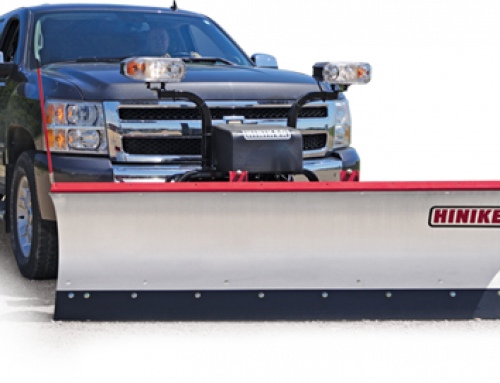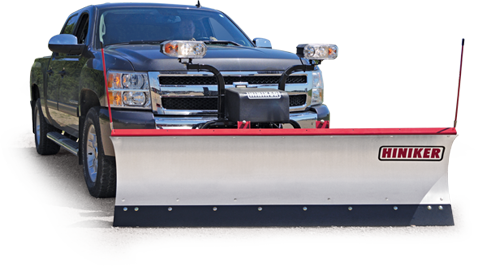
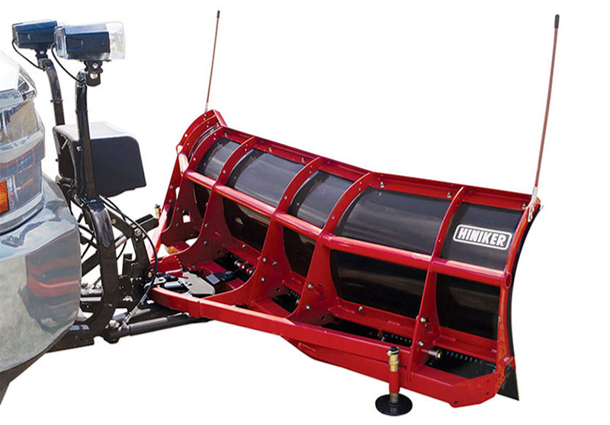
Snowplow headlights can fail in ways that are confusing at first. The truck lights work until the plow is connected. One lamp flickers only when the blade moves. High beams disappear, but low beams are fine. Those details are not random. They help narrow the problem to a bulb or lamp assembly, a connection, a ground, the truck-to-plow harness, or the switching system that transfers lighting control when the plow is attached.
Begin with the simple observations before swapping parts. Is the problem on one side or both? Does it change when the plow is raised, angled, connected, or disconnected? Did it begin after a repair, after driving through deep slush, or after the truck sat outside? A few careful checks can save a lot of time, especially when weather makes every connector look suspicious.
First, Decide Whether It Is a Lamp Problem or a System Problem
One dark light often points toward that lamp, its connector, or the wiring on that side. When both plow lights go out together, look for something they share: power, ground, a fuse, a relay or module, or the connection that tells the system the plow is attached. This is not an absolute rule, but it is a sensible place to begin.
Test the truck’s regular lights with the plow disconnected, then connect the plow and repeat the same functions. Check low beam, high beam, parking lights, and turn signals. Write down what changes. Modern snowplow electronics can route several lighting and control functions through the same harness, so “the lights are out” is not enough information for a useful diagnosis. If a fuse has opened, replace it only with the specified type and rating. A second failure means there is an unresolved fault. Installing a larger fuse is dangerous and can damage the harness or truck.
Why Snowplow Headlights Flicker
Flickering usually means the circuit is being interrupted or voltage is dropping. A loose plug may make contact while the truck is parked and lose it when the plow bounces. Corrosion can do something similar by adding resistance. A weak ground may let a light behave normally until the hydraulic motor runs and electrical demand rises.
Watch for patterns. Flicker that follows blade movement deserves attention around the harness, connector, routing, and charging system. Flicker that appears after hitting bumps makes a loose connection more likely. A single lamp that changes when its housing is touched may have a local connector or internal issue. Do not wiggle wiring near moving equipment while someone operates the plow.
The connector at the front of the truck takes an impressive amount of abuse. It sees salt, road spray, ice, repeated coupling, and the occasional tug from a cable that was routed too tightly. Disconnect power as instructed, then inspect for moisture, green or white corrosion, bent terminals, pushed-back pins, damaged seals, and looseness.
Grounds Deserve More Attention Than They Get
A ground connection can look tight and still perform poorly. Corrosion may be hiding between the terminal and mounting surface, or a cable may be damaged beneath its insulation. Visual inspection is useful, but voltage-drop testing under load tells more of the story. A technician can compare voltage across the power and ground sides while the lights and hydraulic system are operating.
Battery condition and alternator output matter too. Plowing combines lights, heater fans, warning equipment, wipers, and repeated hydraulic use, often while the engine spends long stretches at low speed. That is a demanding electrical environment. Dimming does not automatically mean the lamp assembly is bad.
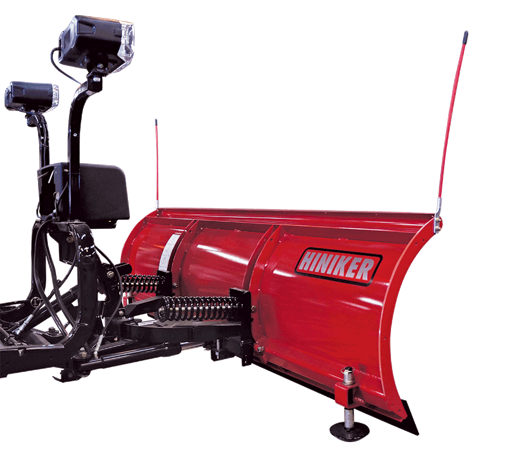
Healthy snowplow headlights depend on the whole electrical path, not merely the components visible above the blade. Blaze bar lights and other warning lighting add another electrical load. They should be installed with the correct circuit protection and wiring rather than tapped into whichever wire is easiest to reach. An accessory that works fine by itself may expose a weak connection when the rest of the equipment comes on.
Check the Harness Where It Actually Moves
Harness damage often occurs at ordinary places: near the grille, beside a mounting bracket, around a hinge point, or where a tie has been pulled too tight. Follow the visible wiring and look for crushed insulation, shiny rub marks, stiff sections, previous repairs, or places where snow and ice can pull on a connector.
Pay close attention to changes made since the lights last worked correctly. Was a bumper removed? Was a battery replaced? Did somebody install a radio, salter, or warning light? A disturbed ground or pinched wire may be connected to the timing even when the new part is unrelated to plowing.
A snow plow accessories dealer can help identify the correct harness and lighting components for the exact truck and plow combination. Model year, headlamp type, and vehicle configuration matter. A part that plugs in is not necessarily the right part.
Know When Testing Beats Guessing
Replacing lamps, modules, and harnesses one at a time gets expensive quickly. Once basic inspection is complete, use the manufacturer’s wiring diagram and test procedure. A digital multimeter can verify power and ground, but only if the person using it understands the circuit and knows where to test. Probing the wrong terminal can spread a connector or damage sensitive electronics.
Available snow plow parts should match the serial number and application. This is especially important on equipment that has changed owners. The blade, mount, controller, and lighting harness may not all be from the same original setup. Experienced snow plow dealers see recurring failure patterns and can usually ask the right questions quickly. Bring notes about which functions fail and when. A short phone video of the behavior can be helpful too, provided it was recorded without distracting the driver or standing near moving equipment.
Keep the Repair From Coming Back
Once the snowplow headlights are working, do not stop at the replacement part. Correct the reason it failed. Reroute a chafing harness, secure a loose connector, replace a damaged seal, or clean and protect connections according to the manufacturer’s guidance. Then test every lighting and plow function together.
Inspect the lights before each event, not after the truck is already on the road. Clean lenses, confirm aim, check both beam settings, and make sure the truck’s lights switch as designed when the plow connects. Five quiet minutes in the yard are worth far more than an improvised repair in a dark parking lot.
FAQs
Why do the truck headlights go out when the plow is connected?
The system may recognize the plow but fail to transfer power correctly to its lights. A harness connection, module, relay, fuse, power supply, or ground could be involved. The exact switching design varies, so use the wiring information for that truck and plow combination.
Can LED plow lights replace halogen lights directly?
Sometimes, but not simply because the connectors look alike. The lamp, harness, controls, mounting, and vehicle electronics must be compatible. Confirm an approved conversion rather than assembling parts from different systems.
Why do snowplow headlights dim when the blade moves?
Some brief change may occur under heavy electrical demand, but pronounced dimming deserves a check of the battery, charging system, cables, connections, and grounds. Testing under load will reveal more than inspecting the lights with the hydraulic system idle.

Reach out to us online at Hiniker or contact us today by calling (800) 433-5620 to find out more about the premium snow removal products we offer. We have been a proud Minnesota-based manufacturer since 1995. We offer the highest quality salt & sand spreaders, snow plows, skid steers, truck plows, accessories, and more!
Our equipment at Hiniker is built to enable the operator to work as efficiently as possible. You can also follow us on Facebook for the latest news regarding Hiniker’s premium equipment and accessories.