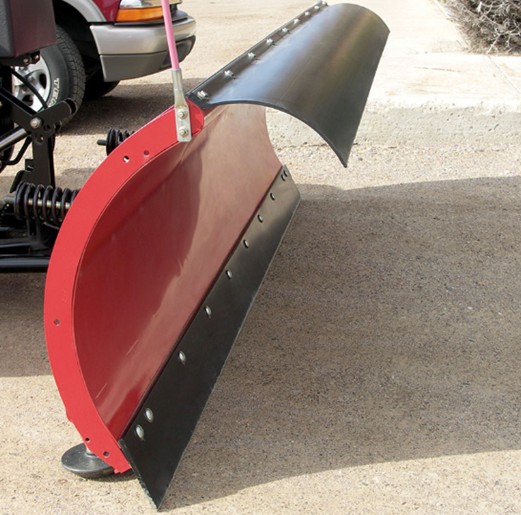
Winter doesn’t take breaks. And your equipment shouldn’t either. At Hiniker, we design snow and ice removal tools that hold up to real-world conditions. But even the strongest gear needs upkeep. One of the most common weak points in a snow setup? Worn-down snow plow blades.
If your blade fails in the middle of a storm, the job slows down. Or worse, the job stops completely. That’s why it’s important to check your blades early and often. Let’s look at how to know if your snow plow blades are ready for winter or if it’s time to make a change.
Why Snow Plow Blades Take a Beating
Snow looks soft. But once you’re pushing packed drifts, ice layers, or slushy debris, the conditions get rough. Even high-quality blades grind against pavement and curbs for hours.
We’ve seen everything from chipped edges to full fractures. Sometimes the blade still works, but it doesn’t cut clean. That leaves snow behind and increases follow-up work.
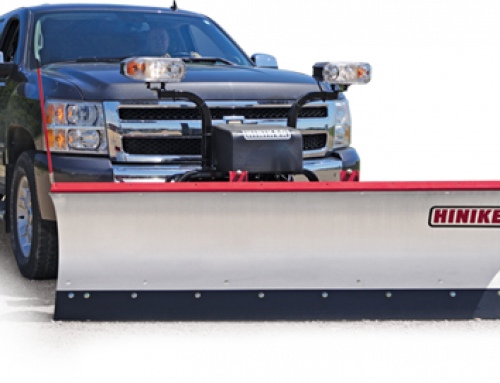
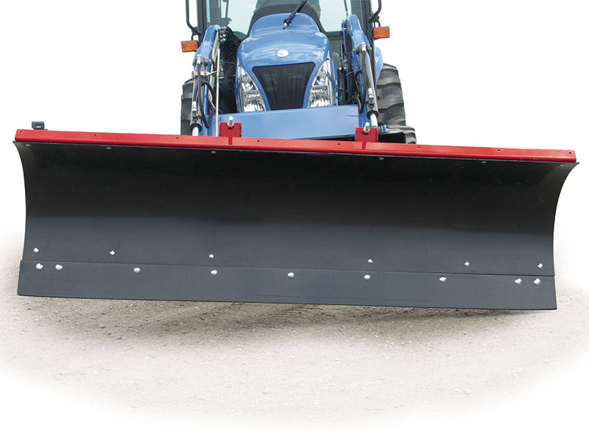
Blades on steel snow plows face intense friction. Steel definitely offers durability. But it also transfers shock directly through the plow and to the machine. If your blade isn’t in good shape, it’ll wear faster and do a poor job clearing.
Signs Your Snow Plow Blades Are Worn Out
You don’t always need a tape measure or micrometer. Many issues show up in simple ways.
You might notice uneven scraping or loss of contact with the surface. You may even hear loud grinding noises. This could mean your snow plow blades are wearing thin or warping. Check the edges before and after each job.
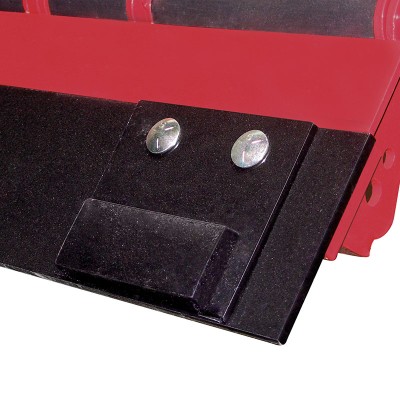
Are the bolts loose or pulling through the mounting holes? That’s another sign the blade has thinned too much. When the blade material wears away, your snow plow parts take on more stress. This eventually leads to failure.
Even small cracks can grow quickly. We’ve had operators call us after a minor chip turned into a full break overnight.
Compare to a Snow Pusher or Mounted Option
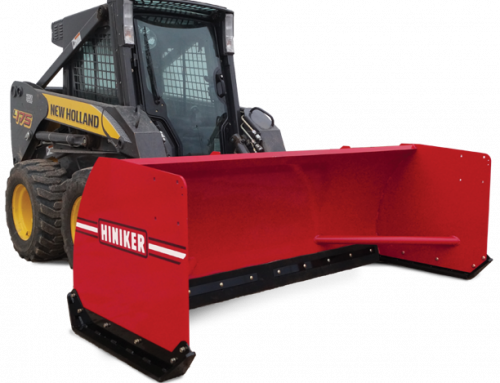
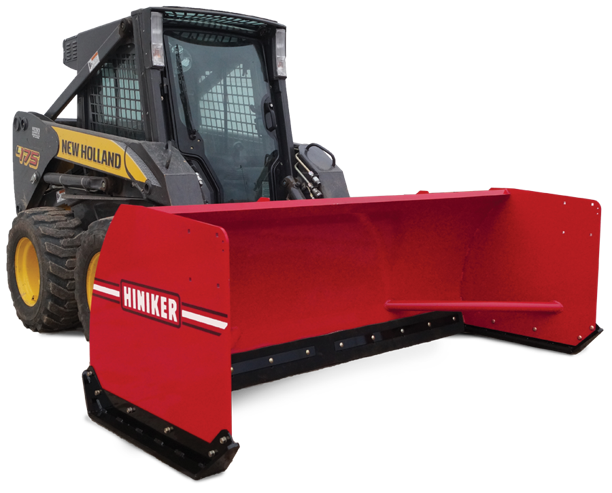
So let’s say you’re running mounted snow pushers. You might see less wear on the blade itself. Pushers distribute force differently than traditional plows. They trap snow and carry it rather than scraping at an angle.
But snow pushers aren’t immune to common issues. The wear still happens over time. Especially when operators cut close to curbs or run back-to-back shifts. That’s why we recommend inspecting pusher shoes and leading edges alongside your blades.
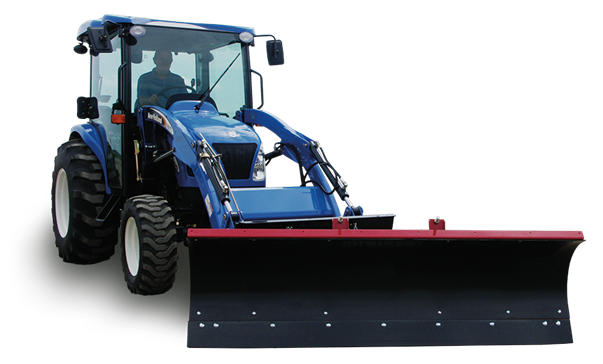
Whether you’re using a Hiniker C-Plow, Scoop Plow, or one of our pull behind snow plows, the principle is the same. Don’t wait for a breakdown to happen. Plan ahead.
What Type of Blade Material Are You Using?
Not all snow plow blades are built the same. We offer options in steel and rubber. And don’t forget about and composite. These are all designed for different applications.
Steel blades are ideal for heavy-duty jobs. They clear tough surfaces quickly but wear faster and hit harder. Rubber blades are quieter. They’re also gentler on surfaces. But they may need replacing sooner. Composite edges offer a middle ground with flexibility and strength.
Choosing the right edge is about more than durability. It’s about how and where you work. A long residential route calls for different equipment than a busy commercial lot.
Other Snow Plow Parts to Watch
Blades don’t work alone. While checking your edge, take a minute to look at your hardware. Are the fasteners corroded? Are any brackets showing signs of stress?
Sometimes the blade isn’t the only part under pressure. If you’re using steel snow plows, inspect the moldboard and trip springs for signs of overuse.
And if you’re running setups with pull behind snow plows, check the tow mount and swivel points. Vibration and ice buildup in those areas can cause problems you don’t notice until the blade fails.
Building a Reliable Winter Setup
Having the right blade is just one piece. The bigger picture is building a snow system that works well. And works as hard as you do.
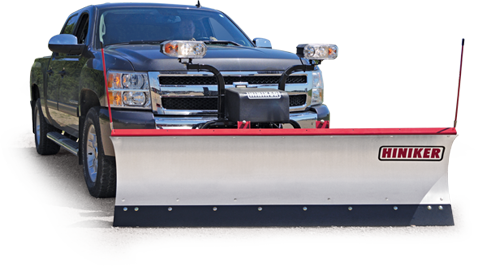
We help operators pair the right plow with the right truck. We do the same for plows and skid steers. That includes advising on blade materials and mounts. We also provide insight on accessories and mounted snow pushers when needed.
There’s no one-size-fits-all solution. A plow that works great on open highways may struggle in tight urban lots. That’s why we take time to understand how and where our customers work before recommending anything.
When your equipment fits your needs, you’ll do more with less. And you won’t need to replace blades mid-season.
Conclusion
If you’re wondering whether your snow plow blades will last the entire season, don’t wait to find out the hard way. Inspect them now. Know what type of blade you’re running. Watch for early signs of wear. And if in doubt, replace it before the next snowstorm hits.
We’ve built our reputation on providing durable, field-tested snow equipment. And it works when you need it most. Whether you’re using plows, pushers, or mounted snow pushers, your blade is the frontline of your entire setup.
Are you looking for premium snow removal equipment and accessories? Contact our team at Hiniker today!

Hiniker has been a proud Minnesota-based manufacturer since 1995. We offer the highest quality salt & sand spreaders, snow plows, skid steers, truck plows, accessories, and more! Our equipment at Hiniker is built to enable the operator to work as efficiently as possible.
Contact us today by calling (800) 433-5620 to find out more about the premium snow removal products we offer. You can also follow us on Facebook for the latest news regarding Hiniker’s premium equipment and accessories.