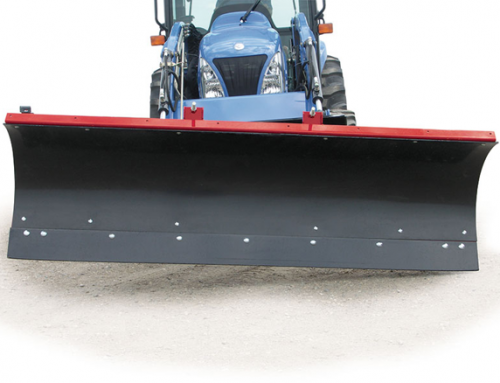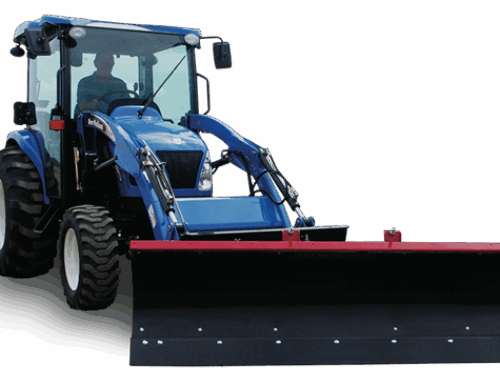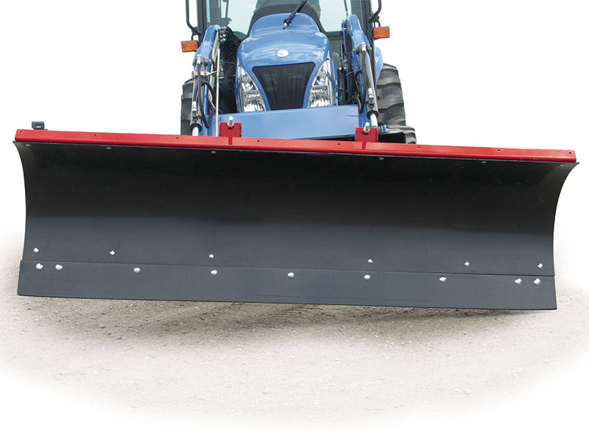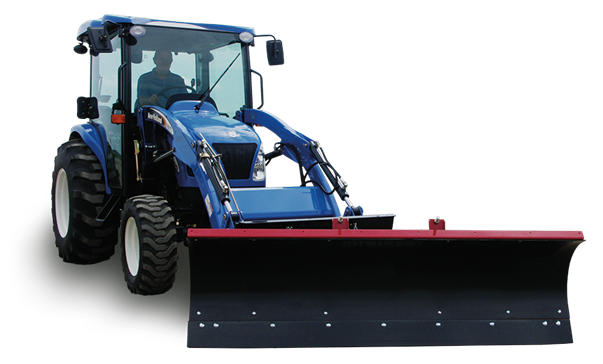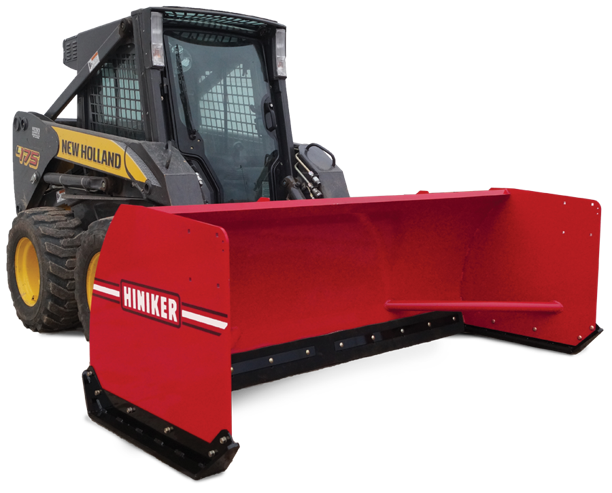
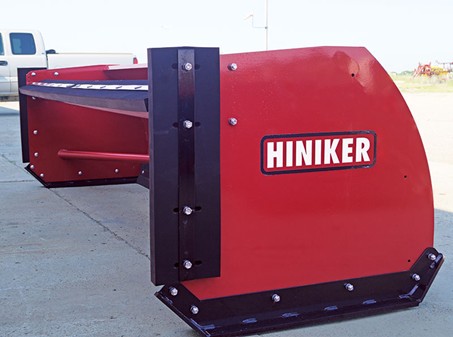
Tractor loader snow plow setups don’t get talked about as often as truck or skid steer equipment, but they’re still a major part of many snow operations. Especially for contractors handling rural properties, large private roads, or municipal work, the choice between a tractor and a skid steer can directly impact how much work gets done in a night.
Both machines can move serious snow. The difference comes down to where and how they’re used, and how efficiently they fit into your overall operation.
Where a Tractor Loader Snow Plow makes more sense
Tractors are built for stability and long runs.
If your work includes:
- Rural properties
- Long private roads
- Wide open areas with fewer obstacles
A tractor setup can be a strong fit.
They’re designed to handle extended operation without constant repositioning. Once you get moving, you can maintain a steady pace across longer distances.
Contractors working with experienced tractor snow plow setups often prefer them for consistency. You’re not constantly adjusting position, you’re covering ground.
Where skid steers outperform tractors
Skid steers are built for maneuverability.
Tight lots, commercial spaces, loading docks, and areas with obstacles all favor a smaller, more agile machine.
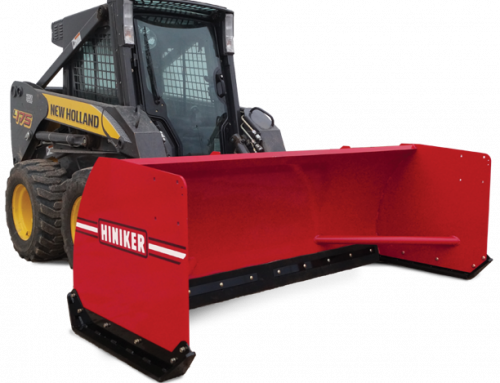
That’s why many contractors rely on skid steer snow plows for commercial work. You can turn quickly, reposition easily, and adapt to changing conditions without losing time.
On properties where space is limited, that flexibility becomes a major advantage.
Speed vs control
This is where the comparison gets interesting.
Tractor loader snow plows can maintain steady speed over long distances. Skid steers sacrifice some of that speed for tighter control.
So the question becomes: what slows you down more?
- Long distances with few obstacles → tractors win
- Tight spaces with frequent turns → skid steers win
Matching the machine to the property type is what keeps your operation efficient.
Attachment options and versatility
Both machines offer a range of attachments.
Tractors often run:
- Loader-mounted plows
- Rear blades
- Pull-behind setups
Skid steers typically run:
- Straight blades
- Pushers
- Specialty attachments
Contractors comparing snow plow blades for tractors often focus on durability and coverage width, while skid steer users look at maneuverability and attachment switching speed.
The right attachment can make a bigger difference than the machine itself in some cases.
Efficiency on large vs mixed properties
Large, open properties tend to favor tractors. Mixed-use properties, where you have open space plus tighter areas, lean toward skid steers. This is why many operations run both.
A tractor handles long pushes and open areas. A skid steer follows up for detail work and tighter sections. Contractors working with skid steer plow dealers often build fleets around this kind of division of labor.

Operator comfort and fatigue
Long shifts matter.
Tractors are generally more comfortable for extended operation. Better seating, smoother ride, and less constant movement can reduce fatigue over a full night.
Skid steers require more active operation. Frequent turning, repositioning, and tighter control can wear on operators faster.
That doesn’t make one better than the other, but it does affect productivity over time.
Maintenance and durability
Both machines are built for heavy use, but they wear differently.
Tractors:
- Fewer abrupt movements
- Less stress from constant turning
- Longer runs between adjustments
Skid steers:
- More frequent direction changes
- Higher stress in tight spaces
- More wear on tires and moving parts
Access to parts and support matters for both. Contractors working with reliable skid steer accessories dealer setups tend to keep downtime lower by having the right components ready when needed.
Cost considerations
Tractors can be more expensive upfront, especially for newer models. Skid steers offer a lower entry point in many cases, but costs can add up with attachments and maintenance over time.
The key is looking at cost per hour of operation, not just purchase price. A machine that finishes work faster or handles more properties can justify a higher upfront investment.
What most contractors end up doing
Very few large operations rely on just one type of machine.
Instead, they build a mix:
- Tractors for long runs and open areas
- Skid steers for tight spaces and detailed work
This combination allows them to handle a wider range of properties without sacrificing efficiency.
So which is better in 2026?
Neither is universally better.
It depends on your route:
- Rural and open → tractors
- Commercial and tight → skid steers
- Mixed → both
The goal isn’t to pick a winner. It’s to match your equipment to your workload. That’s what keeps your operation efficient, and profitable.
FAQs
Are tractors faster than skid steers for snow removal?
On long, open runs, yes. They maintain speed better. In tight areas, skid steers usually move faster overall.
Do I need both a tractor and a skid steer?
If your operation covers different property types, having both can improve efficiency across your route.
Which is better for commercial lots?
Skid steers are typically better for commercial lots due to their maneuverability and control.

Reach out to us online at Hiniker or contact us today by calling (800) 433-5620 to find out more about the premium snow removal products we offer.
We have been a proud Minnesota-based manufacturer since 1995. We offer the highest quality salt & sand spreaders, snow plows, skid steers, truck plows, accessories, and more!
Our equipment at Hiniker is built to enable the operator to work as efficiently as possible.
You can also follow us on Facebook for the latest news regarding Hiniker’s premium equipment and accessories.