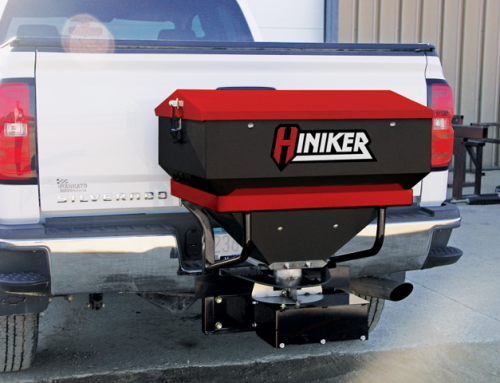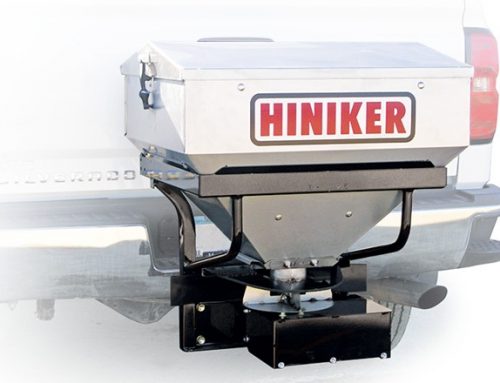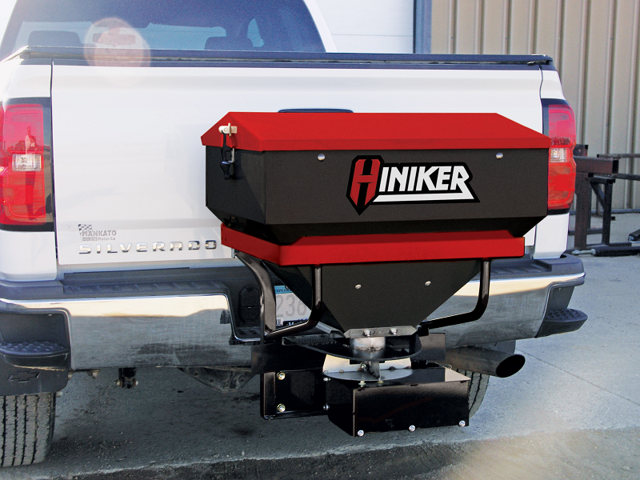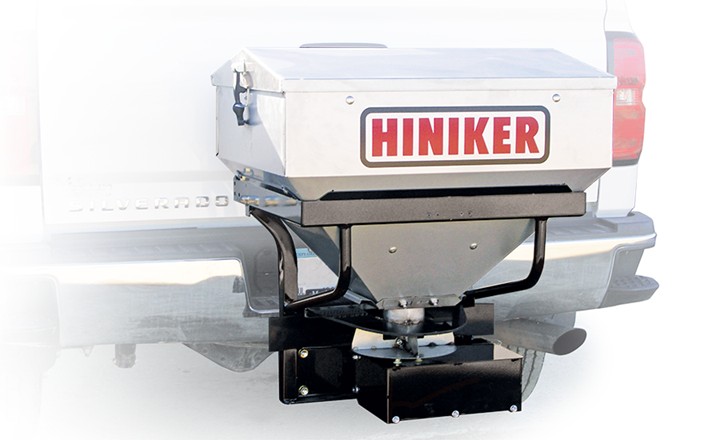
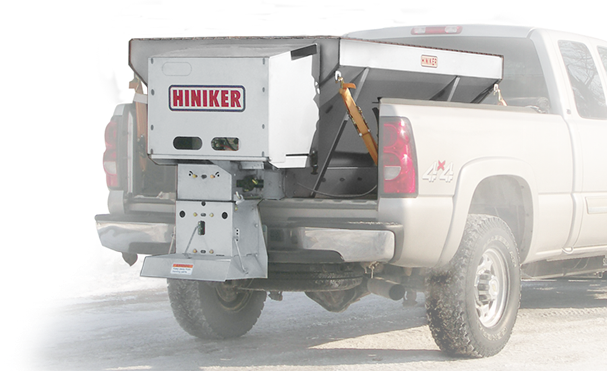
Tailgate spreaders make sense for crews that need a practical way to treat pavement without turning the whole truck into a dedicated salt rig. They sit in that useful middle space between hand spreading and a larger in-bed hopper. For a lot of pickup-based winter work, that is exactly the space that matters. A tailgate unit will not be the answer for every route. If you are covering miles of road or huge lots with heavy material use, capacity may become a problem. But for smaller commercial properties, farm lanes, facility entrances, service drives, and quick spot treatments, the right setup can save time without making the truck harder to use. The real question is not whether bigger is better. It is whether the spreader fits the way the truck actually works during a storm.
Why pickup crews like tailgate spreaders
A pickup is often doing more than one job. It may carry tools, pull a trailer, plow lots, haul supplies, and still need to spread material when ice starts showing up. A full-bed spreader can be useful, but it also takes over space. That is not always practical. Tailgate units keep things simpler. They are often easier to mount, easier to remove, and easier to store than a larger hopper. That matters for crews that do not want winter equipment tying up a truck every day of the season. They also work well when the route is predictable. If you know you are treating a handful of entrances, drives, or smaller lots, you may not need a massive load of material. You need enough capacity, steady flow, and controls that do not make the operator think too hard when the weather is already annoying.
Match the unit to the material
Not every spreader handles every material well. Salt, sand, and blends each behave differently. Dry salt is usually easier to feed. Sand is heavier. Damp material can clump. Once the temperature drops and moisture gets into the pile, weak spots show up quickly. That is why a small sand spreader setup should still be chosen carefully. If the work calls for sand or a blend, the spreader needs to be able to feed that material without constant babysitting. Otherwise, the driver spends more time fixing flow problems than treating pavement. Storage helps too. Covered material flows better. Frozen chunks should be broken up before loading. Lids should stay closed when possible. Good habits are not a replacement for the right equipment, but they do make any spreader work better.
When a dealer can save you trouble
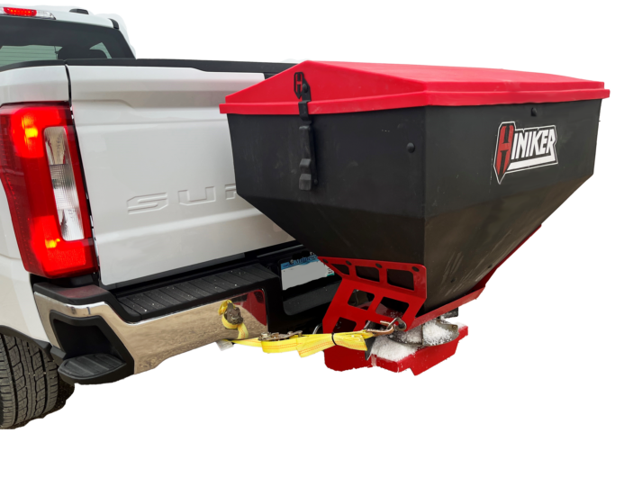
A tailgate spreader dealer can help sort out the things that are easy to miss when you are comparing units online. Mounting, wiring, controller placement, spinner clearance, and truck fit all matter. The dealer should also ask how the truck is used. Does it plow? Does it tow? Does the bed need to stay open? Will the spreader be removed between storms? A setup that is perfect for one pickup may be irritating on another. Parts support is another piece. Tailgate units still work in rough conditions. Salt, cold, vibration, and moisture all take a toll. If a motor, spinner, harness, or cover needs attention during a storm week, you want a clear path to service.
Do receiver hitch units make sense?
A receiver hitch spreader can be a good fit when the route is light and the operator wants a compact setup. These units can be especially handy for spot treatment, smaller properties, and trucks that need to stay flexible. The tradeoff is capacity. A compact unit can only carry so much. If the truck has to cover several properties before reloading, the driver may spend too much time going back for material. That is when a larger tailgate or bed-mounted option starts looking better. Think about the worst normal storm, not the easiest one. If the spreader can handle the kind of night your crew actually sees, it is probably in the right range.
Tailgate spreaders and route timing
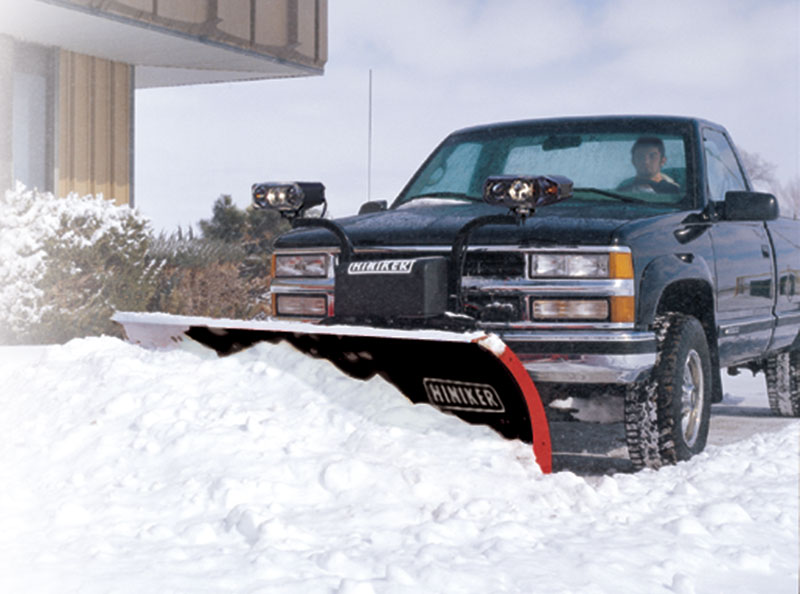
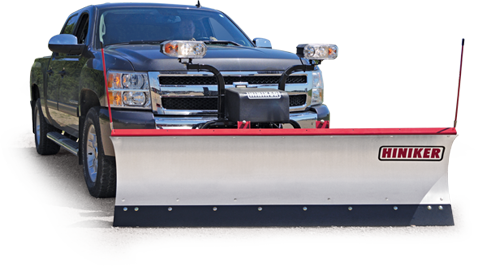
Spreading is all about timing. A plow can clear accumulation, but icy pavement still needs treatment. Tailgate units work well when the operator can move quickly from plowing to spreading without changing trucks or setting up extra equipment. That is especially useful on small commercial routes. Open the drive lanes. Clear the entrances. Treat the high-traffic areas. Move on before the next property gets behind. A compact spreader can make that rhythm easier. Some crews also use salt spreaders for pretreating when conditions are right. That can help keep ice from bonding as hard to the surface. It will not prevent every problem, but it can make cleanup easier once the storm gets going.
The right setup should feel boring in a good way
Good winter equipment does not need to be dramatic. It should load cleanly, spread consistently, clean up without a fight, and store without taking over the shop. If the operator has to fight with it every storm, the size or style is probably wrong. Before choosing tailgate spreaders, ask how much material you normally use, how far the truck travels, and how often reloading is realistic. Also ask who will run it. A setup that feels simple to the main operator is more likely to be used correctly. For some crews, tailgate sanders are the better conversation because traction is the main concern. For others, salt is enough. Either way, the spreader should match the route instead of forcing the route to work around the spreader.
FAQs
Are tailgate spreaders good for commercial lots?
Yes, especially smaller or mid-size properties. They work well when the truck needs to stay flexible and the route does not require a large hopper.
Can a tailgate spreader handle sand?
Some can, but not all. Sand feeds differently than dry salt, so make sure the unit is designed for the material you plan to use.
Is a tailgate unit easy to remove?
Often, yes. That is one reason crews like them. Still, removal depends on the exact setup, mounting style, and how the truck is used.
Reach out to us online at Hiniker or contact us today by calling (800) 433-5620 to find out more about the premium snow removal products we offer. We have been a proud Minnesota-based manufacturer since 1995. We offer the highest quality salt & sand spreaders, snow plows, skid steers, truck plows, accessories, and more! 
Our equipment at Hiniker is built to enable the operator to work as efficiently as possible. You can also follow us on Facebook for the latest news regarding Hiniker’s premium equipment and accessories.