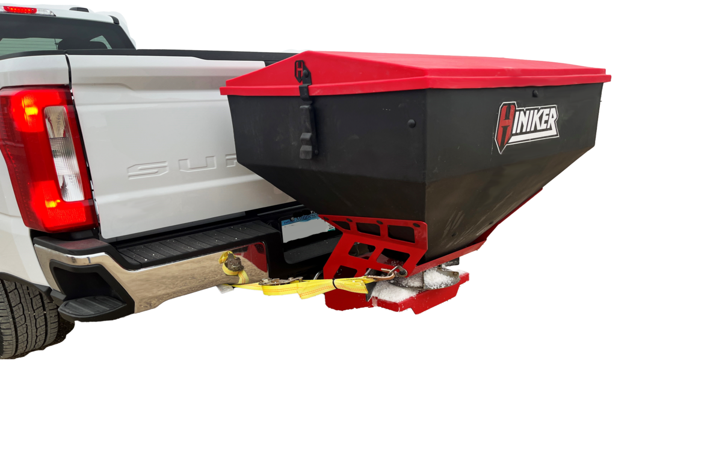
Salter trouble has a way of arriving at the worst possible time. The hopper is full, the pavement is glazing over, and suddenly little or no material is reaching the spinner. The easy assumption is that something mechanical has failed. Sometimes that is true. More often, the real problem started with damp material, a chunk of frozen salt, an incorrect gate setting, or a machine that was put away dirty after the last storm.
A spreader needs three things to work well: material that can flow, a clear path through the hopper, and enough feed action to move that material at a steady rate. When one of those breaks down, turning the controls higher usually does not fix it. It may waste material, overload a component, or hide the original issue for another ten minutes. A better fix starts by figuring out exactly where the flow stopped.
The Material Is Usually the First Suspect
Salt pulls moisture from the air. Leave it exposed long enough and separate crystals begin forming clumps. Bring that material into a warm shop and back into freezing weather, and the freeze-thaw cycle can make things worse. Sand creates its own problems. It can arrive damp, carry larger pieces, or settle into a dense mass that does not feed the way dry salt does.
This is one reason salt & sand spreaders need to be matched to the mix being used. A system that feeds clean rock salt without complaint may not be designed for a heavy blend. Before blaming the machine, look inside the load. If there are hard chunks, excessive moisture, debris, or material larger than the manufacturer allows, the spreader is being asked to solve a storage or screening problem.
Cover material before the storm, keep stockpiles protected, and avoid loading more than the route requires. Material left sitting in a hopper can settle and harden, especially after being carried over bumpy roads.
Where a Salter Commonly Plugs Up
Start at the spinner and work backward. This keeps the inspection simple. With the equipment shut down and secured according to the owner’s manual, check whether packed material is sitting around the discharge opening. Look for a frozen chunk at the gate, buildup on the chute, or something wrapped around the feed mechanism. Never reach into moving equipment or assume a switched-off controller means the system cannot start.
The shape of the blockage offers a clue. A solid mass inside the hopper points toward moisture or material sitting too long. A clear hopper with nothing reaching the spinner may indicate an obstructed gate, a feed problem, or loss of power. Material reaching the spinner but dropping in a narrow pile suggests the spinner itself needs attention.
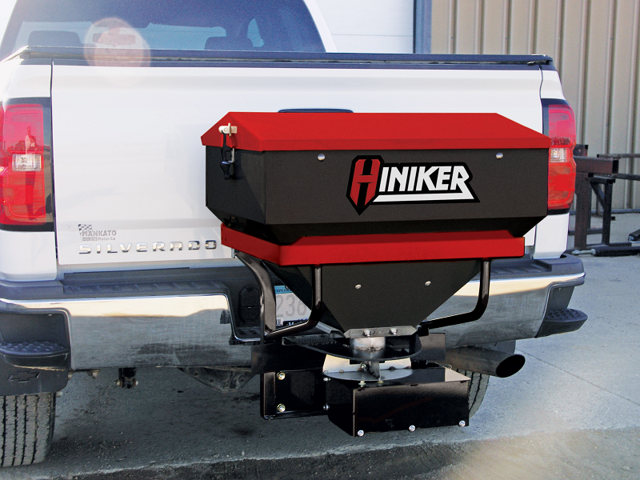
Smaller tailgate spreaders can be easier to empty and inspect, but they are not immune to bridging. A receiver hitch spreader also rides at the back of the truck, where road spray and slush can reach exposed areas. Pay attention to lids, seals, and the way material is loaded rather than assuming a smaller hopper will always stay dry.
Do Not Use the Vibrator as a Cure-All
A vibrator can help break a temporary bridge and keep difficult material moving. It is not a substitute for dry material or the correct feed system. Running it constantly when it is not needed can compact some loads, add electrical demand, and make it harder to notice a developing problem.
The same goes for opening the gate as far as it will go. A wide opening may dump too much product onto the feed mechanism or pavement once the blockage releases. Make one change at a time. Watch what happens at the discharge, then return to a known application setting. That patient approach is faster than chasing three changed settings across the rest of the route.
Before adding an option to the salter, be clear about the problem that option is meant to solve.
Useful salt & sand spreader accessories include material screens, tarps, lights, and vibrators, but each should have a job. A screen keeps oversized pieces out. A tarp helps protect the load. A work light lets the operator see whether material is actually leaving the spinner. Those are small details until a truck is parked beside an untreated lot in freezing rain.
Sometimes It Really Is an Equipment Problem
If the material is loose and the path is clear, check the power supply and drive system. Loose or corroded electrical connections are common in equipment that lives around salt. Inspect connectors, cables, grounds, fuses, and visible wiring using the manufacturer’s troubleshooting steps. A motor that receives poor voltage may run weakly under load even though it appears fine when the hopper is empty.
For hydraulic equipment, confirm the required flow, look for leaks, and check whether the system behaves differently as the oil warms. Belts, chains, bearings, and gearboxes need their specified tension, lubrication, and adjustment. Guessing at those values can create a second problem.
Good salt spreaders are built for ugly weather, but no machine is maintenance-free. If a breaker trips again after being reset, a motor repeatedly stalls, or a hydraulic component behaves erratically, stop forcing it. That is the point to call a dealer or trained technician.
The Five-Minute Cleanup That Saves an Hour Later
Most recurring flow problems can be traced to what happens after the route. Empty leftover material when practical. Wash the hopper, feed system, chute, and spinner as directed, taking care around electrical components. Let the unit dry, inspect it in good light, and touch up damaged coatings before corrosion gets established.
Spin the mechanism by hand only where the manual specifically permits it and the energy source has been isolated. Check fasteners, connectors, and wear points while the equipment is clean enough to see. A post-storm inspection is far more useful than discovering a loose wire after the next hopper has been loaded.
Fix the Cause, Not Just Tonight’s Blockage
When the same salter clogs repeatedly, write down the material, weather, load time, control setting, and location of the blockage. A pattern usually appears. Perhaps the trouble only occurs with an outdoor stockpile, after long highway trips, or when the hopper is packed full. That information gives a dealer something useful to work with.
The lasting answer may be better material storage, a screen, a different loading routine, a wiring repair, or equipment designed for the mix. Clearing the chute gets the truck moving again. Understanding why it plugged is what keeps the next route on schedule.
FAQs
Can wet salt damage a spreader?
It can. Wet material encourages clogs and corrosion, and a severe blockage can place extra load on feed components. Remove it safely, clean the equipment, and follow the manufacturer’s instructions before returning the unit to service.
Should salt be left in the hopper between storms?
Usually not. It can absorb moisture, settle, freeze, and corrode nearby components. Emptying and cleaning the hopper takes time after a long shift, but it is generally easier than breaking apart a hardened load before the next one.
Why does my salter run when empty but stop under load?
That often points to compacted material, a mechanical restriction, or an electrical supply problem that only appears under demand. Do not keep cycling the system. Unload it safely and check the material path, connections, and manufacturer troubleshooting guide.

Reach out to us online at Hiniker or contact us today by calling (800) 433-5620 to find out more about the premium snow removal products we offer. We have been a proud Minnesota-based manufacturer since 1995. We offer the highest quality salt & sand spreaders, snow plows, skid steers, truck plows, accessories, and more!
Our equipment at Hiniker is built to enable the operator to work as efficiently as possible. You can also follow us on Facebook for the latest news regarding Hiniker’s premium equipment and accessories.