A practical guide for snow professionals comparing route performance, equipment fit, and winter readiness.
Start with the way the truck works
Some crews need the truck bed free while others want maximum material close to the tailgate. Winter equipment should be judged as a complete system, with the vehicle or carrier, operator, material, and route considered together. Record bed use, hitch rating, loading method, route length, and required visibility. Those details turn a broad product search into a conversation about real work and make later setup choices easier to defend.
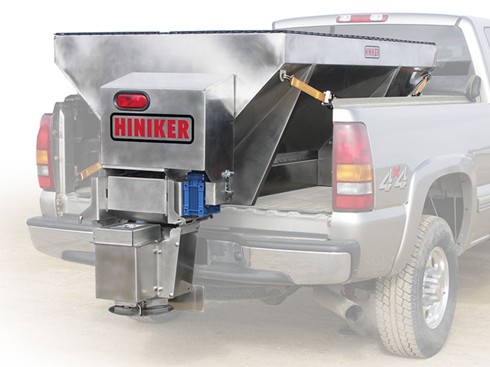
A wise first step is to sketch the complete workday from loading through cleanout. This is also where a tailgate conveyor spreader belongs in the comparison, because a product label matters less than the result it can produce on a cold, busy route. Watch for choosing a mount before considering other truck duties; it can create downtime or poor control after the forecast has already arrived. The target is a setup that does not disrupt the rest of the operation. Write down the setting, load, surface, and weather together so a useful result can be repeated by the next operator.
What the performance of tailgate spreaders should prove in the field
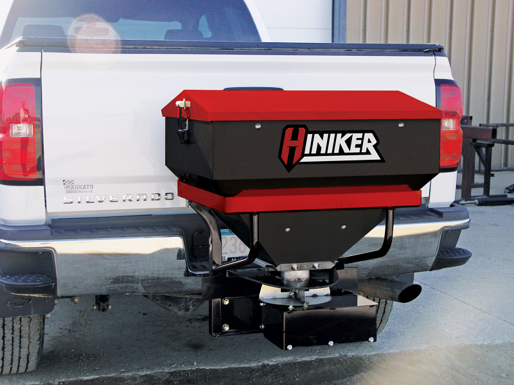
In this case, a compact unit still has to feed evenly through vibration, turns, and stop-and-go work. Check mount stability, controller response, pattern shape, and feed at low hopper levels more than once and under a realistic load. A short stop for inspection often reveals more than another fast pass through an easy section. For tailgate spreaders, that habit matters because a small compatibility or setup problem can repeat at every property.
Use the equipment long enough to test the installed unit with normal material before the first storm. The comparison may also include a tailgate conveyor spreader for a truck. Ask what changes when the temperature drops, the material gets wet, or the route becomes crowded. The common trap is assuming a bench demonstration predicts loaded performance. A better standard is consistent output throughout the route. It keeps the purchase focused on visibility, control, material movement, truck limits, and operator confidence instead of a list of features.
Match feed style to material
Storm conditions rarely stay uniform from dispatch to cleanup. When free-flowing bagged salt and damp bulk mixtures place different demands on the delivery mechanism, the operator needs a setup that is understandable and quick to verify. Use approved materials, particle size, moisture tolerance, and cleanout requirements as the scorecard. Tailgate spreaders should respond predictably when one deliberate adjustment is made, and the work behind the machine should show why that change helped.
A practical routine is to compare systems using the worst material you reasonably expect. Compare the role of a tailgate conveyor delivery spreader at the same moment, especially when it changes weight, clearance, flow, wiring, or the operator’s view. Avoid selecting from price without asking what the machine can feed. The better outcome is fewer interruptions caused by bridging or clumps. Keep the first test controlled, then inspect again after the equipment has reached normal temperature and has worked under a representative load.
Respect payload and leverage
Operators often notice weight placed behind the axle changes steering feel and rear loading only after several stops have been completed. That is why loaded spreader weight, tongue or mounting load, axle limits, and ballast from the plow should be part of the first-route inspection. Equipment can sound normal while output, alignment, or control is changing. Park safely, secure moving components, and compare more than one operating position before deciding that the setup is ready.
Plan to weigh the finished truck in a realistic winter configuration. The role of a tailgate spreader dealer should be evaluated in the same sequence, with the vehicle stopped and the equipment disabled whenever inspection requires it. Do not fall into checking only the hitch class. Aim instead for balanced equipment that remains within ratings. This approach gives every driver a clear baseline rather than a truck full of unexplained adjustments and improvised fixes.
Controls need a repeatable baseline
Capacity is useful only when control and results hold up. Here, small route changes can tempt drivers to chase conditions with constant knob movement. Track vehicle speed, material used per stop, pattern width, and setting changes, then compare the result with the time saved or material used. Winter equipment earns its place by helping the operator maintain an acceptable result through normal changes without constant guesswork. If quality drops, change one setting or condition before adding another variable.
The best test is to calibrate a starting point and write it on the route sheet. Apply the same standard when evaluating a receiver hitch spreader rather than assuming its name guarantees a particular outcome. Be cautious about treating more material as automatic insurance. What matters is repeatable applications and clearer material costs. A documented comparison between two setups is more valuable than a long demonstration with no measurements and no shared definition of success.
Plan for removal and storage
Ownership gets easier when the buying conversation includes the practical issue that compact spreaders are often removed between events or seasons. Confirm lifting points, connector protection, empty weight, stand stability, and storage space and decide who will answer the first question during an overnight event. The final choice should make routine hookup, inspection, cleanout, and service understandable to the people who use it. That practical fit is part of performance, not an extra.
Before committing, practice removal with the proper equipment before winter. Ask how the available configuration affects the decision and what parts, tools, or training should be ready before the season. Avoid improvising lifts around awkward weight; it can make a low purchase price expensive when accounts are waiting. Look for safer handling and a cleaner installation next season. A good purchase leaves the operator with a repeatable starting setup, a safe inspection routine, and a clear source of model-specific support.
Frequently Asked Questions
Are tailgate units only for pickup trucks?
No. Compatibility depends on the specific unit, mount, vehicle ratings, and manufacturer guidance. Confirm the full application rather than relying on a general vehicle category.
Can tailgate spreaders be removed quickly?
Many compact systems are designed with removal in mind, but the process varies. Empty the unit, use approved lifting points or stands, disconnect power correctly, and follow the manual.
Do I still need to calibrate a small spreader?
Yes. Size does not make the application rate predictable. A measured test shows what a particular material, setting, and vehicle speed actually put on the ground.

Reach out to us online at Hiniker or contact us today by calling (800) 433-5620 to find out more about the premium snow removal products we offer. We have been a proud Minnesota-based manufacturer since 1995. We offer the highest quality salt & sand spreaders, snow plows, skid steers, truck plows, accessories, and more!
Our equipment at Hiniker is built to enable the operator to work as efficiently as possible. You can also follow us on Facebook for the latest news regarding Hiniker’s premium equipment and accessories.