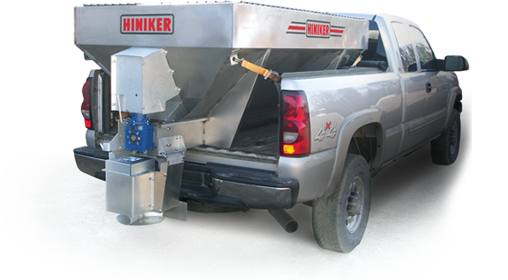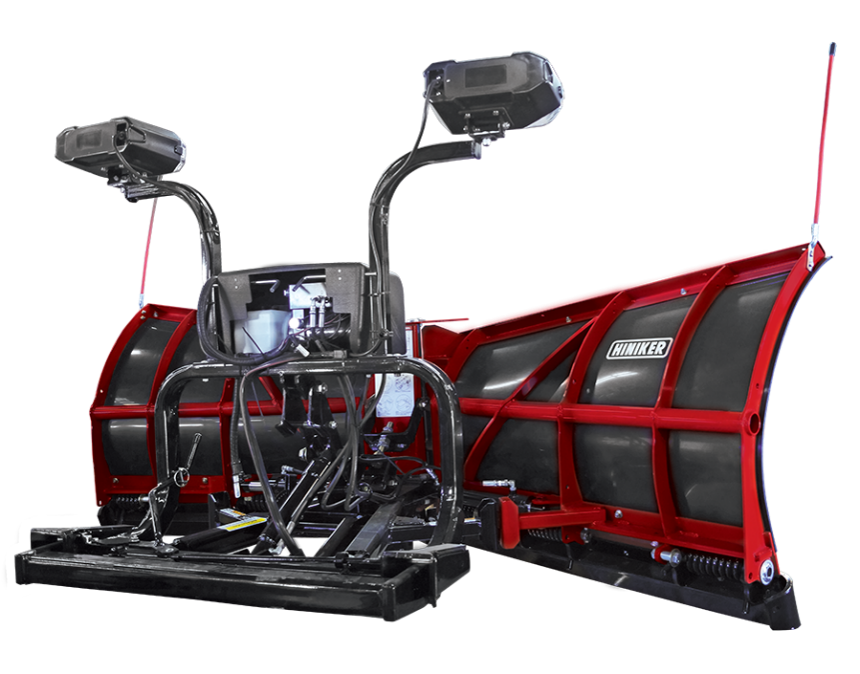
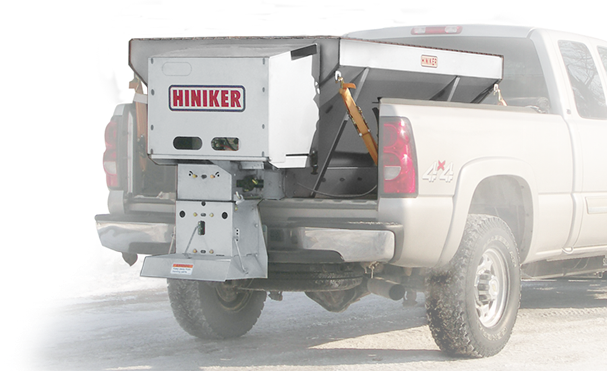
Snow control does not start with a plow. It starts after the surface is cleared, when traction and refreeze become the real problem.
Plowing moves snow out of the way. It does not stop ice from forming. It does not prevent packed snow from turning slick overnight. That is where material spreading becomes necessary.
For most commercial and municipal operations, the equipment that handles this job falls under one category, salt & sand spreaders.
They are not optional add-ons. They are the tools that determine whether a cleared surface stays safe or becomes a liability.
Why spreading equipment matters as much as plowing
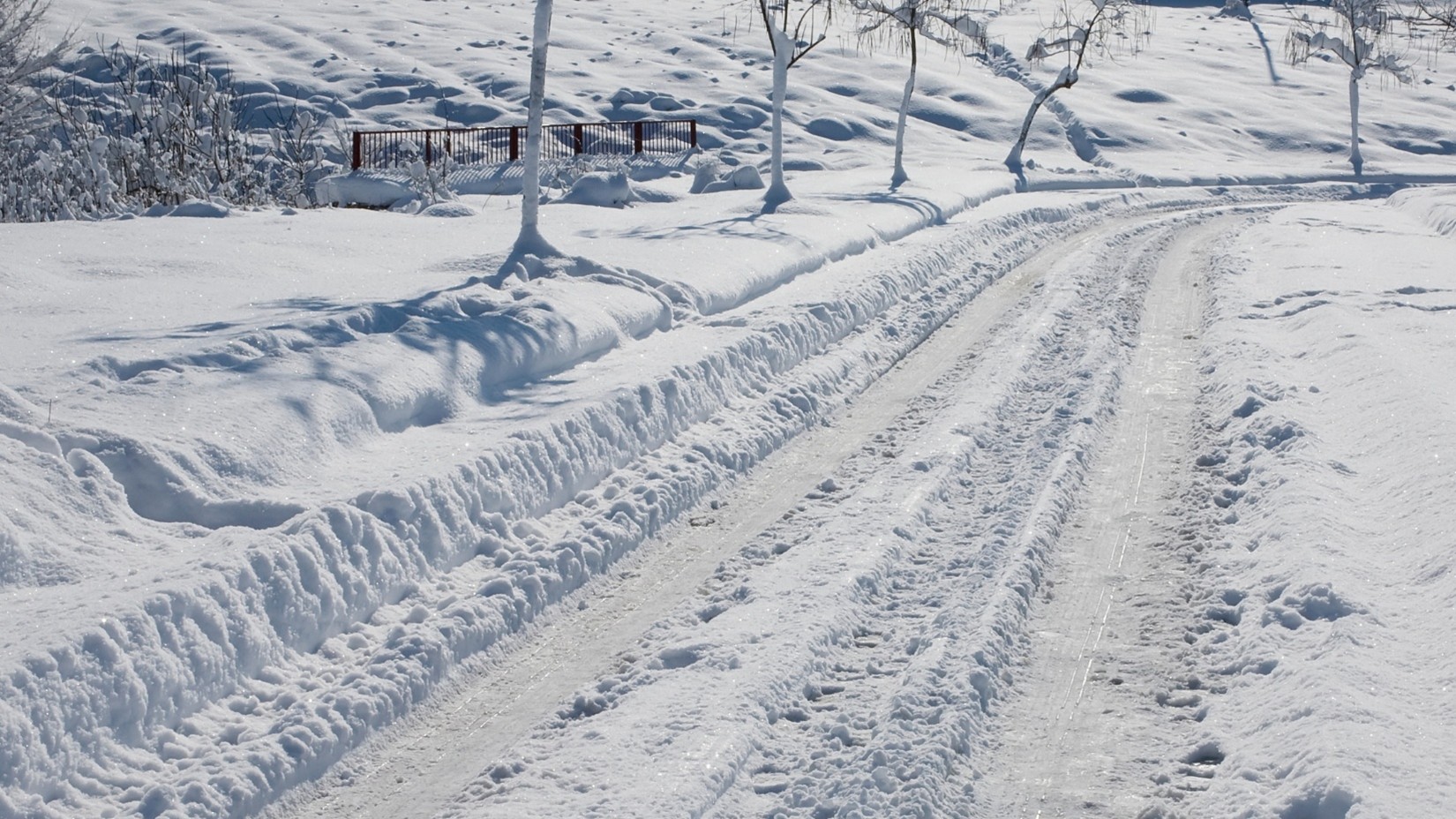
Once snow is pushed aside, surface conditions change quickly. Meltwater refreezes. Traffic packs snow into ice. Wind redistributes moisture.
Without material application, plowing alone leaves surfaces unpredictable.
Salt lowers the freezing point. Sand adds traction. The combination controls surface behavior after the blade is lifted.
That is why spreading equipment is part of complete snow control planning, not a secondary step.
What salt and sand spreaders actually do
A salt or sand spreader meters material at a controlled rate and distributes it evenly across the surface.
Consistency matters. Too little material does nothing. Too much wastes product and creates cleanup issues later.
Modern salt spreaders are designed to control output based on speed and material type. That allows operators to adjust application rates without constant manual correction.
This control is what separates professional snow operations from reactive ones.
Different types of spreaders serve different needs
Not every job requires the same equipment.
Some operations handle large parking lots. Others manage drive lanes or access roads. Equipment choice depends on volume, vehicle type, and material.
A sand spreader focuses on traction. It is often used where temperatures remain too low for salt to be effective or where environmental restrictions limit chemical use.
Combined units handle both materials. That flexibility allows operators to respond to changing conditions without switching equipment.
This is why many fleets rely on sand & salt spreaders rather than single-purpose units.
Mounting style affects how spreaders are used
Spreading equipment is mounted in several ways. Each has trade-offs.
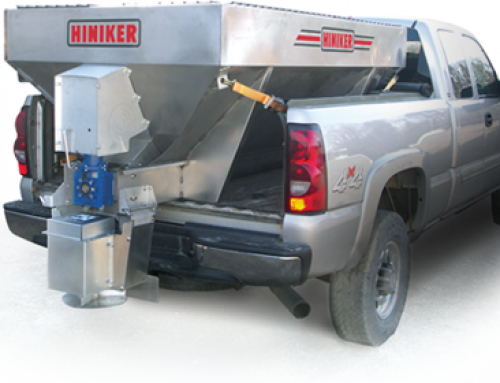
Tailgate-mounted units attach directly to the rear of a truck. They are compact and easy to remove. This makes tailgate spreaders a common choice for smaller trucks and lighter-duty work.
Hitch-mounted units connect at the receiver and sit lower to the ground. A receiver hitch spreader often handles heavier material loads and allows quicker attachment without climbing into the bed.
Choosing between them depends on vehicle configuration, material volume, and how frequently equipment needs to be removed.
Dealer support matters more than people expect
Spreading equipment lives a hard life. Corrosive materials. Moisture. Freezing conditions.
That makes proper setup and support important.
Working with a salt & sand spreaders dealer helps ensure equipment is matched correctly to the vehicle and the job. It also matters for replacement parts, accessories, and maintenance advice.
Poor fit leads to uneven spreading, excessive wear, and operator frustration.
Accessories influence performance
Spreaders are not just boxes with motors. Accessories affect how material flows and how evenly it is distributed.
Spinner designs control spread pattern. Covers protect material from moisture. Controllers manage output rate.
The right salt & sand spreader accessories improve reliability and reduce downtime during storms.
Skipping these details often leads to inconsistent results when conditions are worst.
Matching equipment to conditions prevents waste
One of the biggest mistakes in snow control is using the wrong equipment for the conditions.
Light icing does not require heavy sand application. Deep cold limits salt effectiveness. Traffic patterns affect how material behaves.
The best equipment setup allows operators to adjust quickly. Change rates. Switch materials. Adapt.
That flexibility saves product and improves safety.
What spreading equipment does not replace
Salt & sand spreaders do not replace plows. They do not remove snow. They manage surfaces after clearing.
Expecting a spreader to solve plowing problems leads to poor outcomes.
Used correctly, spreaders extend the effectiveness of plowing and keep surfaces predictable.
Why spreading equipment is a long-term investment
Snow control happens every season. Equipment that spreads material evenly and reliably reduces repeat applications and call-backs.
Over time, that consistency lowers operating costs and improves outcomes.
That is why spreading equipment selection matters as much as plow selection.
FAQ
What equipment is used to spread salt and sand?
Salt and sand spreaders are designed specifically for controlled material application.
Is a salt spreader different from a sand spreader?
Yes. Salt spreaders focus on melting ice. Sand spreaders add traction.
What is the advantage of a tailgate spreader?
It is compact and easy to remove for lighter-duty applications.
When should a hitch-mounted spreader be used?
When heavier material loads or quick attachment is needed.
Why work with a dealer for spreaders?
Dealers help match equipment, provide support, and ensure reliable performance.

Reach out to us online at Hiniker or contact us today by calling (800) 433-5620 to find out more about the premium snow removal products we offer.
We have been a proud Minnesota-based manufacturer since 1995. We offer the highest quality salt & sand spreaders, snow plows, skid steers, truck plows, accessories, and more!
Our equipment at Hiniker is built to enable the operator to work as efficiently as possible.
You can also follow us on Facebook for the latest news regarding Hiniker’s premium equipment and accessories.
[/fusion_text][/fusion_builder_column][/fusion_builder_row][/fusion_builder_container]