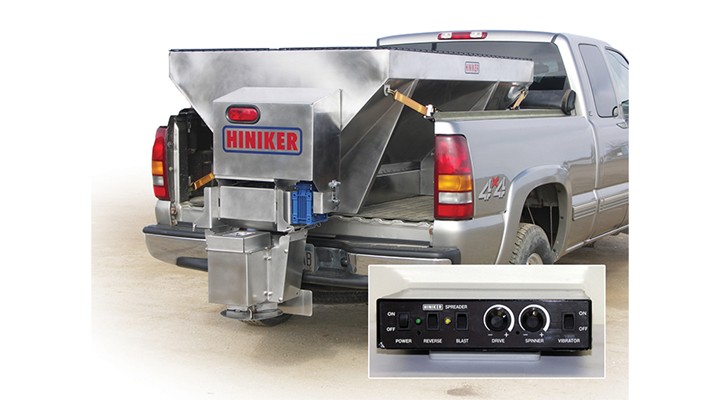
Contractors usually replace spreaders for one of two reasons. It failed. Or it became unreliable enough that they didn’t trust it heading into another season.
If you’re investing in a commercial salter, the real question isn’t how long it can last in perfect conditions. It’s how long it holds up under repeated storms, heavy material loads, and constant vibration. Let’s talk about real-world lifecycle expectations.
The average lifespan in commercial use
For contractors running consistent winter routes, a well-maintained unit sourced from a reliable salt & sand spreaders dealer typically lasts 5 to 8 seasons.
That range depends on:
- Material type (salt vs sand)
- Storm frequency
- Storage conditions
- Maintenance discipline
- Load volume per event
Light residential use may stretch beyond that. Heavy municipal-style operation may shorten it. Five seasons is common before noticeable wear begins affecting consistency.
What actually wears out first
The hopper rarely fails first. Frames hold up. Poly bodies resist corrosion well. Structural fatigue usually appears later.
The early wear points tend to be:
- Electric motors
- Hydraulic pumps (if equipped)
- Spinner assemblies
- Bearings
- Wiring harnesses
Commercial-grade salt spreaders are built to handle vibration, but salt exposure accelerates corrosion around connectors and fasteners. Electrical degradation is one of the most common causes of mid-life replacement.
Material type affects longevity
Not all deicing material stresses equipment equally. Dry rock salt flows more freely and places less torque demand on drive components.
A heavy, wet load in a sand spreader increases internal resistance. Augers work harder. Motors strain longer. Over several seasons, that difference matters.
If you primarily run sand or salt/sand blends, expect more aggressive wear on drive systems compared to straight salt applications.
Tailgate units vs larger hopper systems
Compact tailgate spreaders often see higher vibration levels because they’re mounted at the rear and fully exposed.
That vibration accelerates wear on:
- Spinner shafts
- Motor brackets
- Electrical connectors
Larger in-bed systems distribute load weight differently and may experience slower structural fatigue, though their drive systems still require consistent inspection. The type of mounting setup influences lifespan almost as much as build quality.
The receiver hitch question
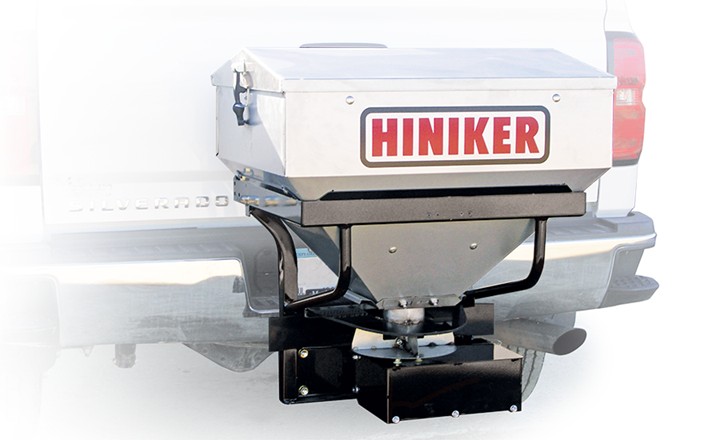
A receiver hitch spreader offers flexibility for smaller fleets. They’re easy to install and remove. They’re practical for light commercial routes.
But because they’re compact and weight-limited, operators sometimes overload them to meet route demand. That overload shortens motor and auger lifespan quickly.
Used within rated capacity, they can easily last five or more seasons. Pushed beyond it, they may show wear by year three.
Corrosion is the silent timeline
Salt exposure never stops working. Even when equipment sits between storms, residual material draws moisture. Corrosion begins at small points and spreads.
Contractors who rinse equipment regularly extend lifespan noticeably.
Those who park equipment without washing often see premature rust at:
- Weld seams
- Fasteners
- Electrical connectors
Corrosion doesn’t cause immediate failure. It reduces reliability gradually. By season five, the difference between washed and unwashed equipment is obvious.
Signs your salter is nearing end-of-life
Watch for:
- Inconsistent spread pattern despite controller calibration
- Repeated motor replacement
- Frequent bearing noise
- Excessive vibration
- Frame rust penetrating beyond surface level
When repair frequency increases season over season, replacement becomes financially smarter than patchwork fixes.
A commercial salter that requires constant in-season attention erodes margin quickly. Downtime during a storm costs more than planned replacement in the offseason.
Repair vs replacement economics
Let’s say you’re entering season six. If preseason repairs exceed a quarter to a third of replacement cost, upgrading makes sense.
Newer units from established salt & sand spreaders dealer often include improved motor efficiency and corrosion-resistant hardware compared to older designs. Long-term ROI favors planned upgrades over reactive breakdown replacements.
Can a salter last 10 seasons?
Yes. But not under heavy commercial workload without disciplined maintenance.
Light-use fleets, indoor storage, and strict cleaning routines extend lifespan beyond the typical range. High-volume contractors running multiple storms per month will usually rotate units sooner.
A realistic expectation for serious commercial work is 5 to 8 seasons before reliability begins to taper. Planning replacement around year five allows budgeting flexibility instead of emergency purchasing.
Lifecycle strategy for growing fleets
Profitable contractors treat spreading equipment like any other revenue tool.
They:
- Track repair costs annually
- Schedule preseason inspections
- Rotate equipment before failure becomes routine
- Work closely with a trusted salt & sand spreaders dealer
That approach protects both uptime and reputation. Because when deicing fails, clients notice immediately.
FAQs
How many seasons should a commercial salter last?
Most units in consistent commercial use last between five and eight seasons with proper maintenance.
Does washing equipment really extend lifespan?
Yes. Removing salt residue slows corrosion and protects electrical components.
Is it better to repair or replace after five seasons?
If repair costs begin stacking up and reliability drops, planned replacement is usually more cost-effective long term.

Reach out to us online at Hiniker or contact us today by calling (800) 433-5620 to find out more about the premium snow removal products we offer.
We have been a proud Minnesota-based manufacturer since 1995. We offer the highest quality salt & sand spreaders, snow plows, skid steers, truck plows, accessories, and more!
Our equipment at Hiniker is built to enable the operator to work as efficiently as possible.
You can also follow us on Facebook for the latest news regarding Hiniker’s premium equipment and accessories.