Price is the first question every contractor asks. Not brand. Not blade shape. Not mounting system. What does it cost?
The better question is what it costs over five seasons — not the number on the invoice the day it leaves a snow plow dealer. Because purchase price is only one piece of the equation.
If you’re evaluating equipment seriously, you need to look at real-world operating cost, maintenance patterns, downtime risk, and revenue capacity. That’s what determines whether a commercial plow pays for itself — or quietly drains margin. Let’s break it down.
Upfront purchase price
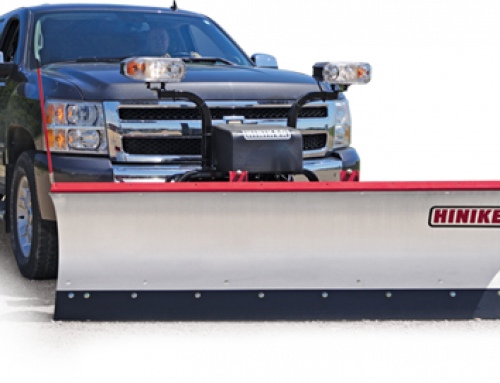
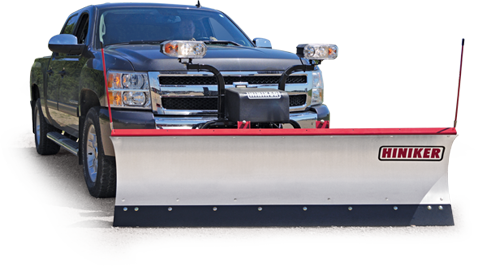
A new commercial-grade truck blade typically ranges between mid-four figures and low five figures depending on size, configuration, and mounting hardware.
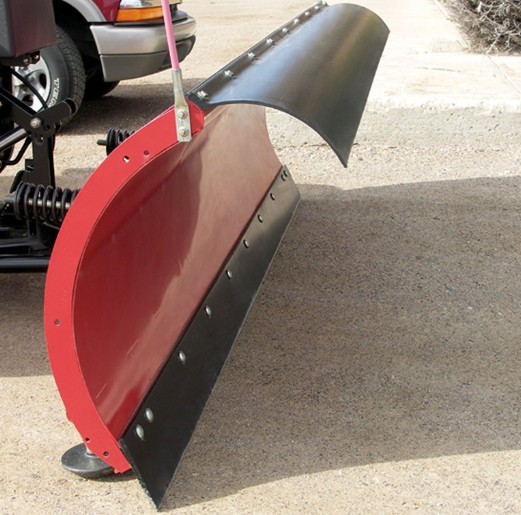
A straight blade sits on the lower end. A v-plow runs higher because of additional hydraulics and articulation points. Larger containment-style units and specialty configurations cost more still. Mounting kits, wiring harnesses, and controller systems add to the total.
Buying from established snow plow dealers often includes setup, inspection, and installation support. That reduces early mechanical issues that can show up when installation shortcuts are taken. The purchase price is visible. The long-term cost isn’t.
Installation and setup costs
If installation isn’t bundled, labor charges apply. Mount alignment, electrical integration, hydraulic testing, and control calibration all take time.
Improper installation causes many of the “brand problems” contractors complain about later. Loose connections, poor grounding, or incorrect torque specs create downtime during storms.
Working with an experienced snow plow dealer reduces that risk. Expect several hundred to a few thousand dollars in setup depending on configuration and truck compatibility.
Seasonal maintenance
Here’s where ownership cost becomes clearer.
Commercial snow plows require:
- Hydraulic fluid checks
- Hose inspections
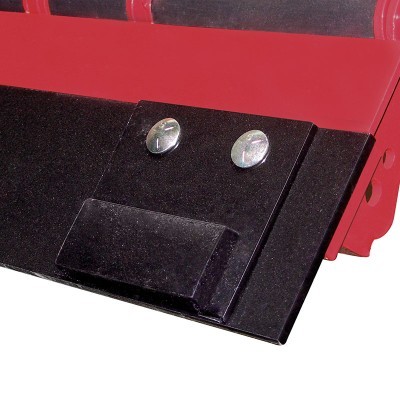
- Cutting edge replacement
- Electrical connector cleaning
- Greasing pivot points
Cutting edges wear predictably. High-use contractors often replace them annually. Hydraulic hoses may last several seasons if maintained. Electrical corrosion is common in salted environments and causes many in-season failures.
Routine pre-season service usually costs a few hundred dollars per unit. Reactive repairs during storms cost far more — both in parts and lost route time.
Downtime cost per storm
Downtime rarely shows up on equipment quotes. It shows up on payroll. If a plow goes down during a storm, you’re paying a driver who isn’t clearing snow. You may be sending another truck to cover the account. You may lose the contract entirely.
That’s why working through reputable snow plow dealer with stocked inventory matters. Even a four-hour delay during a heavy snowfall can erase profit from several accounts.
The role of a snow pusher in total cost
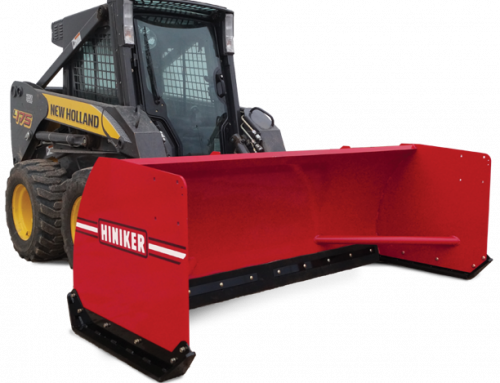
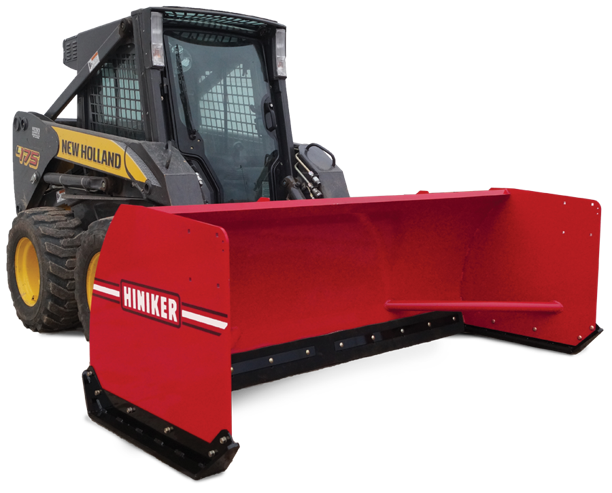
Here’s something many contractors overlook when calculating five-year ROI. If your accounts include large open lots, adding a snow pusher to a loader can shift your cost structure dramatically.
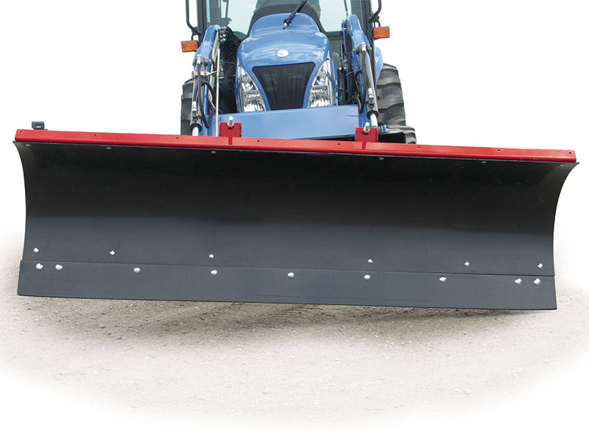
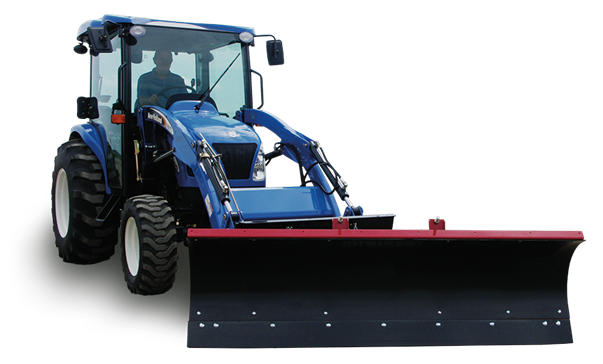
Instead of relying solely on truck blades, containment equipment moves greater snow volume per pass. That reduces truck fuel use, driver hours, and repeated site visits.
A snow pusher isn’t cheap. But in high-volume commercial work, it can increase route capacity enough to offset its cost quickly.
Many profitable fleets run a mix:
- Truck-mounted plows for mobility
- Loader containment units for bulk clearing
That combination changes total equipment ROI more than upgrading from straight blade to V configuration alone.
For contractors scaling into bigger contracts, introducing a snow pusher often improves long-term margin faster than replacing existing truck equipment.
Five-year ROI calculation
Let’s outline a simplified example.
Assume:
- Initial equipment cost: $9,000–$12,000
- Annual maintenance: $500–$1,200
- Five-year service life
- 15 storm events per season
- 20 commercial accounts per route
If efficient equipment reduces site time by even 10 percent, that may allow one additional account per route cycle.
One added commercial account could produce several thousand dollars per season. Across five winters, that revenue can exceed total equipment cost. That’s why the conversation should focus on productivity per hour, not sticker price.
Replacement and resale
Commercial plows hold resale value when maintained. Five-year-old equipment in solid condition still carries market demand. Neglected equipment doesn’t.
Hydraulic leaks, rusted frames, and electrical failures reduce resale dramatically. Preventive service protects both uptime and asset value. Most contractors rotate equipment between year five and seven depending on usage intensity.
So what does a commercial snowplow really cost?
It costs:
- The purchase price
- Installation labor
- Annual maintenance
- Occasional repair
- Downtime if poorly supported
It earns:
- Revenue per cleared account
- Time savings per route
- Capacity expansion
- Contract retention
When evaluated over five seasons, the difference between good and average equipment often comes down to support network and configuration choice.
Talk with experienced snow plow dealers who understand commercial workloads. Calculate productivity impact before comparing price tags.
And if your accounts include high-volume open properties, consider whether adding a c-plow changes your math more than upgrading your truck blade alone. Profit hides in route efficiency. Not in invoice totals.
FAQs
How long should a commercial snow plow last?
With consistent maintenance, five to seven seasons is common in commercial use.
Are v-plow models more expensive to maintain?
They have more moving components, which may increase inspection needs, but maintenance cost depends on usage patterns.
Does adding a snow pusher really improve ROI?
For large commercial lots, yes. A snow pusher can reduce total passes and increase route capacity significantly.
Reach out to us online at Hiniker or contact us today by calling (800) 433-5620 to find out more about the premium snow removal products we offer.
We have been a proud Minnesota-based manufacturer since 1995. We offer the highest quality salt & sand spreaders, snow plows, skid steers, truck plows, accessories, and more!

Our equipment at Hiniker is built to enable the operator to work as efficiently as possible.
You can also follow us on Facebook for the latest news regarding Hiniker’s premium equipment and accessories.