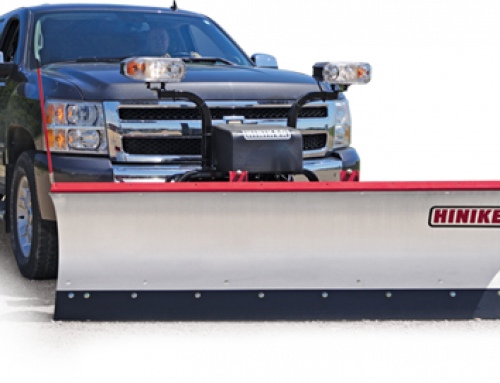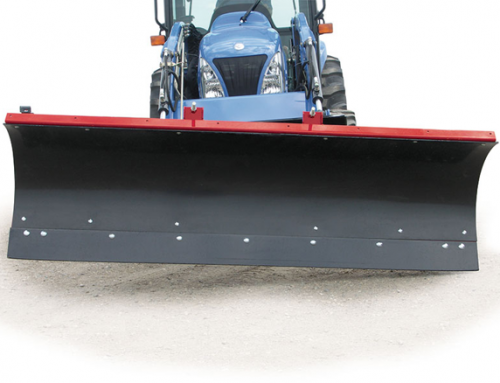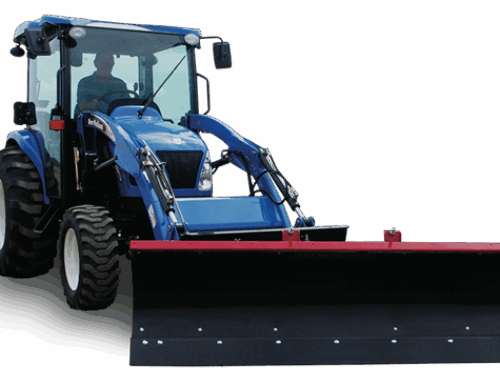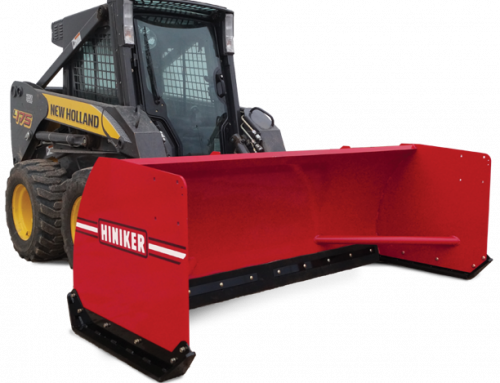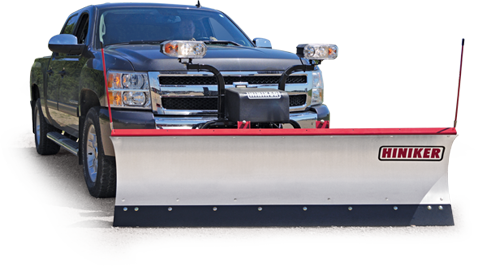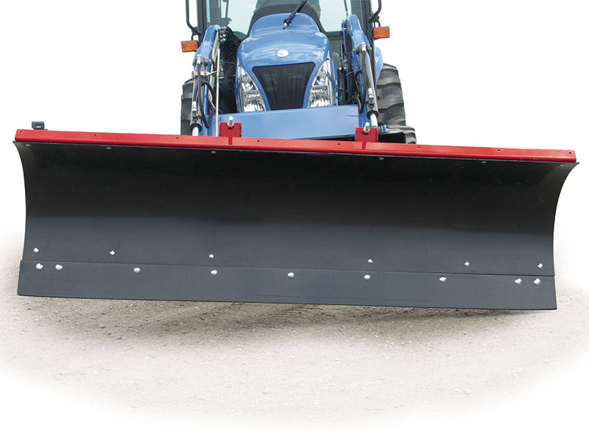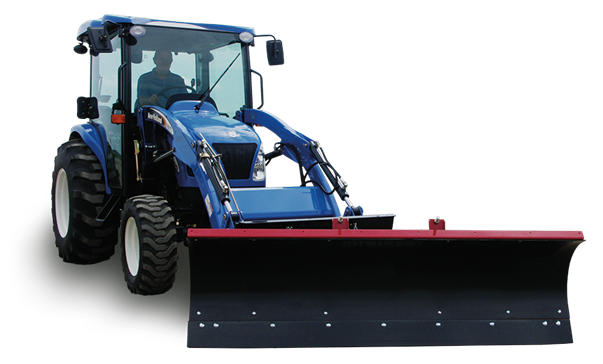
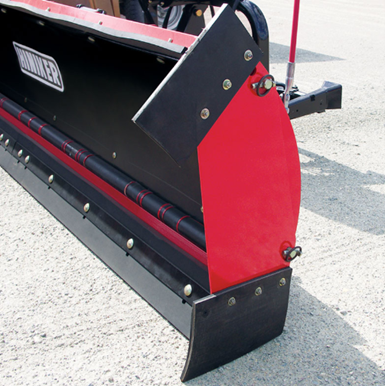
Snow plow blades are where most decisions start when you’re trying to choose between a V-plow and a straight blade. On paper, they both push snow. In real conditions, they behave very differently.
If you’ve ever felt like your plow works great on one job but slows you down on another, this is usually why. The blade style changes how you move snow, how many passes you need, and how much control you have. Choosing the right one isn’t about preference. It’s about matching the tool to the work.
What a Straight Blade Does Well
Straight blades are simple. That’s part of why they’re still widely used.
They’re best at:
- Basic pushing
- Clearing open areas
- Creating clean windrows
With fewer moving parts, they’re easier to maintain and operate. For straightforward jobs, they get the job done without much adjustment. If most of your work involves open lots with minimal obstacles, straight blades can be a reliable option.
Where Straight Blades Fall Short
The simplicity comes with trade-offs.
Straight blades don’t:
- Contain snow well
- Adapt to changing conditions
- Handle deep or uneven snow as efficiently
That usually means more passes and more repositioning, especially when snow starts piling up or space becomes limited. Over time, those extra movements slow your entire route.
What Makes a V-Plow Different
A v-plow changes how you approach the job.
Instead of one fixed position, you get multiple configurations:
- V position for breaking through deep snow
- Straight position for standard plowing
- Scoop position for carrying snow
That flexibility allows you to adjust on the fly instead of working around the limitations of the blade.
Breaking Through Deep Snow Faster
One of the biggest advantages of a V-style blade is how it handles heavy snowfall. In V position, the blade cuts through snow instead of pushing a full wall in front of it. That reduces resistance and keeps your truck moving. Straight blades tend to struggle more in these conditions, often requiring shorter passes or multiple attempts.
Carrying Snow Instead of Losing It
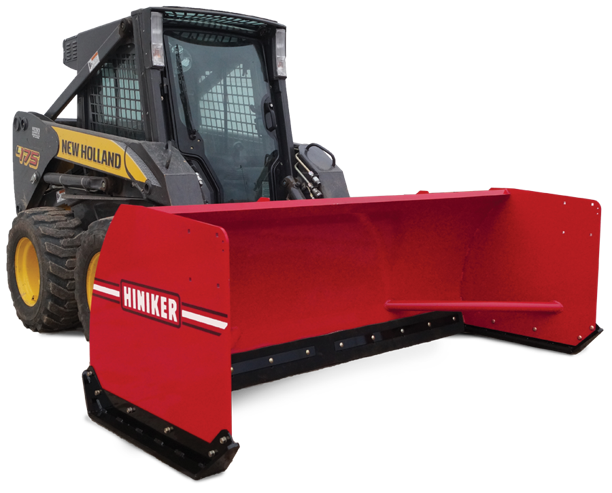
When you switch a V blade into scoop mode, it acts similarly to a snow pusher.
This helps you:
- Contain snow
- Move it longer distances
- Reduce spill-off
That’s especially useful in parking lots where you need to relocate snow instead of just pushing it aside. Straight blades can’t do this, which often leads to cleanup passes.
Efficiency Comes Down to Fewer Passes
Every extra pass adds time.
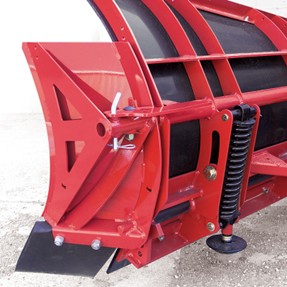
Because a V-plow adapts to different situations, it often clears areas in fewer movements.
Instead of:
- Push → reposition → push again
You can:
- Break through → scoop → place
That reduction in steps becomes noticeable across multiple properties.
Backdragging and Tight Areas
Neither option is perfect for back dragging, but technique and setup matter. Using a back drag plow or proper blade positioning can improve results with both styles. That said, V-plows tend to offer slightly more flexibility when working around tight areas or obstacles.
Visibility and Control Still Matter
No matter which blades you choose, visibility affects performance.
Upgrading with snowplow headlights helps you:
- See edges clearly
- Avoid obstacles
- Reduce missed spots
Better visibility leads to cleaner work and fewer corrections.
Maintenance and Durability
Both blade types rely on proper upkeep. Keeping up with snow plow parts ensures your equipment responds the way it should during a storm. Straight blades may have fewer components, but V-plows require regular checks on hydraulics and moving sections. Skipping maintenance leads to slower performance either way.
Getting the Right Fit for Your Work
There’s no universal answer.
Working with experienced snow plow dealers helps you choose based on:
- Property types
- Snow conditions
- Route size
- Equipment setup
They can point toward what actually fits your workload instead of guessing.
Which One Should You Choose?
Straight snow plow blades makes sense if:
- Your jobs are simple and open
- You want a straightforward setup
- You don’t need much flexibility
A V-plow is better if:
- You handle varied conditions
- You want to reduce passes
- You need more control over snow placement
The more complex your work becomes, the more valuable that flexibility is.
FAQs
Is a V-plow better than a straight blade?
Sometimes. A V-plow offers more flexibility and can reduce passes, but a straight blade works well for simpler jobs.
Do V-plows require more maintenance?
Yes, slightly. They have more moving parts, so keeping up with snow plow blades and components is important.
What’s best for residential snow removal?
Both can work. Straight blades are simpler, while V-plows offer more control if conditions vary.

Reach out to us online at Hiniker or contact us today by calling (800) 433-5620 to find out more about the premium snow removal products we offer.
We have been a proud Minnesota-based manufacturer since 1995. We offer the highest quality salt & sand spreaders, snow plows, skid steers, truck plows, accessories, and more!
Our equipment at Hiniker is built to enable the operator to work as efficiently as possible.
You can also follow us on Facebook for the latest news regarding Hiniker’s premium equipment and accessories.