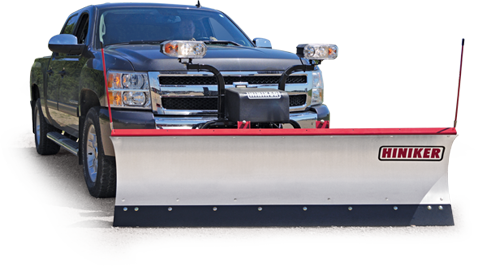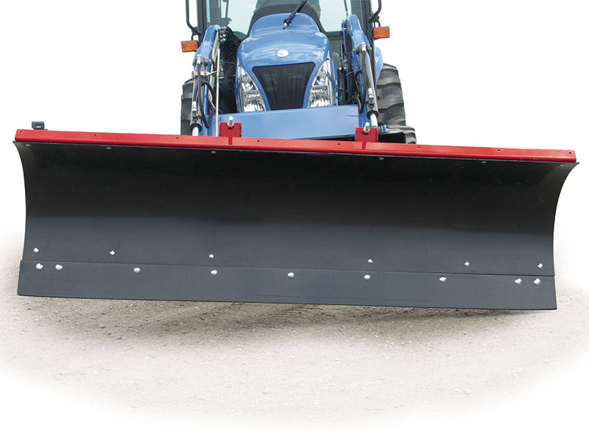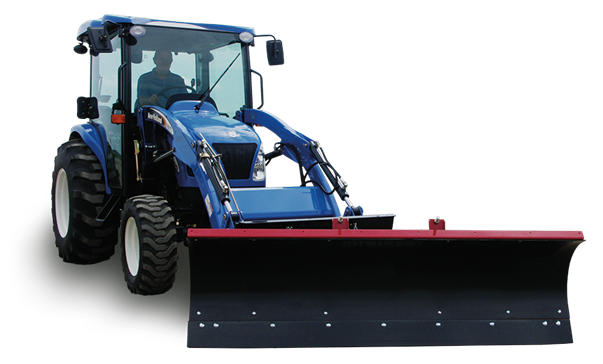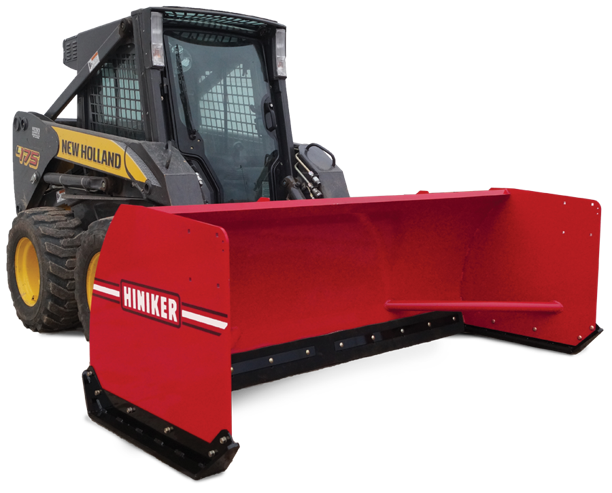
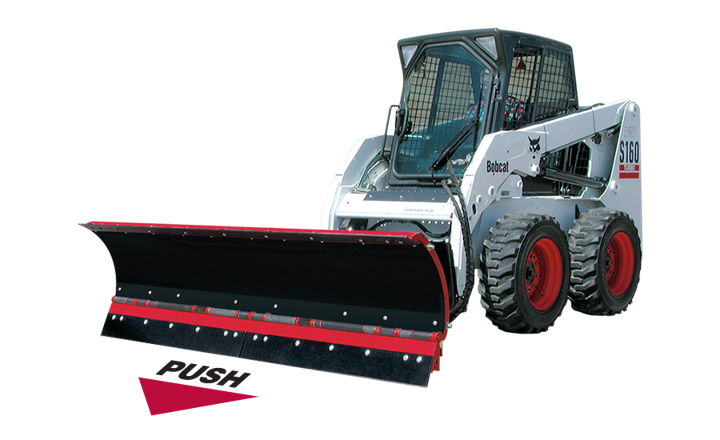
Snow plow blades do a lot more than push snow out of the way. The blade shape, width, trip style, cutting edge, and vehicle match all change how the plow feels in real work. That matters when you are clearing a lot before customers arrive, opening a farm lane, or trying to keep a route moving after the snow gets wet and heavy.
A lot of buyers start with size. That is fair, but size is only part of the decision. A blade that is too wide can make the truck harder to handle. A blade that is too narrow can leave you making extra passes all night. The right choice comes from looking at the truck, the properties, and the snow you deal with most often.
Start with the truck, because it sets the limits
The truck decides more than people think. Front axle rating, suspension, vehicle weight, mount compatibility, and electrical capacity all matter. A plow might technically fit, but that does not always mean it is a good match.
This is one reason working with snow plow dealers helps. A good dealer will not just ask what looks good on the front of the truck. They will ask how the truck is used, where it plows, and whether it carries salt, tools, or other winter equipment too.
The goal is not to overload the truck. The goal is to build a setup that works cleanly when the storm is at its worst.
Think about the places you clear
A wide open parking lot is different from a tight driveway. A dealership lot is different from a church lot. A long lane is different from a loading dock area with curbs, signs, and parked trailers everywhere.
If you clear open spaces, wider blades can save time. If you work in tight areas, a smaller or more maneuverable setup may make the job easier. The best plow is not always the biggest one. It is the one that lets the driver work without fighting the truck.
Some buyers look at snow plows as if they all do the same job. They do not. The job changes with every property.
When snow plow blades need extra strength
Snow is not always fluffy. It can be wet, packed, frozen, or piled up by traffic before you get there. That is where blade construction starts to matter. A lighter setup may be fine for occasional use, but commercial or repeated work asks more from the equipment.
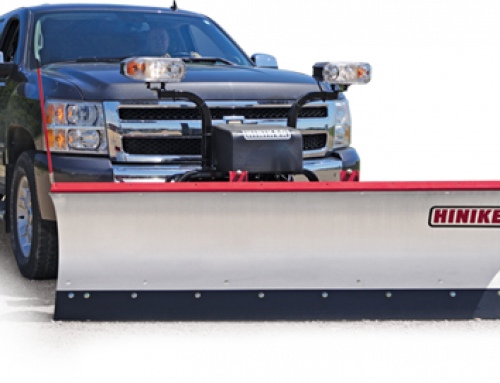
Steel snow plows are a common choice when durability is high on the list. They can handle tough work and give the driver confidence when the snow gets heavier. Like everything else, though, they still need to be matched to the vehicle.
Do not buy strength in a vacuum. Buy the strength your route needs and your truck can safely carry.
Blade shape changes the way snow moves
Straight blades are familiar and practical. They work well for a lot of buyers and are often the right answer for simple routes. But other blade styles can help with specific jobs.
A V-Plow can be useful when you need to break through deeper snow or change blade position for different parts of a property. It gives the operator more options than a basic straight blade.
A C-Plow can also make sense for certain work, especially where backdragging and tighter control matter. The point is not that one style wins everywhere. The point is to pick the style that matches the properties you actually clear.
Do not ignore the cutting edge
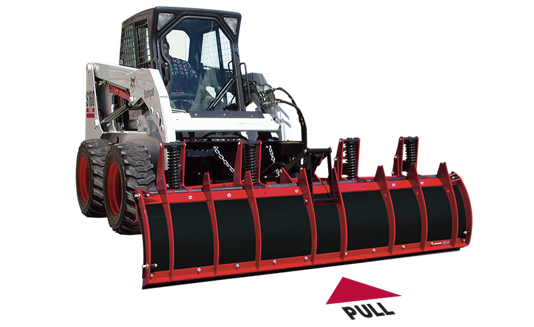
The cutting edge is one of those parts people forget until it matters. It affects scraping performance, wear, pavement contact, and how clean the finished pass looks. If you clear lots where refreeze is a problem, a cleaner scrape can make a real difference.
Ask about replacement edges, wear parts, and how the blade is serviced. Plows are not delicate, but they still need care. Pins, springs, hydraulics, edges, and mounts all deserve attention before winter starts.
A plow that is easy to maintain is more likely to be maintained. That sounds simple because it is.
How to compare snow plow blades before buying
Compare blade width, weight, trip design, construction, vehicle fit, controls, service support, and the type of properties you clear. Try to picture the worst part of your route. The tightest turn. The heavy pile at the end of a drive. The loading dock that always drifts shut.
That picture will tell you more than a brochure.
The right blade should make the truck feel useful, not overmatched. It should scrape well, push confidently, and let the operator work at a steady pace. When the setup is right, snow removal feels less like improvising and more like a routine you trust.
FAQs
How wide should a plow blade be?
It depends on the truck and the work. A wider blade can save time in open areas, but it can be awkward in tight spaces or too much weight for the vehicle.
Are snow plow blades all basically the same?
No. Blade width, shape, construction, trip style, and cutting edge all change how the plow performs.
When should I replace the cutting edge?
Replace it before it wears too far and starts affecting scrape quality or blade protection. Checking it before the season is a smart habit.

Reach out to us online at Hiniker or contact us today by calling (800) 433-5620 to find out more about the premium snow removal products we offer.
We have been a proud Minnesota-based manufacturer since 1995. We offer the highest quality salt & sand spreaders, snow plows, skid steers, truck plows, accessories, and more!
Our equipment at Hiniker is built to enable the operator to work as efficiently as possible. You can also follow us on Facebook for the latest news regarding Hiniker’s premium equipment and accessories.