A practical guide for snow professionals comparing route performance, equipment fit, and winter readiness.
Begin with a clean, fully mounted plow
Dried salt and packed debris can hide cracks, leaks, and loose fasteners. Winter equipment should be judged as a complete system, with the vehicle or carrier, operator, material, and route considered together. Record mounting points, moldboard, cutting edge, trip components, hoses, and connectors. Those details turn a broad product search into a conversation about real work and make later setup choices easier to defend.
A common and smart move at the beginning is to wash the assembly, mount it to the truck, and cycle every function. This is also where a truck snow plow dealer belongs in the comparison, because a product label matters less than the result it can produce on a cold, busy route. Watch for inspecting loose pieces on the shop floor only; it can create downtime or poor control after the forecast has already arrived. The target is a realistic view of the complete operating system. Write down the setting, load, surface, and weather together so a useful result can be repeated by the next operator.
What the performance of snow plow parts should prove in the field
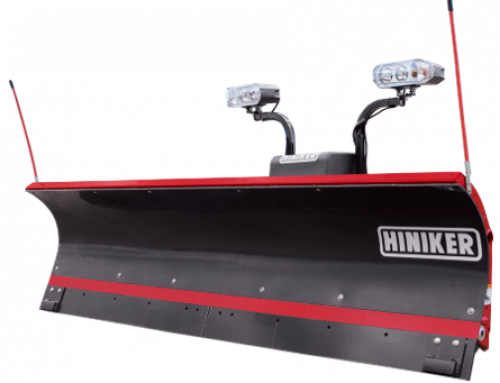
In this case, smooth motion and consistent response matter more than a single successful lift. Check lift and angle speed, cylinder travel, hose movement, unusual noise, and blade position more than once and under a realistic load. A short stop for inspection often reveals more than another fast pass through an easy section. For snow plow parts, that habit matters because a small compatibility or setup problem can repeat at every property.
Use the equipment long enough to cycle the warmed system repeatedly and watch from a safe location. The comparison may also include a snow plow dealer. Ask what changes when the temperature drops, the material gets wet, or the route becomes crowded. The common trap is calling one movement a complete operational test. A better standard is reliable response without binding or intermittent behavior. It keeps the purchase focused on visibility, control, material movement, truck limits, and operator confidence instead of a list of features.
Cutting edges tell a useful story
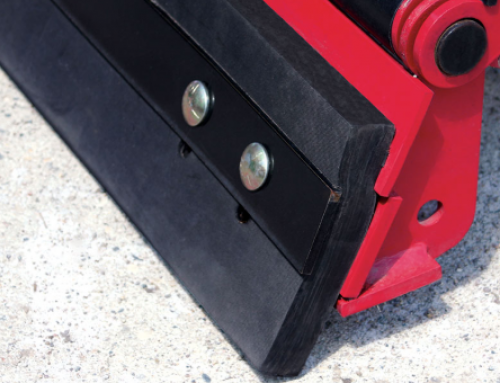
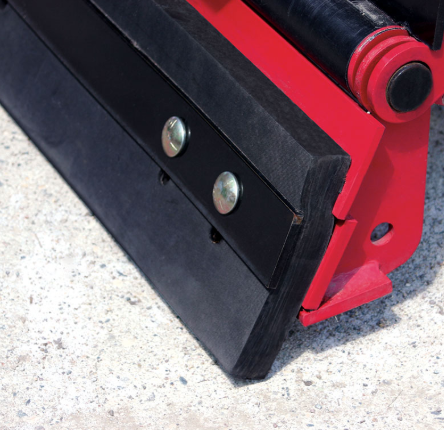
Storm conditions rarely stay uniform from dispatch to cleanup. When uneven wear can point to setup, surface, or mounting issues beyond the edge itself, the operator needs a setup that is understandable and quick to verify. Use edge thickness, bolt condition, side-to-side wear, and contact across the blade as the scorecard. Snow plow parts should respond predictably when one deliberate adjustment is made, and the work behind the machine should show why that change helped.
A practical routine is to measure the edge at several points and compare with replacement limits. Compare the role of snow plow dealers at the same moment, especially when it changes weight, clearance, flow, wiring, or the operator’s view. Avoid waiting until the moldboard or base angle is exposed. The better outcome is planned replacement before expensive components are damaged. Keep the first test controlled, then inspect again after the equipment has reached normal temperature and has worked under a representative load.
Electrical connections deserve hands-on attention
Operators often notice corrosion and loose grounds can create faults that appear only under load only after several stops have been completed. That is why battery condition, grounds, plugs, harness routing, pins, and protective covers should be part of the first-route inspection. Equipment can sound normal while output, alignment, or control is changing. Park safely, secure moving components, and compare more than one operating position before deciding that the setup is ready.
Plan to disconnect and inspect connections according to the service information. The role of a snow plow accessories dealer should be evaluated in the same sequence, with the vehicle stopped and the equipment disabled whenever inspection requires it. Do not fall into cleaning only the connector that failed last season. Aim instead for stable power for controls, valves, and lighting. This approach gives every driver a clear baseline rather than a truck full of unexplained adjustments and improvised fixes.
Keep the right spares, not every spare
Capacity is useful only when control and results hold up. Here, a few high-probability items can restore service faster than an unorganized shelf. Track fleet history, common wear items, fuses, approved fluid, and correct fasteners, then compare the result with the time saved or material used. Winter equipment earns its place by helping the operator maintain an acceptable result through normal changes without constant guesswork. If quality drops, change one setting or condition before adding another variable.
The best test is to build a labeled kit around the exact plow models in service. Apply the same standard when evaluating snowplow electronics rather than assuming its name guarantees a particular outcome. Be cautious about mixing unidentified electrical and hydraulic parts. What matters is faster repairs with fewer wrong-part delays. A documented comparison between two setups is more valuable than a long demonstration with no measurements and no shared definition of success.
Dealer support is part of readiness
Ownership gets easier when the buying conversation includes the practical issue that parts availability and model-specific advice matter most during a storm. Confirm serial numbers, manuals, service hours, stocked items, and warranty procedure and decide who will answer the first question during an overnight event. The final choice should make routine hookup, inspection, cleanout, and service understandable to the people who use it. That practical fit is part of performance, not an extra.
Before committing, record equipment details and confirm the support contact before winter. Ask how the available configuration affects the decision and what parts, tools, or training should be ready before the season. Avoid starting a parts search without the model or serial number; it can make a low purchase price expensive when accounts are waiting. Look for clearer communication when downtime is already costly. A good purchase leaves the operator with a repeatable starting setup, a safe inspection routine, and a clear source of model-specific support.
Frequently Asked Questions
How often should the plow be inspected in season?
Use the intervals in the operator’s manual and add a quick walkaround before each route. Inspect again after an impact, a leak, unusual motion, or any electrical fault.
Which snow plow parts should I carry in the truck?
Base the kit on the exact model and your service history. Common items may include approved pins, fasteners, fuses, bulbs or lighting components, and hydraulic supplies, but the manual and dealer should set the list.
Can I reuse worn mounting hardware?
Do not guess. Inspect fasteners and pins against the manufacturer’s requirements, replace damaged or out-of-spec pieces, and use the correct grade and torque.

Reach out to us online at Hiniker or contact us today by calling (800) 433-5620 to find out more about the premium snow removal products we offer. We have been a proud Minnesota-based manufacturer since 1995. We offer the highest quality salt & sand spreaders, snow plows, skid steers, truck plows, accessories, and more!
Our equipment at Hiniker is built to enable the operator to work as efficiently as possible. You can also follow us on Facebook for the latest news regarding Hiniker’s premium equipment and accessories.