A practical guide for snow professionals comparing route performance, equipment fit, and winter readiness.
Let the route define the blade
Open lots, narrow drives, loading docks, and rural lanes reward different shapes and widths. Winter equipment should be judged as a complete system, with the vehicle or carrier, operator, material, and route considered together. Record surface type, obstacles, stacking space, travel distance, and snowfall patterns. Those details turn a broad product search into a conversation about real work and make later setup choices easier to defend.
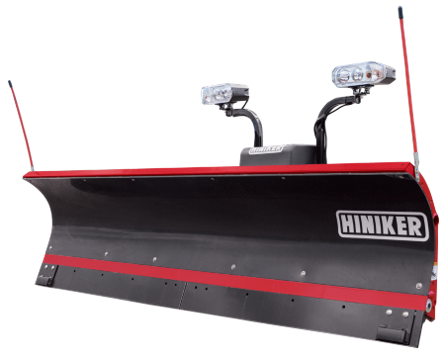
A good first move to start out with is list the three maneuvers that consume most of the route time. This is also where truck plow belong in the comparison, because a product label matters less than the result it can produce on a cold, busy route. Watch for buying the widest blade the truck appears able to carry; it can create downtime or poor control after the forecast has already arrived. The target is a design that handles the route’s repeated work. Write down the setting, load, surface, and weather together so a useful result can be repeated by the next operator.
The performance of snow plow blades and what it should prove in the field
In this case, a good blade must lift, angle, trip, and return without unstable handling. Check front axle loading, ballast, steering feel, ground contact, and hydraulic response more than once and under a realistic load. A short stop for inspection often reveals more than another fast pass through an easy section. For snow plow blades, that habit matters because a small compatibility or setup problem can repeat at every property.
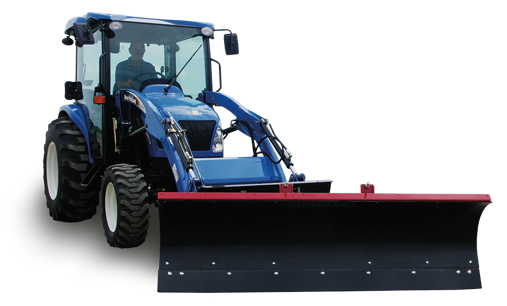
Use the equipment long enough to use the manufacturer’s application guide before arranging a demonstration. The comparison may also include a truck snow plow. Ask what changes when the temperature drops, the material gets wet, or the route becomes crowded. The common trap is treating physical attachment as proof of compatibility. A better standard is a plow and truck combination approved to work together. It keeps the purchase focused on visibility, control, material movement, truck limits, and operator confidence instead of a list of features.
Blade shape changes material movement
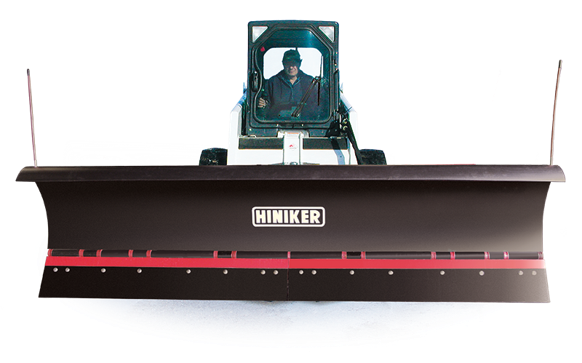
Storm conditions rarely stay uniform from dispatch to cleanup. When straight, V, and curved configurations collect, direct, and stack snow differently, the operator needs a setup that is understandable and quick to verify. Use windrowing distance, carry capacity, spilloff, backdragging, and maneuvering room as the scorecard. Snow plow blades should respond predictably when one deliberate adjustment is made, and the work behind the machine should show why that change helped.
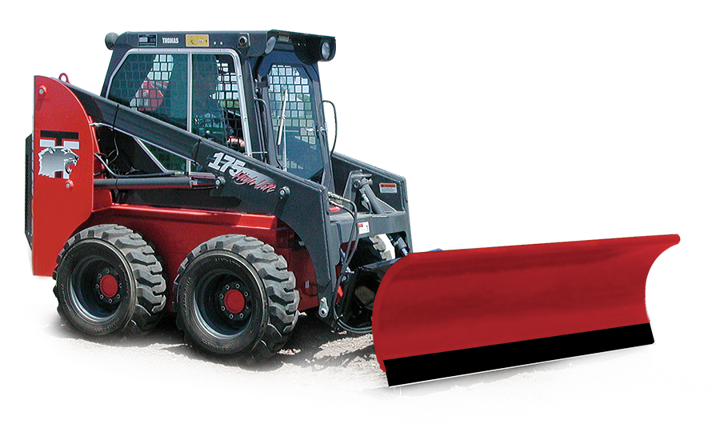
A practical routine is to compare designs against the tightest and most repetitive route sections. Compare the role of snow plows at the same moment, especially when it changes weight, clearance, flow, wiring, or the operator’s view. Avoid choosing a specialized shape for a task done rarely. The better outcome is fewer repositioning moves on normal accounts. Keep the first test controlled, then inspect again after the equipment has reached normal temperature and has worked under a representative load.
Trip design deserves attention
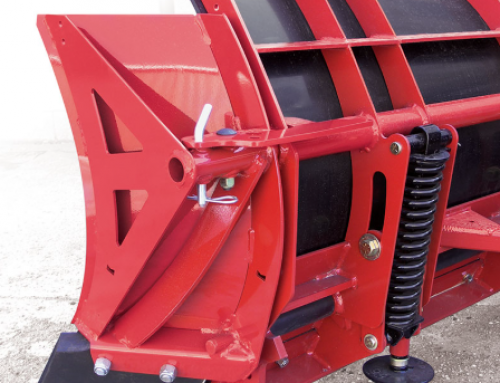
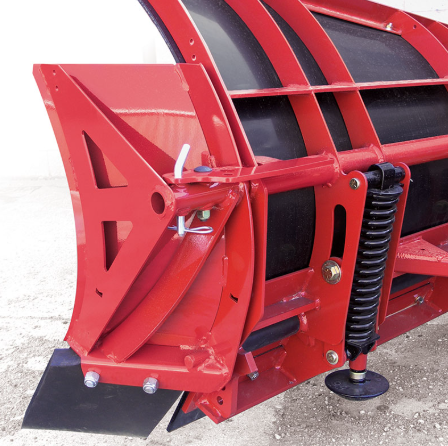
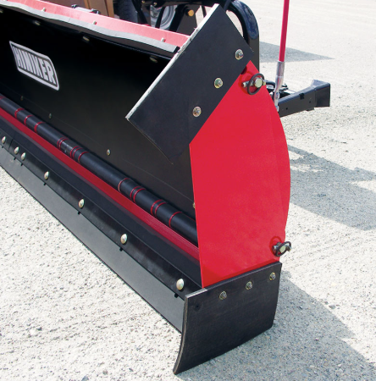
Operators often notice hidden curbs and raised pavement joints transfer shock through the plow and truck only after several stops have been completed. That is why trip-edge or full-trip action, spring condition, obstacle height, and reset behavior should be part of the first-route inspection. Equipment can sound normal while output, alignment, or control is changing. Park safely, secure moving components, and compare more than one operating position before deciding that the setup is ready.
Plan to ask for a clear demonstration of the system and inspection points. The role of a quick mount snow plow should be evaluated in the same sequence, with the vehicle stopped and the equipment disabled whenever inspection requires it. Do not fall into assuming every trip design reacts the same way. Aim instead for protection suited to typical surfaces and speeds. This approach gives every driver a clear baseline rather than a truck full of unexplained adjustments and improvised fixes.
Material affects ownership as well as weight
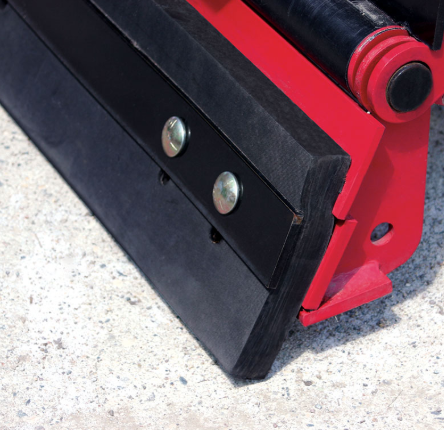
Capacity is useful only when control and results hold up. Here, steel, stainless, and polymer surfaces differ in wear, corrosion behavior, snow release, and repair approach. Track complete plow weight, cutting edge wear, finish care, and parts availability, then compare the result with the time saved or material used. Winter equipment earns its place by helping the operator maintain an acceptable result through normal changes without constant guesswork. If quality drops, change one setting or condition before adding another variable.
The best test is to compare the assembled plow rather than the moldboard skin alone. Apply the same standard when evaluating a v-plow rather than assuming its name guarantees a particular outcome. Be cautious about using material name as a shortcut for total durability. What matters is a blade the crew can maintain season after season. A documented comparison between two setups is more valuable than a long demonstration with no measurements and no shared definition of success.
Mounting time should stay predictable
Ownership gets easier when the buying conversation includes the practical issue that fast attachment matters only when alignment, electrical connection, and removal remain controlled. Confirm approach tolerance, latch visibility, connector access, stand position, and storage surface and decide who will answer the first question during an overnight event. The final choice should make routine hookup, inspection, cleanout, and service understandable to the people who use it. That practical fit is part of performance, not an extra.
Before committing, have the regular operator mount and remove the plow during evaluation. Ask how the available configuration affects the decision and what parts, tools, or training should be ready before the season. Avoid accepting a perfect showroom hookup as the daily result; it can make a low purchase price expensive when accounts are waiting. Look for repeatable changes in imperfect winter conditions. A good purchase leaves the operator with a repeatable starting setup, a safe inspection routine, and a clear source of model-specific support.
Frequently Asked Questions
Is a wider blade always faster?
No. Width can help coverage, but it also affects weight, maneuverability, transport, and the approved truck application. The fastest setup is the one that fits the route without slowing turns and tight work.
How long do snow plow blades last?
Service life depends on material, impact exposure, route surface, maintenance, and cutting-edge replacement. Frequent inspection matters more than a calendar estimate.
Should I choose steel or polymer?
Compare complete plow weight, snow release, corrosion care, repair needs, and the route. Both can be useful; the truck application and ownership plan should decide.

Reach out to us online at Hiniker or contact us today by calling (800) 433-5620 to find out more about the premium snow removal products we offer. We have been a proud Minnesota-based manufacturer since 1995. We offer the highest quality salt & sand spreaders, snow plows, skid steers, truck plows, accessories, and more!
Our equipment at Hiniker is built to enable the operator to work as efficiently as possible. You can also follow us on Facebook for the latest news regarding Hiniker’s premium equipment and accessories.