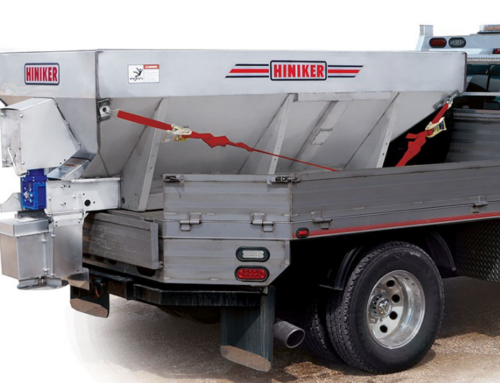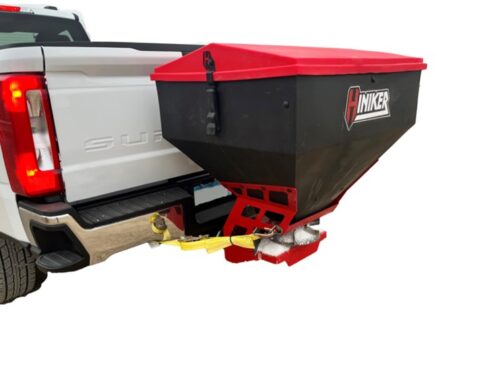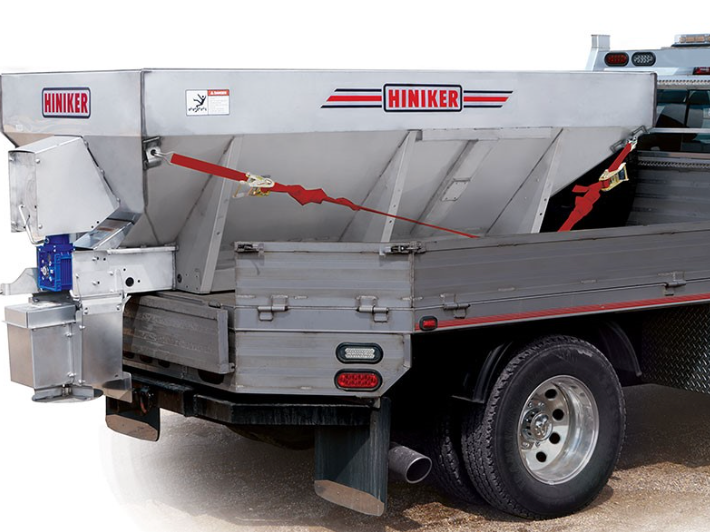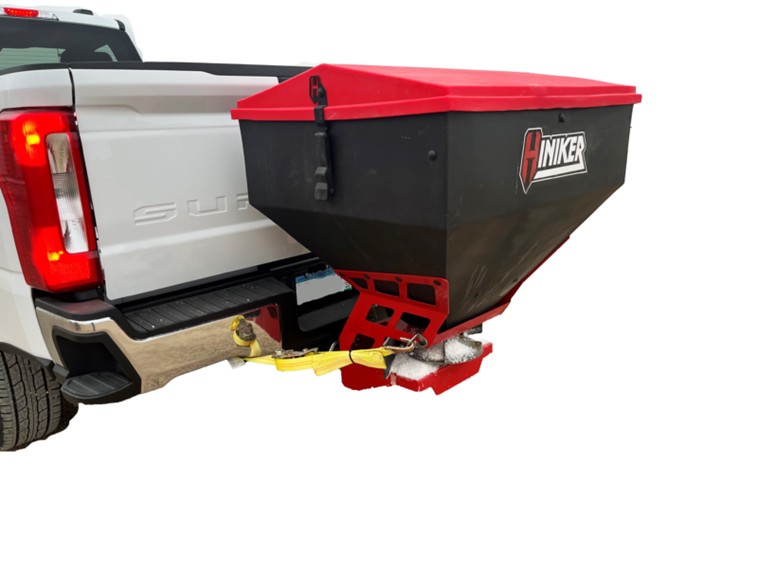
Winter doesn’t wait, and neither should your equipment. At Hiniker, we know how important it is to have gear that’s ready to go the moment snow and ice hit. That’s especially true for tailgate spreaders. These units play a major role in keeping roads, parking lots, and driveways safe. But like any tool, they need proper prep before the first snowflake falls.
If your spreader sits unused for part of the year, now’s the time to inspect, clean, and test it. A few simple steps can make the difference between a smooth or difficult winter.
Start with a Thorough Inspection
Before winter hits, we recommend inspecting your tailgate spreaders closely. Look for signs of wear, like cracks in the housing or loose wiring. Also be aware of corrosion on the frame. These can all cause issues when temperatures drop.
It’s also smart to check the power connections. Corroded terminals are a common cause of motor failure. We suggest cleaning the contact points. Also apply dielectric grease to keep moisture out.
Don’t overlook the controller or wiring harness. If your connections are frayed or weak, they’ll fail when you need them most. Test everything now while you still have time to make repairs.
Clean Out Any Leftover Material
Sometimes, spreaders get stored with leftover salt or sand inside. That’s a mistake. Moisture builds up. It then hardens the material. It then leads to clogged augers or frozen gates. Empty your tailgate spreaders and rinse out the hopper… if you haven’t already.
Use warm water and a mild detergent if needed. Let everything dry completely before reassembly. Pay close attention to any moving parts. Residue buildup is a recipe for jams and uneven spreading.
This step also gives you the chance to spot rust and worn seals. It’s much easier to deal with these issues before you’re working in the cold.
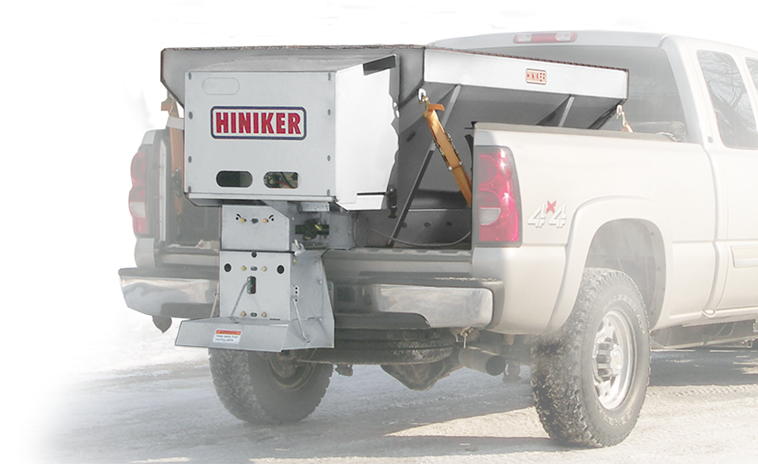
Lubricate Key Components
Cold weather puts stress on metal parts. Bearings, shafts, and gates need to stay lubricated to move freely. Use a weather-rated grease or lubricant to protect those moving parts.
Don’t overdo it. Too much grease can collect dust or freeze into thick clumps. A thin, even coat works best for cold-weather performance. Check your owner’s manual for the right products. At Hiniker, we design our tailgate sanders to handle tough conditions. Just remember… they still need upkeep.
Also, don’t forget the motor and gearbox. These components are critical to performance. A simple lube check now can save you hours of downtime later.
Double Check Your Mounting System
Before winter begins, we also encourage checking your mounting system. Whether you’re using a standard hitch or a receiver hitch spreader setup, everything needs to be secure.
Check the bolts, brackets, and frame connection. These parts take a lot of vibration on the road. If anything feels loose, tighten it or replace it. We’ve seen spreaders come off mid-route due to missed hardware or improper mounts. It’s avoidable and dangerous.
If you’re storing multiple tools, make sure your mounting system matches the spreader you’re using. Mixing setups can lead to damage or performance issues.
Run a Dry Test
Before loading your salt spreaders, run a dry test. Power up the unit and make sure the spinner, motor, and gate respond properly. Listen for any strange noises or delays.
You want everything to work without hesitation. If anything seems off, address it now. Testing with dry material or even empty lets you check the spread pattern, flow control, and motor function before you’re in a high-pressure snow event.
Many of our customers who use sand & salt spreaders also test the spread radius and pattern in an open area. That way, they’re confident the calibration is correct before spreading on pavement.
Keep Spare Parts on Hand
No matter how well you prep, things happen. Motors wear out. Wires break. Fasteners loosen. That’s why we always keep backup parts close. Especially during peak snow season.
Have a spare fuse, spinner, or controller cable on your truck or in your garage. We also recommend having a spare agitator. Particularly if you’re using tailgate sanders. If your agitator stalls, the entire system can clog.
At Hiniker, we design our spreaders to be easy to service in the field. Most of the common parts are quick to swap without specialty tools. Keeping a few key items nearby saves time and stress.
Match Materials to Conditions
Don’t forget to prep your material supply too. The type of material you use (whether it’s sand, salt, or a blend) affects how your equipment performs.
Cold or damp material can clump and clog the auger. Dry, treated salt works better with most modern tailgate spreaders. If you’re using bulk material, consider covering your supply or keeping it inside.
Some operators mix fine sand with treated salt to improve traction. This works well, but the mixture needs to stay consistent. Talk to your salter supplier about the best options for your local conditions.
Maintain Between Storms
Getting ready for winter is one thing. Staying ready takes a little effort throughout the season. After each use, clean your spreader. Rinse out the hopper, wipe down the housing, and re-lubricate if needed.
This routine adds years of life to your equipment. And if you’re running sand & salt spreaders back-to-back through multiple snow events, a quick rinse keeps buildup from freezing or uneven spreading.
Looking for premium snow removal equipment and tailgate spreaders? Contact our team at Hiniker today!

Hiniker has been a proud Minnesota-based manufacturer since 1995. We offer the highest quality salt & sand spreaders, snow plows, skid steers, truck plows, accessories, and more! Our equipment at Hiniker is built to enable the operator to work as efficiently as possible.
Contact us today by calling (800) 433-5620 to find out more about the premium snow removal products we offer. You can also follow us on Facebook for the latest news regarding Hiniker’s premium equipment and accessories.