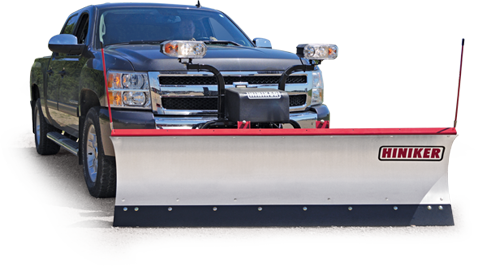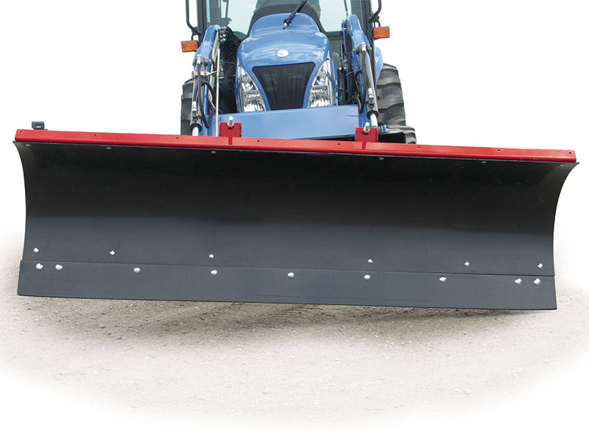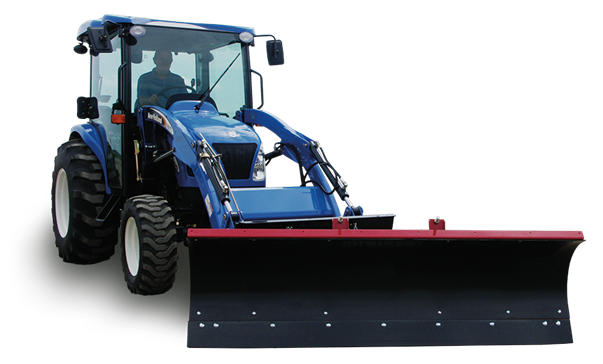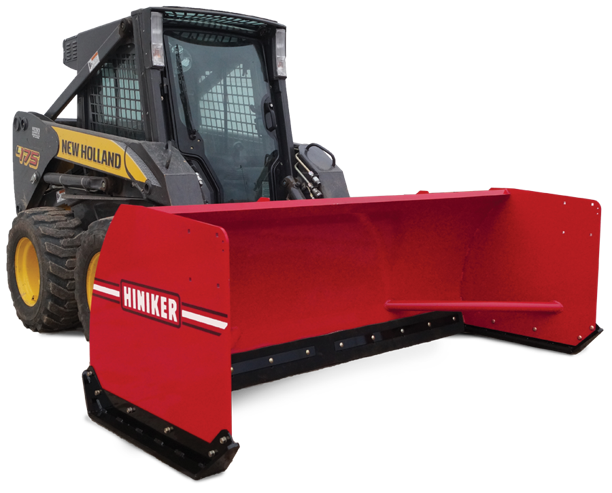
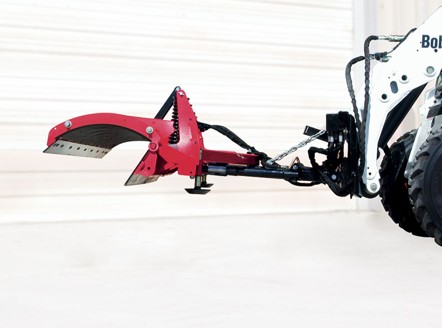
Snow plow parts are easy to ignore until something breaks in the middle of a storm. That is usually when everyone suddenly remembers how much the little pieces matter. A plow is not just a blade on a truck. It is wiring, hydraulics, pins, springs, cutting edges, lights, controls, mounts, and wear parts all working together in ugly weather.
The smart move is to check those parts before winter, not after the first storm warning. A short inspection in the fall can save a long night in January. It also gives you time to order what you need while parts are easier to get.
Start with the cutting edge
The cutting edge takes a beating. It scrapes pavement, catches uneven spots, and wears down every time the plow is used. If it gets too worn, scrape quality drops and the blade can take more abuse than it should.
Look for uneven wear, missing bolts, and edges that are close to the end of their life. If you run several properties, do not stretch a worn edge just to get one more storm out of it. That kind of savings can get expensive fast.
A snow plow accessories dealer can help match replacement parts to the equipment, which is better than guessing from a photo or old invoice.
Check the lights before you need them
Lighting matters because snow work happens in bad visibility. Dark lots, blowing snow, traffic, and parked vehicles all make the job harder. If a light is weak or out, the operator is already starting behind.
Inspect snowplow headlights before the season. Check brightness, aim, wiring, plugs, and any corrosion around connections. Do it with the plow mounted, not just sitting in the shop.
Lights are not glamorous, but they are safety equipment. Treat them that way.
Why snow plow parts fail at the worst time
Winter equipment fails under load. Cold weather makes wiring stiff. Moisture finds connections. Salt attacks metal. Vibration loosens things. A part that seemed fine in October may act very different after a few storms.
That is why inspection should be practical. Move the blade. Angle it. Raise and lower it. Watch for hesitation. Listen for strange sounds. Look under the truck. Check hoses, fittings, pins, springs, and mount points.
If something looks questionable, deal with it before the truck is needed.
Hydraulics deserve a close look
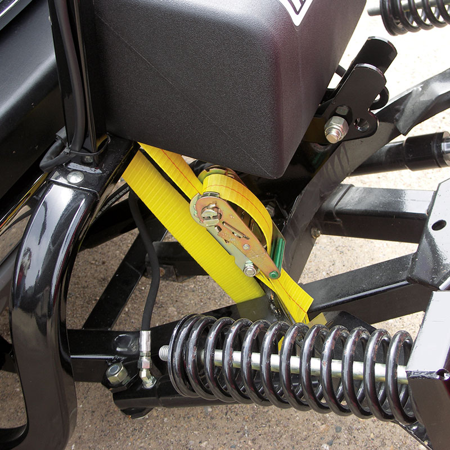
Hydraulic issues can slow a route down fast. Look for leaks around cylinders, hoses, fittings, and the pump area. Check fluid condition and level according to the equipment requirements. If the blade moves slowly or unevenly, do not ignore it.
A small leak in the shop can become a real problem in a storm. Cold weather and heavy snow do not make weak parts stronger.
The same goes for controls. If the response feels inconsistent, trace the issue. It may be electrical, hydraulic, or mechanical, but guessing during a storm is not a great plan.
Blade style affects what wears
Different plows wear in different ways. A C-Plow may have parts and functions that need attention beyond a basic straight blade. A back drag plow may put extra focus on scraping performance near doors, docks, and tight edges.
Even standard snow plows need a season-specific inspection. Do not assume last year’s setup is ready just because it worked when you parked it.
The more your route depends on the plow, the more seriously you should treat preseason checks.
Keep common parts on hand
You do not need to stock a full repair shop, but a few common parts can save a route. Extra hardware, cutting edge bolts, electrical connectors, hydraulic fluid, and other wear items may help you fix small problems quickly.
Ask your dealer what fails most often on your specific setup. That answer is more useful than a generic list. The goal is not to buy everything. It is to avoid being stuck over a small part everyone knew would wear out eventually.
Good storage helps too. Keep parts where they can be found quickly. A replacement part buried under summer equipment is not much help at midnight.
Make snow plow parts part of the routine
The best inspection is not dramatic. It is just regular. Before the season, after hard storms, and any time the plow feels off, take a few minutes and look things over.
That habit keeps small issues from turning into lost hours. It also gives the operator more confidence. A truck that has been checked feels different from one that everyone just hopes will make it through.
Winter is hard enough. Your equipment should not be the surprise.
FAQs
When should I inspect plow parts?
Before the season, after heavy storms, and anytime the plow feels slow, loose, noisy, or inconsistent.
Which snow plow parts wear out fastest?
Cutting edges, hardware, hydraulic hoses, electrical connections, and moving points usually deserve the most attention.
Should I keep spare parts in the truck?
For common wear items, yes. A small kit can save a lot of time when something minor goes wrong during a route.

Reach out to us online at Hiniker or contact us today by calling (800) 433-5620 to find out more about the premium snow removal products we offer.
We have been a proud Minnesota-based manufacturer since 1995. We offer the highest quality salt & sand spreaders, snow plows, skid steers, truck plows, accessories, and more!
Our equipment at Hiniker is built to enable the operator to work as efficiently as possible. You can also follow us on Facebook for the latest news regarding Hiniker’s premium equipment and accessories.