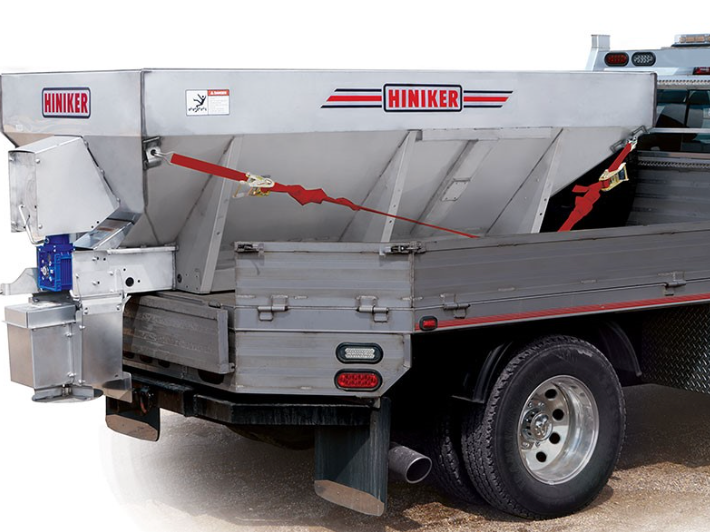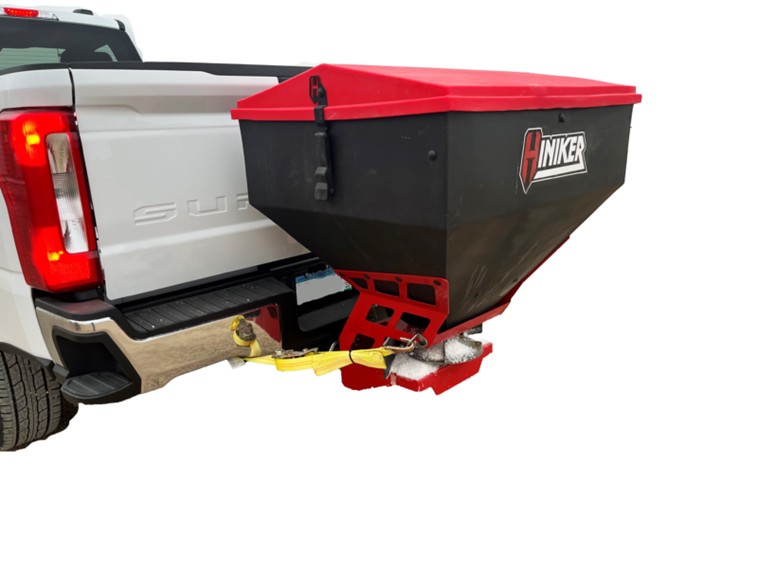
We know the value of being prepared. When winter hits, downtime isn’t an option. That’s why we always stress the importance of keeping your salt spreaders in peak condition. Especially before the first storm rolls in.
At Hiniker, we design our equipment with efficiency and durability in mind. But even the toughest gear needs routine attention. A simple pre-season check can prevent major issues down the road.
Why Salt Spreader Maintenance Matters
You’ll be working against ice and snow. So, everything must work the moment you flip the switch. Malfunctions slow you down, cost money, and put contracts at risk. Our salt spreaders are built for hard use. Proper spreader maintenance helps them stay reliable in the harshest weather.
It’s not just about avoiding breakdowns. Well-maintained salt & sand spreaders perform more evenly, distribute material more efficiently, and waste less product. That keeps operating costs low. And overall, the results are better.
We encourage every operator to run through a detailed maintenance routine before winter begins. It’s time well spent. It also gives you peace of mind once the storms arrive.
Start with a Thorough Visual Inspection
Before you test components or run the engine, look everything over. Be aware of rust and cracks. Check for loose wires and worn connectors. These can all be signs of future trouble. Even if your spreader ran fine last season, weather and storage conditions could have caused damage while it was off duty.
We always recommend checking the motor housing, spinner plates, and drive components closely. Look for buildup or corrosion. Especially around the gear housing and material gate. Don’t delay if you spot anything questionable. Get it addressed before loading up material.
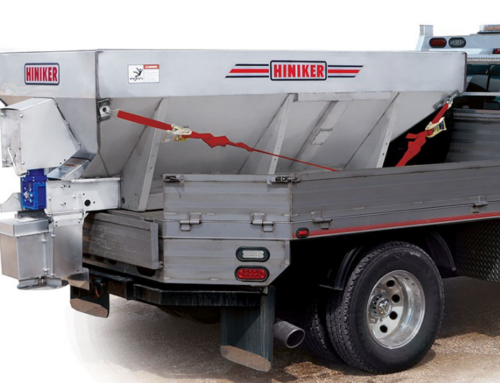
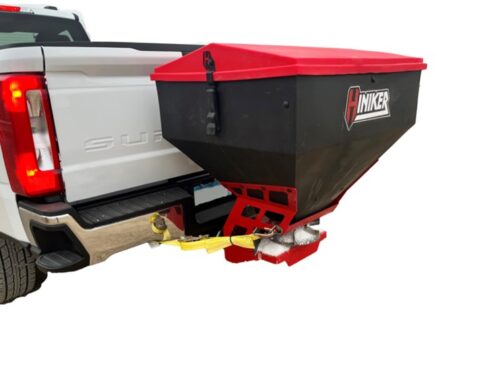
If you’re running tailgate spreaders, make sure your mounting hardware and brackets are secure. Vibration during use can work parts loose over time.
Clean Out Old Material
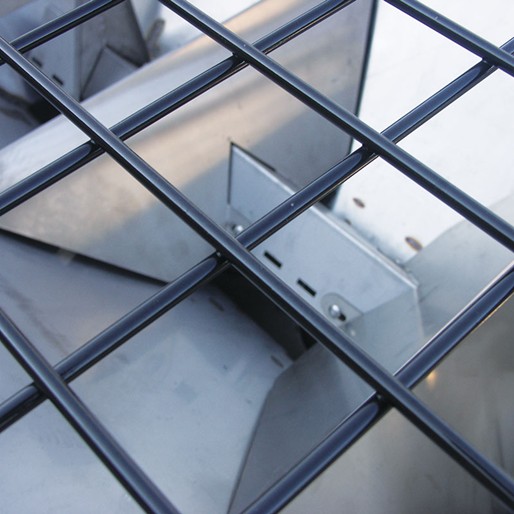
Leftover salt or sand from last season can harden. This can clog key components. And it might not be obvious until it blocks flow. Or worse, it might burn out your motor. That’s why we always stress cleaning the hopper and auger system completely before first use.
Flush out any material clumps, especially if you’re using salt & sand spreaders or switching between materials. Moisture and salt together create buildup that can ruin internal components.
This is also the time to check your spinner and flow gate. They should move freely without resistance. If you’re running a tailgate sander, you’ll want to confirm that the gate opens and closes fully.
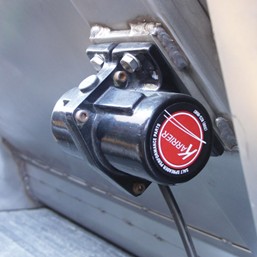
Lubricate and Test Moving Parts
Salt is harsh on moving components. Grease points and bearings need to be properly lubricated. Especially if they are going to handle long hours of use. Be aware if anything feels stiff or resists movement. Take care of these issues before they become a serious problem.
Run the unit briefly and confirm that all motors, augers, and spinners are operating at full speed. A small lag now can mean bigger issues when you’re under pressure.
A compact sand spreader can seize up if it hasn’t been checked ahead of time. Trust our Hiniker experts. It’s worth a five-minute test run.
Don’t Ignore the Controls
Here are some important things to do before the season begins. Power up the full system. Then confirm everything works. Push every button. Turn every knob and dial. Confirm everything responds as expected. Your spreader may have variable speed controls or pre-wet features. If so, take time to test them thoroughly.
Are you using more than one spreader? Like a mix of tailgate spreaders and larger hopper units? If this is the case, label each control box clearly and check compatibility. Incorrect wiring can cause problems. So can software issues. These items often cause serious delays. Something you don’t need when you’re out in the field.
We’ve seen cases where the spreader worked but there were other issues. The driver couldn’t adjust flow or start the spinner due to a faulty connector. Don’t wait until you’re out on the job to find out something’s off.
Get the Right Parts Early
Here’s another important tip. Stock a few key replacement parts. Make sure you have extra fuses and spinners. You also may want additional motors and wiring harnesses. These items are easy to keep on hand. They may even save you a sleepless night in the shop.
Our goal is to help you stay ahead of issues. If you’re unsure what to keep as backup for your specific salt spreaders, we’re happy to guide you.
Every truck, every spreader, and every route is different. You could be running a tailgate sander or a full-sized receiver hitch spreader. No matter the equipment, Hiniker is here to help you plan ahead.
Conclusion
Your salt spreaders are the backbone of your snow-fighting operation. They need to work the moment you call on them. With a little prep now, you can avoid delays. You can steer clear of breakdowns. And you can dodge those expensive repairs during the season.
At Hiniker, we design snow and ice equipment that performs under pressure. From tailgate spreaders to sand spreaders, we back every product with real-world support and expert advice.
Are you looking for premium snow removal equipment and accessories? Contact our team at Hiniker today!

Hiniker has been a proud Minnesota-based manufacturer since 1995. We offer the highest quality salt & sand spreaders, snow plows, skid steers, truck plows, accessories, and more! Our equipment at Hiniker is built to enable the operator to work as efficiently as possible.
Contact us today by calling (800) 433-5620 to find out more about the premium snow removal products we offer. You can also follow us on Facebook for the latest news regarding Hiniker’s premium equipment and accessories.