When a winter storm really gets going, your equipment becomes your lifeline to an easy job, or a long, hard night. At Hiniker, we know that having the right equipment for the work you do is crucial. But one of the most important choices you can make before a winter season starts is which snow plow blades to use.
The Role of the Blade
The blade is the heart of your plow. It’s what determines how well snow is moved, how evenly the surface is cleared, and how much wear and tear your plow experiences over time. Our snow plow blades are built to tackle everything from residential light duty work to heavy commercial use. But not all snow plow blades are the same, nor are they appropriate for every application.
The type of conditions you’re working with can offer a few clues about whether your current snow plow blades are right for the job. Wet, heavy snow is a lot more taxing on equipment than dry, powdery snow. Bumpy or uneven surfaces need a more forgiving edge than smooth pavement. And certain materials can be hard on a snow plow blade’s cutting edge.
Different Materials for Snow Plow Blades
Not all blades are created equal. The material of your snow plow blades comes with its own set of advantages and compromises. Steel is one of the most common options for blades because of its high durability and cutting strength. Our steel snow plows use reinforced designs that stand up to the toughest work with minimal flex and maximum scraping power. Steel edges are great for breaking through packed snow and ice, but they can be tough on softer surfaces like decorative concrete or brick driveways.
Rubber and polyurethane edges are a better choice for surfaces that need a gentler approach. These materials flex slightly and make less noise on pavement as they clear snow. But they also tend to wear faster in heavy-duty applications. Knowing the conditions you work with can help you choose whether a heavy-duty steel blade or a more flexible option will work better.
Compatibility and Fit
Not every blade is compatible with every plow. It’s important to make sure that the blade you choose is the right fit for your equipment. An oversized or overly heavy blade can strain your hydraulic system and mounting points. When working with snow plow dealers you trust, you can be sure you’re using the correct blade for your specific model and application.
At Hiniker, we design our equipment to work together in the best possible way. From the mounting system to the cutting edge, every component is engineered for maximum efficiency and minimal downtime. If you’re not sure whether your current setup is the best fit, we can help you find the perfect blade for your plow and your workload.

Special Applications and Configurations
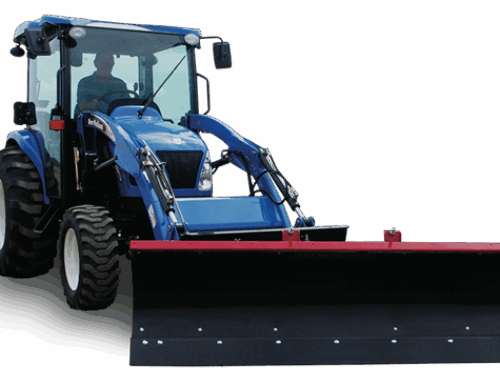
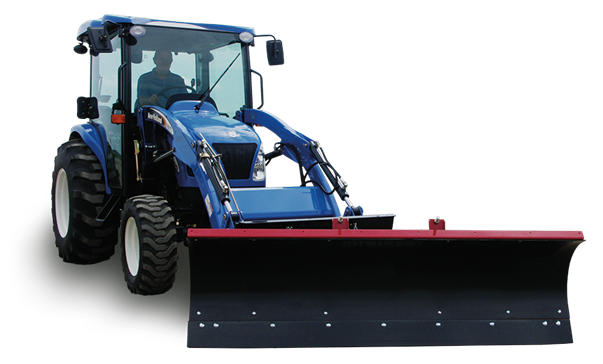
For those who work with unique snow and ice control challenges like long drives, large lots, and open roads, different types of plows can help improve your results. For example, pull behind snow plows offer a distinct advantage when clearing large areas in a short amount of time. They can help eliminate overlap while reducing missed spots when used in tandem with front-mounted plows.
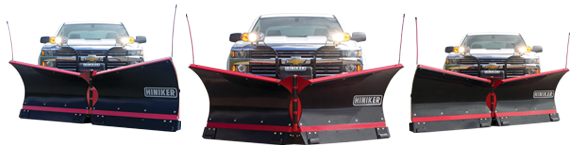
The shape of the blade also makes a difference. Straight blades are classic and versatile, while V-shaped and scoop designs can conquer deeper drifts or heavier accumulation with more control. The Hiniker C-Plow, for example, is a best-of-both-worlds solution that lets operators easily switch between a straight blade and a scoop configuration in seconds for maximum flexibility.
Snow Plow Blade Maintenance and Care
Even the most durable snow plow blades need a little love to keep them at their best. After each use, make sure to keep your plow clean so corrosion and buildup don’t have a chance to start. Check all mounting hardware and pivot points for tightness and security before each use. Using genuine snow plow parts designed for your specific model means a secure fit and optimal performance.
Maintenance also includes checking the cutting edge periodically throughout the season. Replacing edges before they’re fully worn helps you maintain efficiency and prevents damage to the base of the plow. At Hiniker, we make it easy to replace and service key components quickly so you can be back to work faster.
Operator Technique Can Help (or Hurt) the Blade
The issue may not be the blade, but instead how you’re using it. Angle, downforce, and speed all play a role in how well snow is cleared from the surface. Too much downforce can cause premature wear, while too little means you’re leaving a thin layer of snow behind. Adjusting the plow’s angle to suit the type of snow and terrain you’re working with can help get the best results without straining the equipment.
Our snow plows are engineered for intuitive operation so you have precise control and consistent performance under any conditions. Used in conjunction with the right snow plow blade, the results speak for themselves: cleaner surfaces, smoother operation, and less stress on your vehicle.
Conclusion
If you’re questioning whether your current setup is still the right fit, take the time to inspect your blade type, condition, and compatibility. Small changes in material or design can make a major difference in how effectively you clear snow. When your snow plow blades are matched to your conditions, you’ll see better results, lower wear, and smoother operation all season long.
Are you looking for premium snow removal equipment and accessories? Contact our team at Hiniker today!

Hiniker has been a proud Minnesota-based manufacturer since 1995. We offer the highest quality salt & sand spreaders, snow plows, skid steers, truck plows, accessories, and more! Our equipment at Hiniker is built to enable the operator to work as efficiently as possible.
Contact us today by calling (800) 433-5620 to find out more about the premium snow removal products we offer. You can also follow us on Facebook for the latest news regarding Hiniker’s premium equipment and accessories.