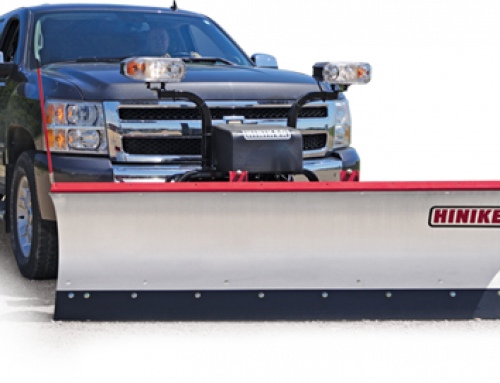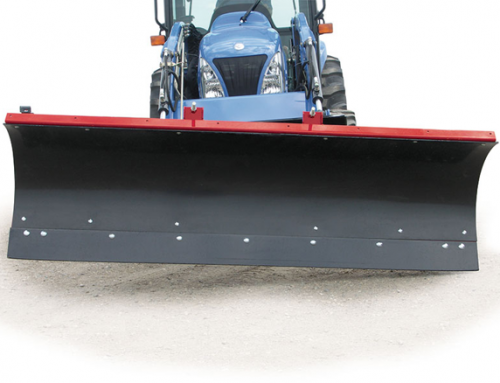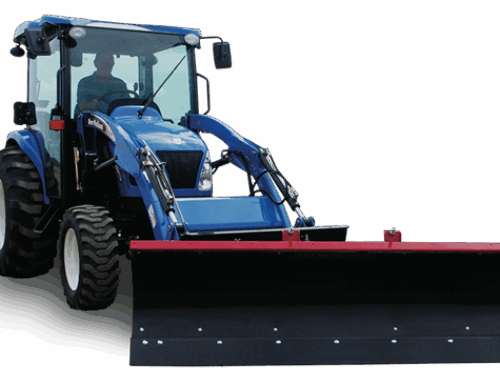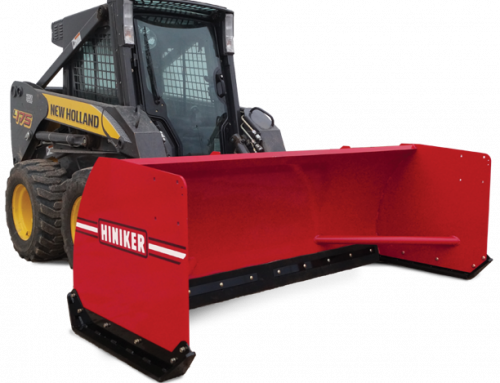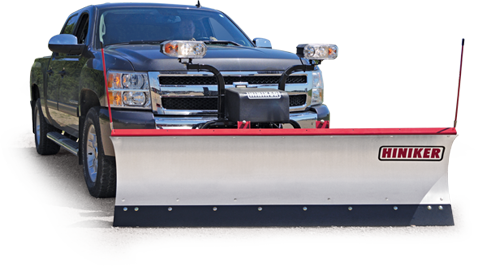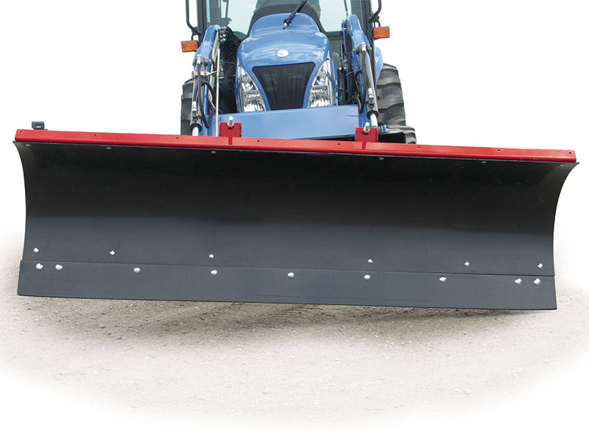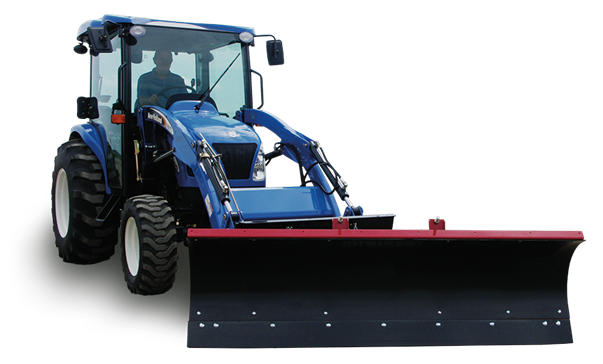
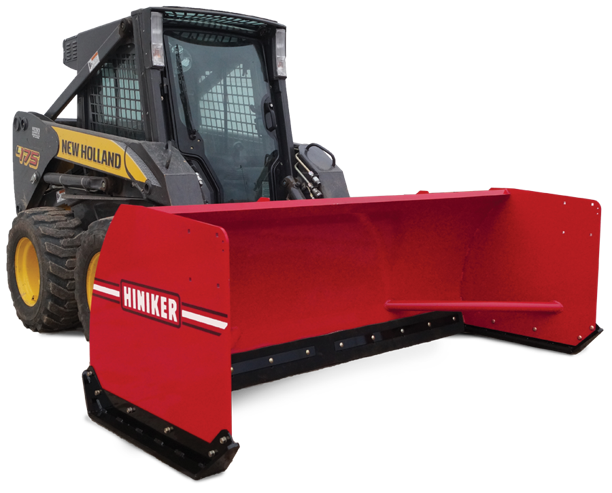
Snow pusher equipment makes sense when the job is less about long windrows and more about moving a lot of snow across open pavement. You see that kind of work in parking lots, commercial yards, farm sites, loading areas, and municipal spaces where speed and volume matter.
A regular plow is still useful. Nobody is saying otherwise. But when snow keeps piling up and the goal is to carry more of it in each pass, a pusher can change the rhythm of the job. It keeps snow contained better and helps the operator move bulk snow without spilling as much off the sides.
Start with the property layout
A pusher is at its best when there is room to work. Open lots, long runs, wide aprons, and storage areas are a good match. Tight driveways and chopped-up properties may not be.
Before buying, think about where the snow goes. Can you push it straight to a stacking area? Are there islands, curbs, drains, parked cars, or light poles in the way? Does the property drift in one corner every storm?
A back drag plow might be better for pulling snow away from garage doors, loading docks, or tight spaces. Different tools solve different problems.
Why a snow pusher changes the pace
The main advantage is containment. A straight blade can roll snow off the ends, especially on longer pushes. A pusher holds more snow in front of the machine, which can reduce cleanup passes.
That matters on big lots. Fewer passes can mean less time, less fuel, and a cleaner finished result. It can also reduce operator fatigue because the work feels more predictable.
Still, the machine matters. A pusher that is too large can overload the equipment or make steering difficult. A pusher that is too small may not save enough time to be worth the switch.
Match it to the machine
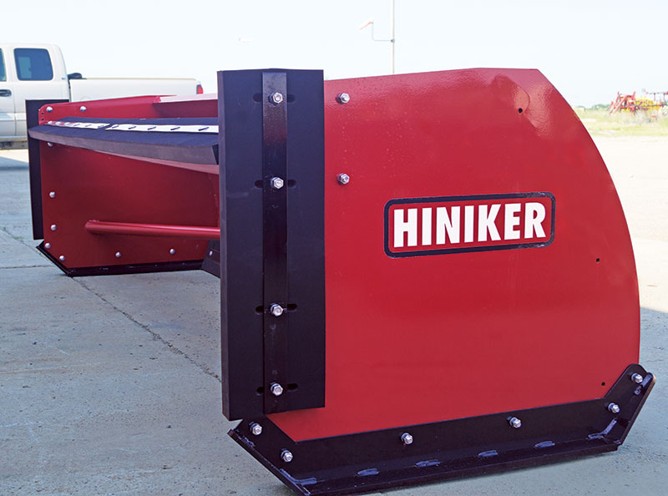
Pushers are used with different equipment, and the match matters. Skid steers, loaders, tractors, and trucks all have limits. Weight, traction, horsepower, hydraulic capacity, and visibility can all affect performance.
Mounted snow pushers should feel like they belong on the equipment. If the operator is fighting the machine, the setup is wrong or the property is not a good fit.
Do not buy only for the biggest storm. Buy for the work you do most often. A setup that handles everyday storms well will usually earn its keep faster than one that only makes sense a few times a year.
Think about stacking and cleanup
Moving snow is one part of the job. Placing it is another. A pusher can carry snow efficiently, but the site still needs a logical place to put it. If the property has poor stacking areas, you may end up handling the same snow more than once.
That is where route planning matters. Start with the final pile location and work backward. The cleanest snow jobs usually have a plan before the first pass.
Pull behind snow plows can also be useful in certain settings, especially where pulling snow away from buildings or tight edges is part of the job. Again, it comes back to the property.
Visibility and lighting are not small details
Snow work often happens in the dark. That makes visibility a real part of equipment choice. Operators need to see edges, piles, pedestrians, parked vehicles, and obstacles that disappear under fresh snow.
Blaze bar lights can help make the vehicle or machine more visible on busy sites. That is especially important around commercial properties where other people may still be moving around.
Controls matter too. Snowplow electronics should be reliable and easy to use because cold weather has a way of making small electrical problems feel much larger.
When snow pusher equipment is worth it
A pusher is worth considering when you have open pavement, repeat routes, decent stacking areas, and enough machine to handle the load. It is not the perfect tool for every snow job, but in the right setting it can be very efficient.
The best time to decide is before the season, when you can think clearly about the work instead of reacting to the next forecast. Look at the lots you clear most often. If you are making too many passes and losing too much snow off the blade, a pusher may solve a real problem.
Buy for the route, not the idea
It is easy to like the idea of moving more snow faster. The better question is whether your route lets that happen. If the layout is open, the machine is matched well, and the operator has room to work, the answer may be yes.
A snow pusher should make the job feel smoother. It should not create a new set of problems. When it fits, it can turn big-lot snow removal into a cleaner, more controlled process.
FAQs
Is a snow pusher good for small driveways?
Usually not. It is better for open spaces where the operator can push snow straight to a pile.
Can a pusher replace a plow?
Sometimes, but many crews use both. A plow may be better for detail work, while a pusher handles bulk snow.
What matters most when choosing?
Property layout, machine size, stacking space, and the kind of storms you normally handle.

Reach out to us online at Hiniker or contact us today by calling (800) 433-5620 to find out more about the premium snow removal products we offer.
We have been a proud Minnesota-based manufacturer since 1995. We offer the highest quality salt & sand spreaders, snow plows, skid steers, truck plows, accessories, and more!
Our equipment at Hiniker is built to enable the operator to work as efficiently as possible. You can also follow us on Facebook for the latest news regarding Hiniker’s premium equipment and accessories.